ISLAMABAD, Pakistan — The government of Pakistan has launched a major health reform initiative to protect more than 93,600 children suffering from childhood tuberculosis across the country.
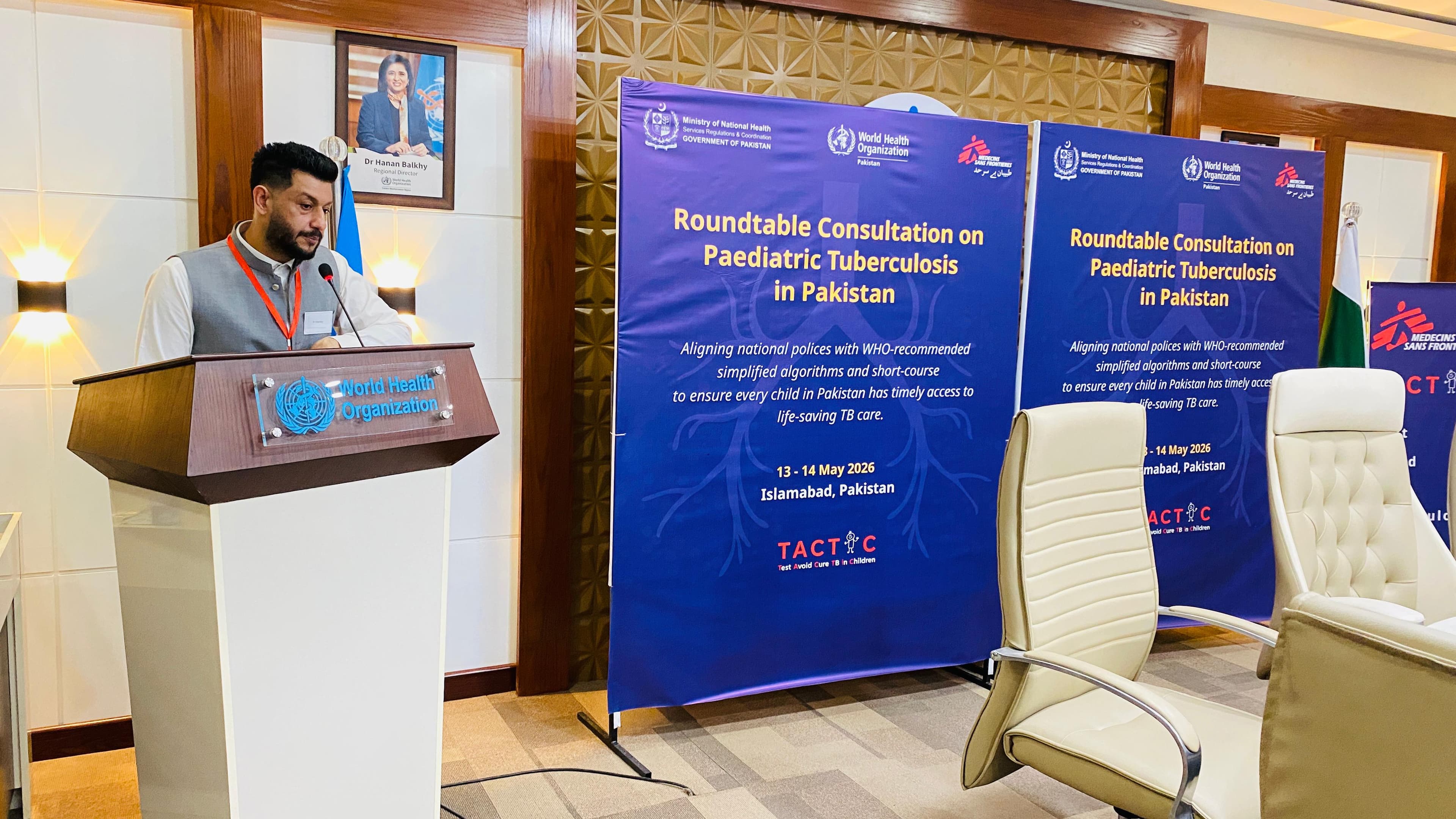
The Common Management Unit (CMU) for AIDS, Tuberculosis, and Malaria at Pakistan’s Ministry of National Health Services, Regulation and Coordination partnered with the World Health Organization (WHO) and Médecins Sans Frontières (MSF) to lead a critical national health consultation.
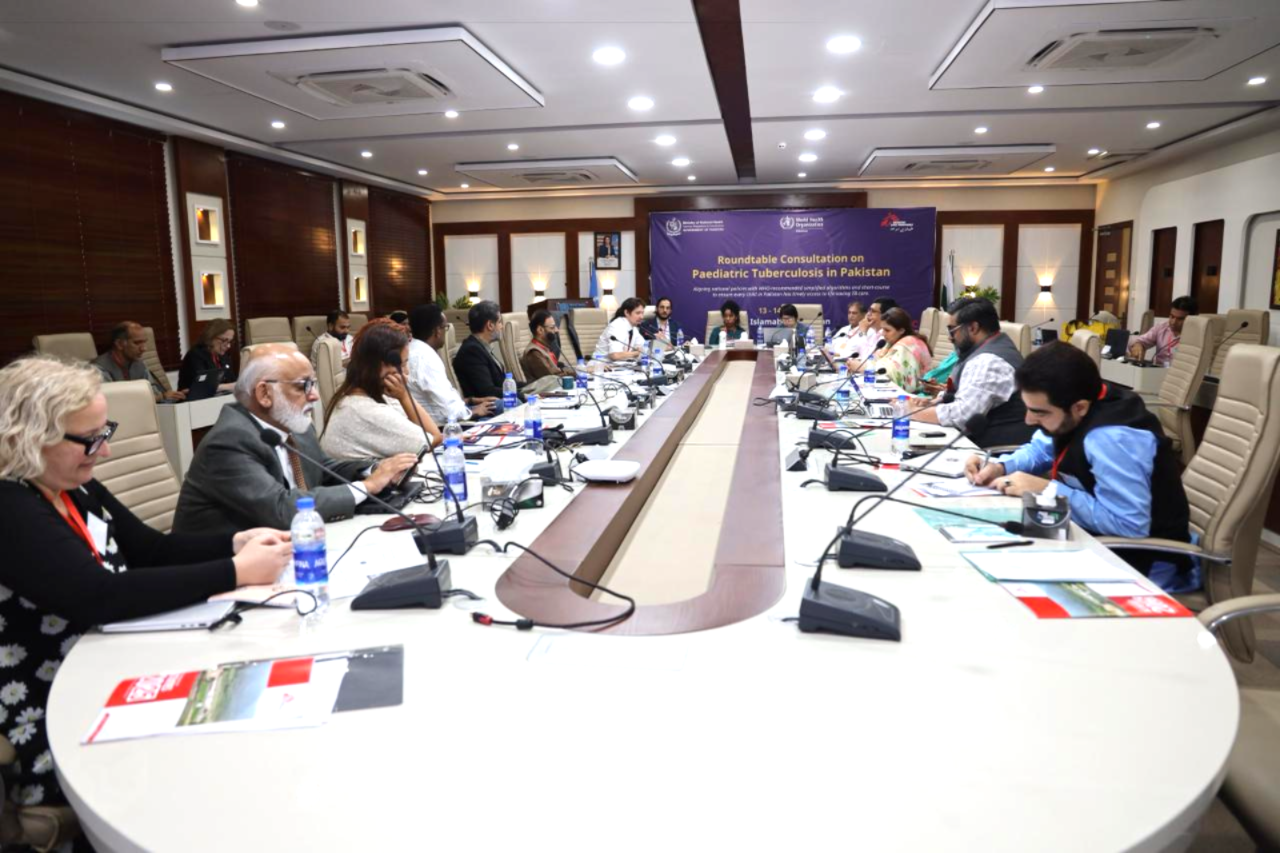
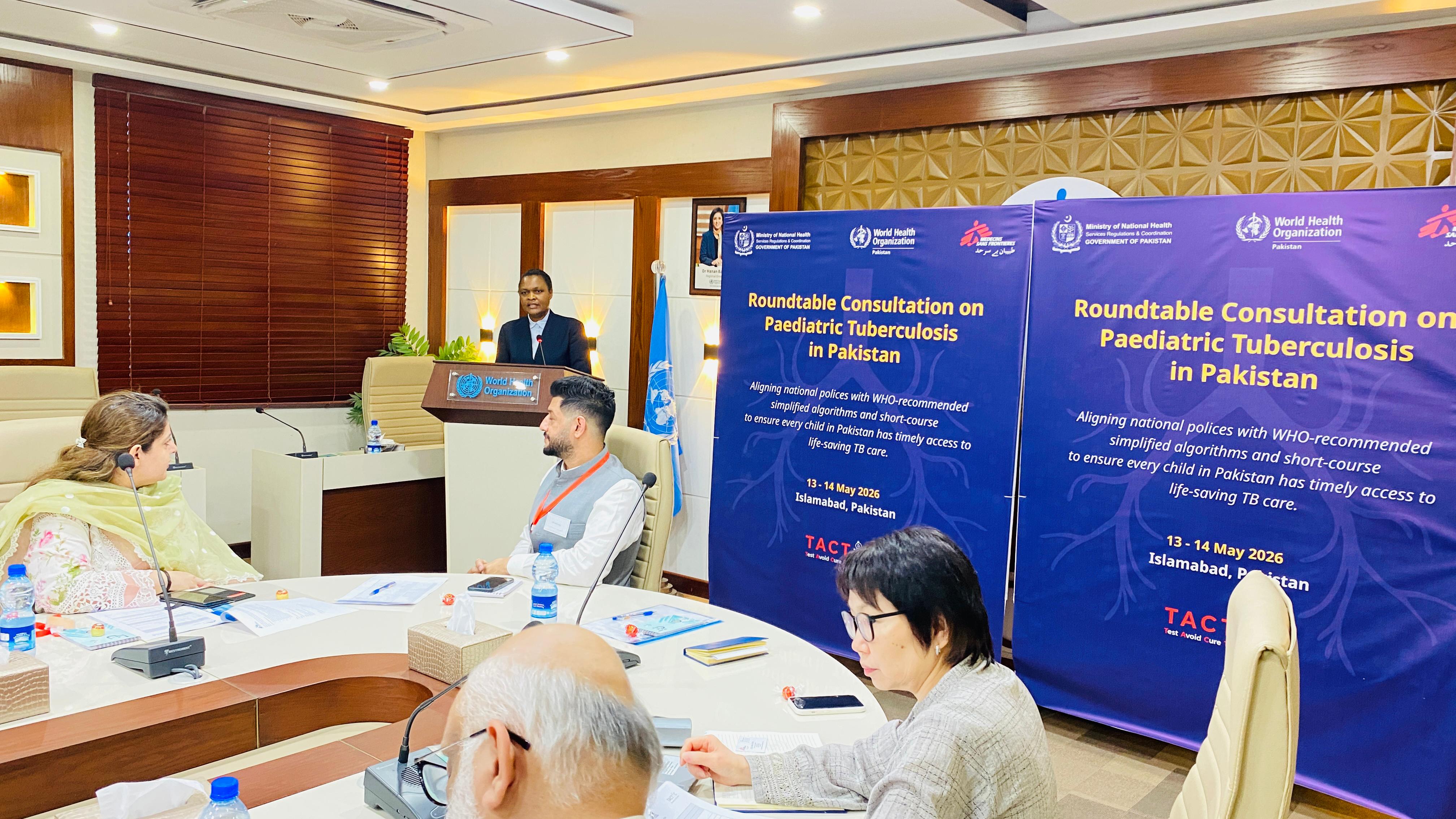
Held at the WHO Country Office in Islamabad, the two-day round-table focused on immediately upgrading local medical frameworks to meet the latest international health standards.
Restructuring the Fight Against Childhood Tuberculosis
Pakistan is facing an escalating public health crisis, currently ranking as the fifth most tuberculosis-affected country globally. The nation shoulders a staggering 73% of the total TB burden within the Eastern Mediterranean Region.
authorities estimate that there are 669,000 registered TB cases across the country. Alarmingly, children account for at least 14% of these cases, making pediatric medical interventions an absolute priority for national health agencies.
"To tackle an infection that is entirely curable and preventable, our national policies must evolve alongside modern science," the CMU leadership stated during the opening ministerial briefing.
Key Medical Interventions Appointed under New Guidelines
The policy alignment framework integrates crucial lessons learned from MSF’s specialized TACTiC initiative (Test, Avoid, Cure TB in Children). The collaborative panel, which included the Pakistan Paediatric Association, finalized several key health updates to decentralize pediatric care.
The newly adopted medical protocols focus heavily on reducing treatment times and simplifying diagnostic pathways for young patients:
Shorter Treatment Cycles: Implementation of a compressed 4-month pediatric TB treatment regimen.
Preventive Care Expansion: Scale-up of aggressive TB preventive treatment models for high-risk families.
Drug-Resistant Protocols: Introduction of all-oral 6-to-9-month regimens to combat drug-resistant strains without painful injections.
Decentralized Care Models: Deploying family-centered treatment-decision algorithms directly to regional, rural health centers.
By integrating these science-based metrics into local healthcare systems, Pakistan aims to aggressively close the diagnostic gap and guarantee that life-saving therapeutic interventions reach the country's most vulnerable youth.











回复 (0)