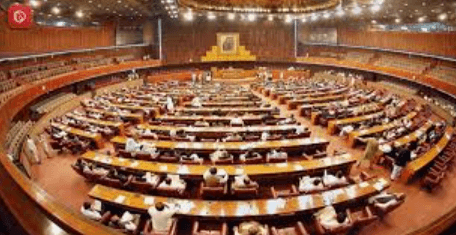
ISLAMABAD — The Ministry of Foreign Affairs (MoFA) officially inaugurated the Regional Envoys’ Conference today, welcoming Pakistan’s Ambassadors stationed across the GCC and the wider region. Running from May 14–18, 2026, the conference aims to align Pakistan’s diplomatic missions with evolving global dynamics and reinforce the nation's commitment to proactive diplomacy and
regional stability.
During the opening session, leadership emphasized that Pakistan remains dedicated to fostering stronger strategic partnerships and enhanced economic cooperation with brotherly countries. The conference serves as a critical platform for envoys to synchronize their efforts in promoting Pakistan’s sovereign interests amid a rapidly shifting geopolitical landscape.
Focus on Economic Cooperation and Strategic Partnerships
The Ministry stressed that the primary objective of this five-day summit is to move beyond traditional diplomacy toward result-oriented economic engagement. Envoys have been directed to develop practical, actionable recommendations to elevate Pakistan’s financial and trade priorities within the Gulf and neighboring regions.
Key pillars of the 2026 conference include:
Economic Diplomacy: Expanding trade volumes and investment opportunities with GCC partners.
Regional Peace: Strengthening Pakistan’s role as a constructive partner for peace and connectivity.
Shared Prosperity: Aligning regional goals to ensure mutual growth and infrastructure development.
Envoys Directed to Deliver Practical Recommendations
Leadership at MoFA underscored the importance of focused deliberations, urging the attending ambassadors to present innovative strategies that address modern diplomatic challenges. The Ministry of Foreign Affairs remains at the forefront of this push, working to ensure Pakistan’s role as a vital hub for regional connectivity is recognized globally.
As the conference continues through May 18, the resulting recommendations are expected to form the backbone of Pakistan’s foreign policy strategy for the remainder of 2026, specifically regarding energy security and labor market stabilization within the Middle East.



回复 (0)