An international Education Cooperation Agreement has been officially signed with the Qingdao Hengxing University of Science and Technology, marking a significant step forward in deepening global academic collaboration. The agreement establishes a comprehensive framework designed to strengthen international partnerships and enhance linkages within the higher education sector.
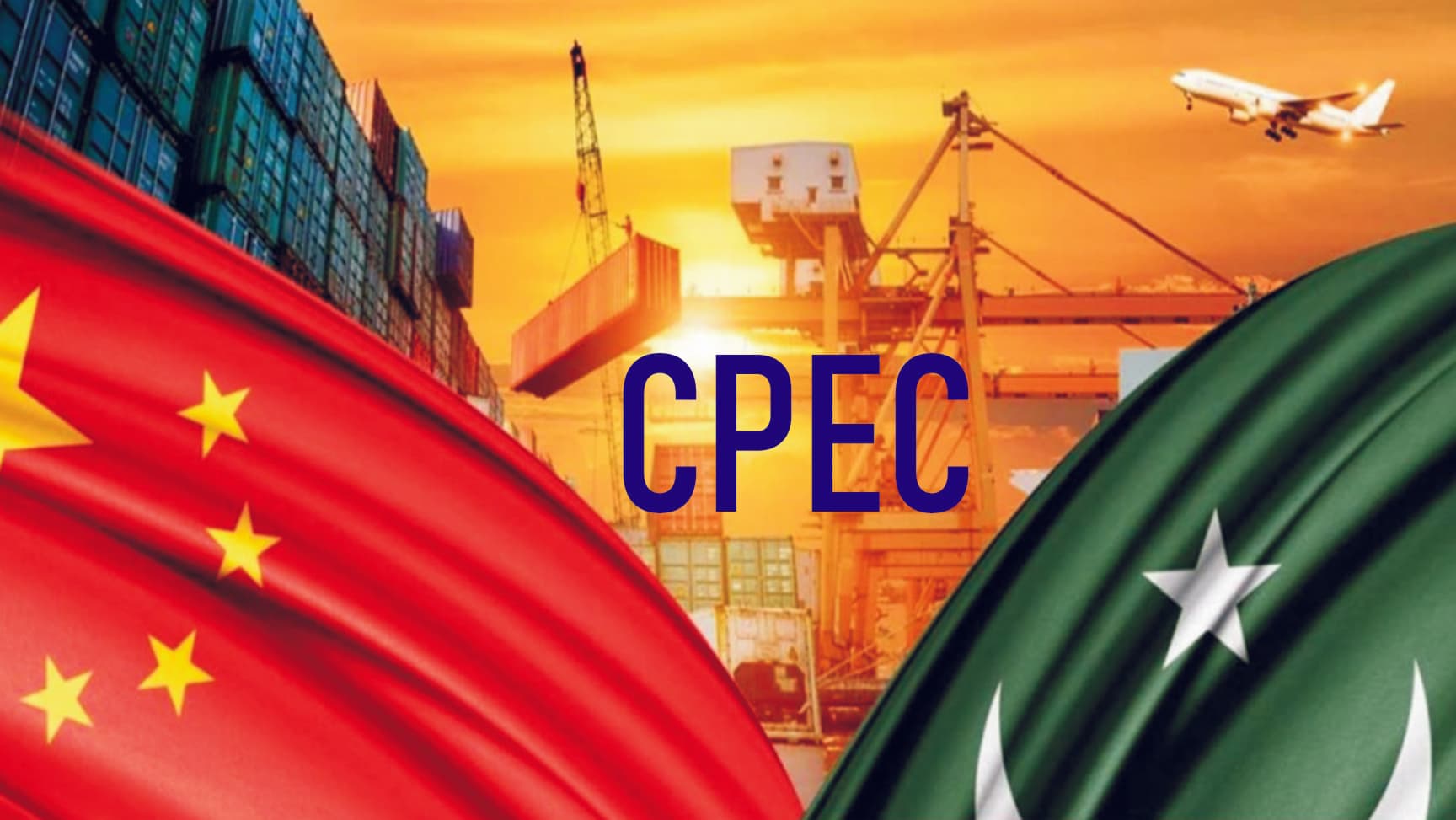
The pact aims to foster mutual growth and institutional development by creating structured pathways for shared academic innovation. By building closer ties with the Chinese institution, the initiative also seeks to promote greater educational and people-to-people exchanges between Pakistan and China.
Key Focus Areas of the Academic Framework
The newly signed Education Cooperation Agreement outlines several core strategic initiatives intended to elevate educational standards and operational capacity. These cooperative measures are structured to benefit both students and faculty members across institutions.
The primary operational components of the agreement include:
Talent and Faculty Exchanges: Facilitating regular student and faculty exchanges alongside joint talent development programs to broaden academic perspectives.
Vocational and Skills Training: Implementing practical vocational skills training to better prepare graduates for competitive international job markets.
Industry-Academia Collaboration: Aligning educational curricula with modern industry demands to foster innovation and practical research applications.
Educational Resource Sharing: Exchanging digital infrastructure, research materials, and educational assets to improve learning outcomes.
Driving Internationalization in Higher Education
A central objective of the Education Cooperation Agreement is the establishment of dedicated collaborative platforms designed to support long-term internationalization. These platforms will serve as the foundation for joint research projects, seminars, and ongoing institutional dialogue.
By prioritizing resource sharing and structural connectivity, the partnership addresses the growing demand for globalized higher education. The framework ensures that both participating institutions can leverage their distinct organizational strengths, ultimately contributing to more robust bilateral educational cooperation.














回复 (0)