


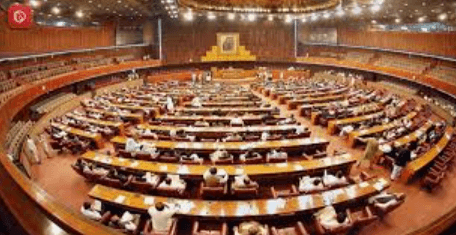
Scottish Members of Parliament have decisively rejected a proposed assisted dying bill, ensuring the nation will not become the first part of the UK to legalise such a process. The vote followed a highly charged and emotional debate within Holyrood.
Legislative Setback for Assisted Dying Bill
The legislative proposal sought to provide terminally ill adults with the option to seek medical assistance to end their lives. Supporters argued for compassion and individual autonomy, while opponents raised serious concerns about safeguarding vulnerable individuals and the sanctity of life.
The rejection marks a significant setback for campaigners who have long advocated for a change in Scotland's laws. Similar attempts to introduce assisted dying legislation have faced strong opposition across the UK.
Emotional Debate Highlights Deep Divisions
Throughout the parliamentary discussion, MSPs shared deeply personal perspectives and listened to testimony from various stakeholders. The debate underscored the profound ethical and moral complexities surrounding the issue.
Votes against the bill reflected a broad spectrum of concerns, ranging from potential coercion to the role of palliative care. Advocates for the bill expressed disappointment but vowed to continue their efforts to bring the issue back to the legislative agenda.
Scotland's decision keeps it in line with the rest of the UK, where assisted dying remains illegal. The outcome will likely fuel ongoing discussions about end-of-life choices and legal frameworks in other nations.
Reference: BBC News
















Responses (0)