

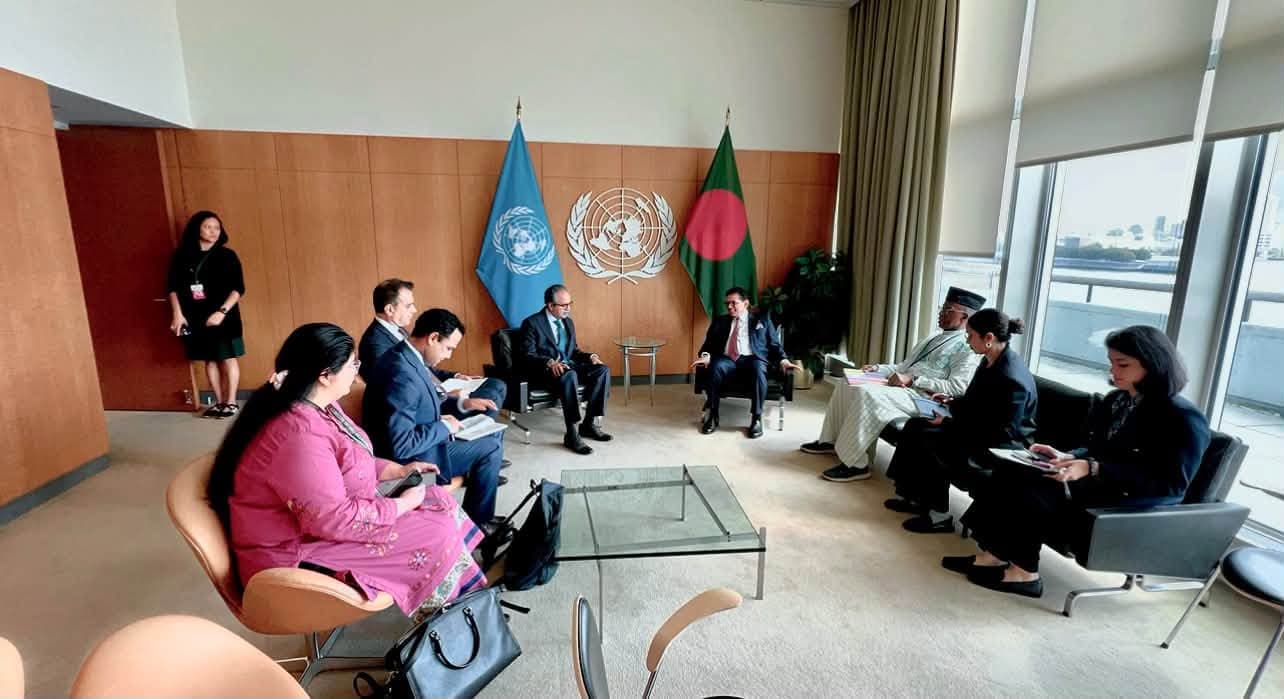
ISLAMABAD, Pakistan — A high-profile 12-member delegation from the Administrative Cadre of the Bangladesh Civil Services visited the Federal Board of Revenue (FBR) Headquarters in Islamabad on Monday. The visit was part of a 21-day study tour of Pakistan, focusing specifically on the thematic component of "Policy Innovation." The delegation was accompanied by the Director General of the Civil Services Academy (CSA), Mr. Farhan Aziz Khawaja, alongside senior academy faculty members.
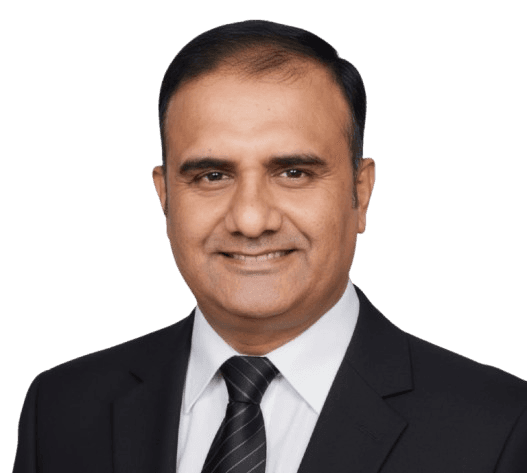
Chairman FBR, Mr. Rashid Mahmood Langrial, warmly welcomed the visiting delegates and highlighted the longstanding brotherly relations between Pakistan and Bangladesh. He observed that both nations share historical ties and a common administrative legacy. The Chairman emphasized that regular bilateral exchanges provide a vital platform for mutual learning, sharing governance experiences, and driving institutional cooperation.
The Bangladeshi delegation was led by Ms. Salma Siddiqua Mahtab, Additional Secretary, and included eleven senior Joint Secretaries from various governance sectors.
Inside the FBR Transformation Plan: AI and Anti-Corruption
During the high-level briefing, the Chairman updated the participants on aggressive internal reforms aimed at eradicating corruption and eliminating nepotism in postings and transfers. A cornerstone of this strategy is a modern performance evaluation system that categorizes officers from Category A to D to ensure the right person is placed in the right job. Notably, over 90 percent of vital positions within the bureau are now held by Category A and B officers.
Senior officers from Pakistan Customs and the Inland Revenue Service (IRS) delivered comprehensive presentations detailing the key operational pillars of the ongoing FBR Transformation Plan.
The delegation was briefed on several cutting-edge modernization initiatives, including:
Point of Sale (POS) Integration: Real-time sync of retail transactions to curb tax evasion.
AI-Based Production Monitoring: Utilizing artificial intelligence to track industrial output across key manufacturing sectors.
Faceless Customs System: Digitizing customs clearances to completely remove officer discretion.
Compliance Risk Management: Automating audit selections based on risk parameters rather than manual choice.
Performance-Linked Salaries: Introducing market-competitive remuneration tied directly to performance metrics.
Strengthening Bilateral Governance Ties
The interactive session was also attended by key Pakistani leadership, including the Member (IR-Operations), Member (Customs-Operations), and Member (Administration). The visiting delegates highly praised the FBR's evolved governance structure, institutional capacity, and tech-driven approach to tax administration.
Expressing optimism for the future, the Bangladeshi officials noted that the insights gained during the tour would prove highly valuable for designing and implementing similar tax and administrative innovations back in Bangladesh. The session concluded with the DG Civil Services Academy thanking the FBR chief for hosting the delegation and offering profound insights into the organization's modernization framework.















Responses (0)