



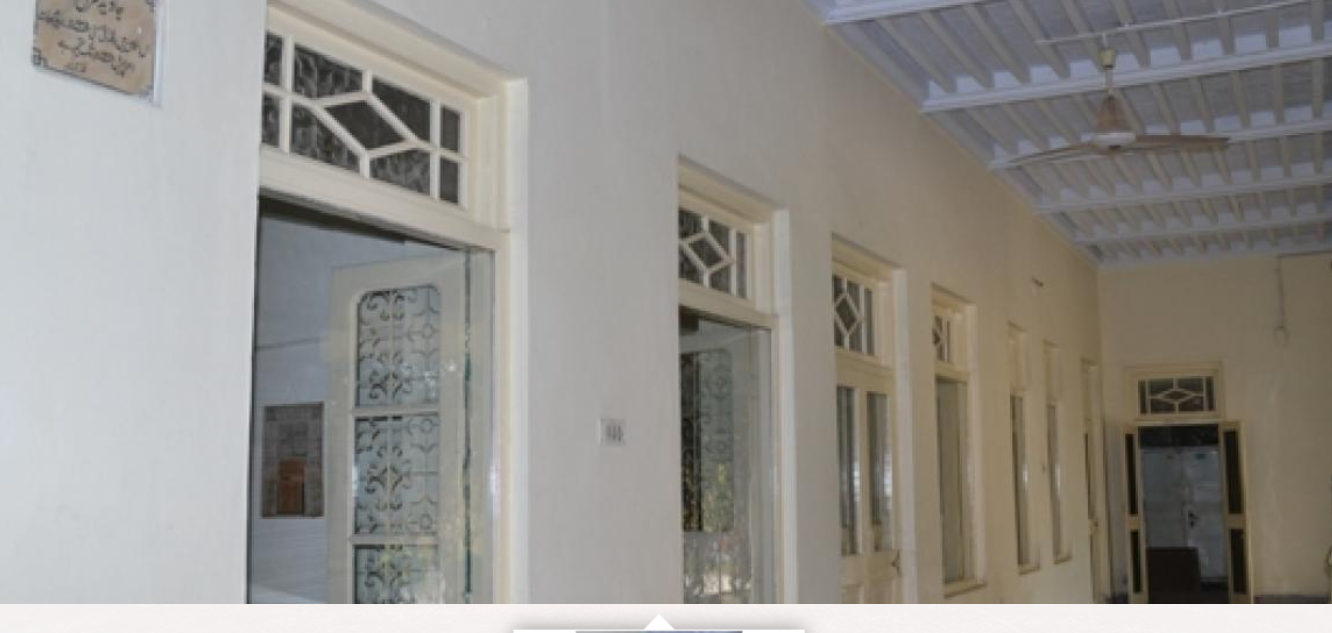
LAHORE — Javed Manzil stands as a profound monument to the "Poet of the East," serving as the final sanctuary for the philosopher, thinker, and visionary Dr. Allama Muhammad Iqbal. It was within these walls that Iqbal spent the final three years of his life (1935–1938), ultimately breathing his last on April 21, 1938.
A Legacy Built on Family and Vision
The residence was constructed on approximately 7 kanals of land at a total cost of Rs. 42,025. The project was completed under the meticulous supervision of Allama Iqbal’s elder brother, Sheikh Atta Muhammad. Recognizing the immense historical and emotional significance of the site, the government converted the property into a specialized house museum.
Today, it serves as a primary repository for the personal belongings, rare relics, and original manuscripts of the great philosopher.
.PNG "Preserving the Poet of the East How Javed Manzil Became a National Treasure (2)")
Colonial Architecture and Design
Architecturally, Javed Manzil is a classic example of late-period colonial design. The structure is characterized by its functional simplicity:
Minimalist Aesthetic: The building is largely devoid of elaborate decorative features or traditional eastern architectural flourishes.
The Portico: The most prominent feature is the stately portico, which remains clearly visible from the main road.
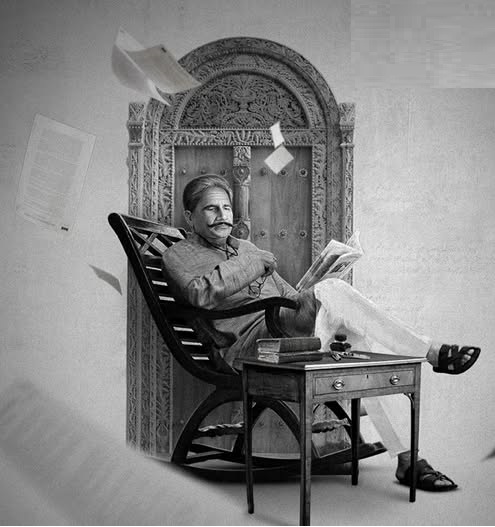
Preservation: The interior has been carefully maintained to reflect the atmosphere of the 1930s, allowing visitors to experience the environment where Pakistan's national poet conceived his final works.
By preserving his living quarters and personal items, the museum offers an intimate look at the man behind the philosophy that shaped a nation.















جوابات (0)