


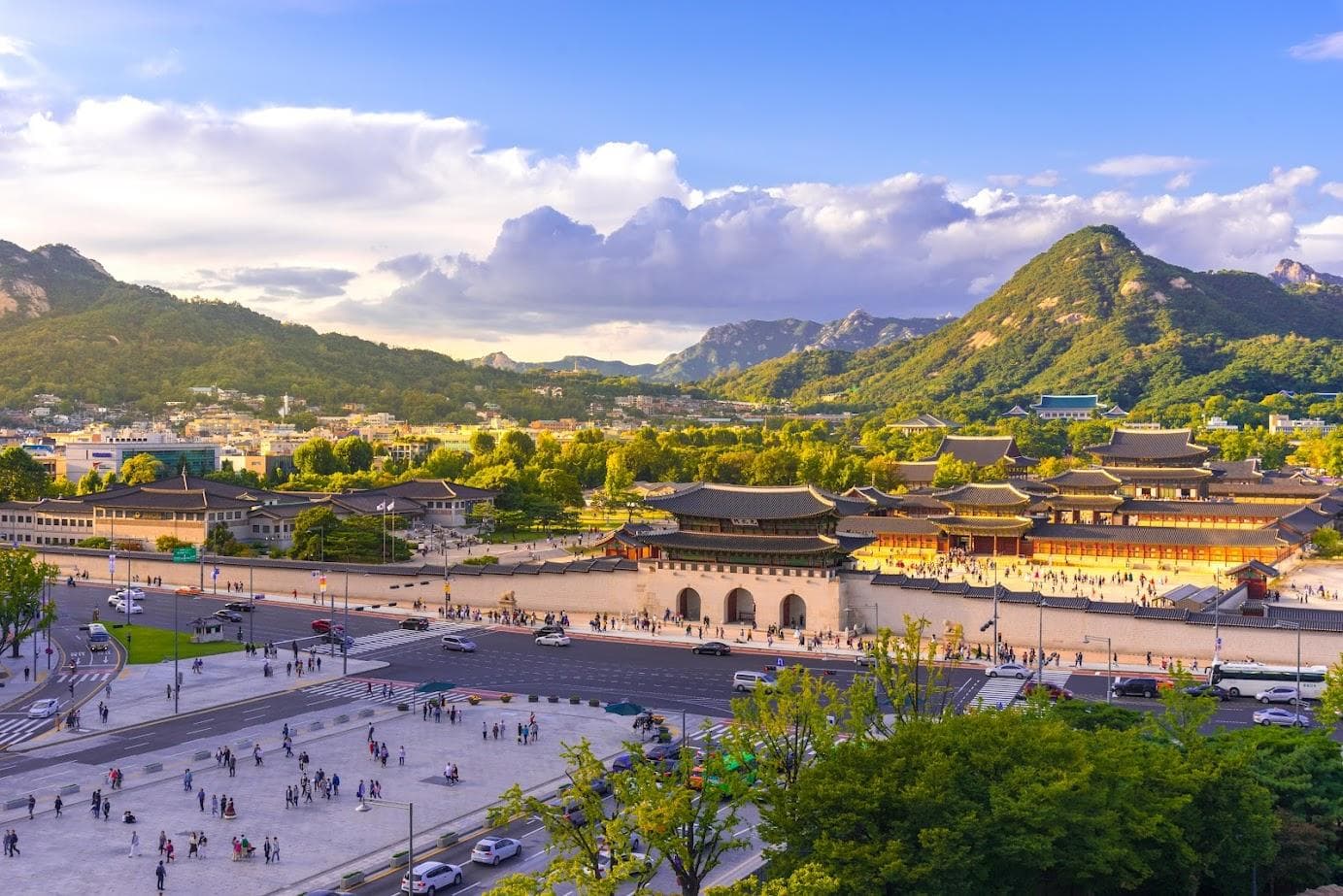
Gyeongbokgung Palace Stands as a Timeless Icon in Modern Seoul
By: ABID SIDDIQUE CHAUDHRY, The World Ambassador
SEOUL, South Korea — Located in the center of South Korea’s bustling capital, Gyeongbokgung Palace continues to serve as the nation’s primary cultural anchor, drawing millions of visitors to its historic grounds this year. Originally constructed in 1395, the "Palace Greatly Blessed by Heaven" remains the largest and most significant of the Five Grand Palaces built during the Joseon Dynasty.
The sprawling complex offers a stark, beautiful contrast to the glass skyscrapers of the Jongno District. For international travelers and history enthusiasts, the palace provides an essential look into the architectural genius and royal traditions that shaped modern Korea.

Witnessing the Grandeur of Joseon Architecture
The journey into Korean history begins at the Gwanghwamun Gate, the palace's main entrance. Visitors are greeted by the Changing of the Guard ceremony, a vibrant display of traditional uniforms and rhythmic drumming that recreates the atmosphere of the 14th century.
Inside the walls, the Geunjeongjeon (Throne Hall) stands as the focal point of royal authority. This massive timber structure is where kings once presided over state affairs and received foreign dignitaries. The hall is celebrated for its:
Intricate Dancheong: Traditional decorative coloring on wooden buildings.
Phoenix Motifs: Symbols of the king’s power carved into the stone and throne.
Natural Alignment: Architecture designed to mirror the peaks of the Namsan and Bugaksan mountains.

The Serenity of Gyeonghoeru Pavilion and Hanbok Culture
Perhaps the most photographed site within Gyeongbokgung Palace is the Gyeonghoeru Pavilion. This two-story hall sits atop 48 stone pillars and appears to float on a man-made lake. Historically used for royal banquets, it remains a masterpiece of harmony between man-made structures and the natural environment.

Modern tourism has breathed new life into these ancient stones through the Hanbok movement. Thousands of visitors daily wear traditional Korean silk attire to explore the grounds. This cultural immersion is particularly popular with international tourists from regions like Pakistan and Europe, as those wearing Hanbok are granted free admission to the palace.
Whether viewing the reflection of the pavilion at sunset or walking the stone pathways in silk robes, a visit to this site is more than a tour; it is an encounter with the living soul of South Korea.

















Responses (0)