



Negotiations to halt ongoing hostilities face a critical challenge: the potential for a premature ceasefire to inadvertently pave the way for future instability. Experts widely caution that any resolution failing to address the fundamental drivers of conflict risks merely postponing, rather than preventing, another round of violence.
Observers stress the importance of a comprehensive approach. A temporary halt to fighting, while offering immediate relief, often leaves underlying grievances unresolved, allowing tensions to fester and re-escalate.
The Perils of a Hasty Resolution
A hastily brokered truce can create a dangerous illusion of peace. Without robust mechanisms for disarmament, demobilization, and reintegration, armed factions may simply regroup and rearm, exploiting the pause to strengthen their positions.
Such imperfect conclusions can erode trust among all parties involved. This lack of confidence makes future negotiations even more difficult, trapping populations in cycles of uncertainty and violence that hinder long-term development and regional stability.
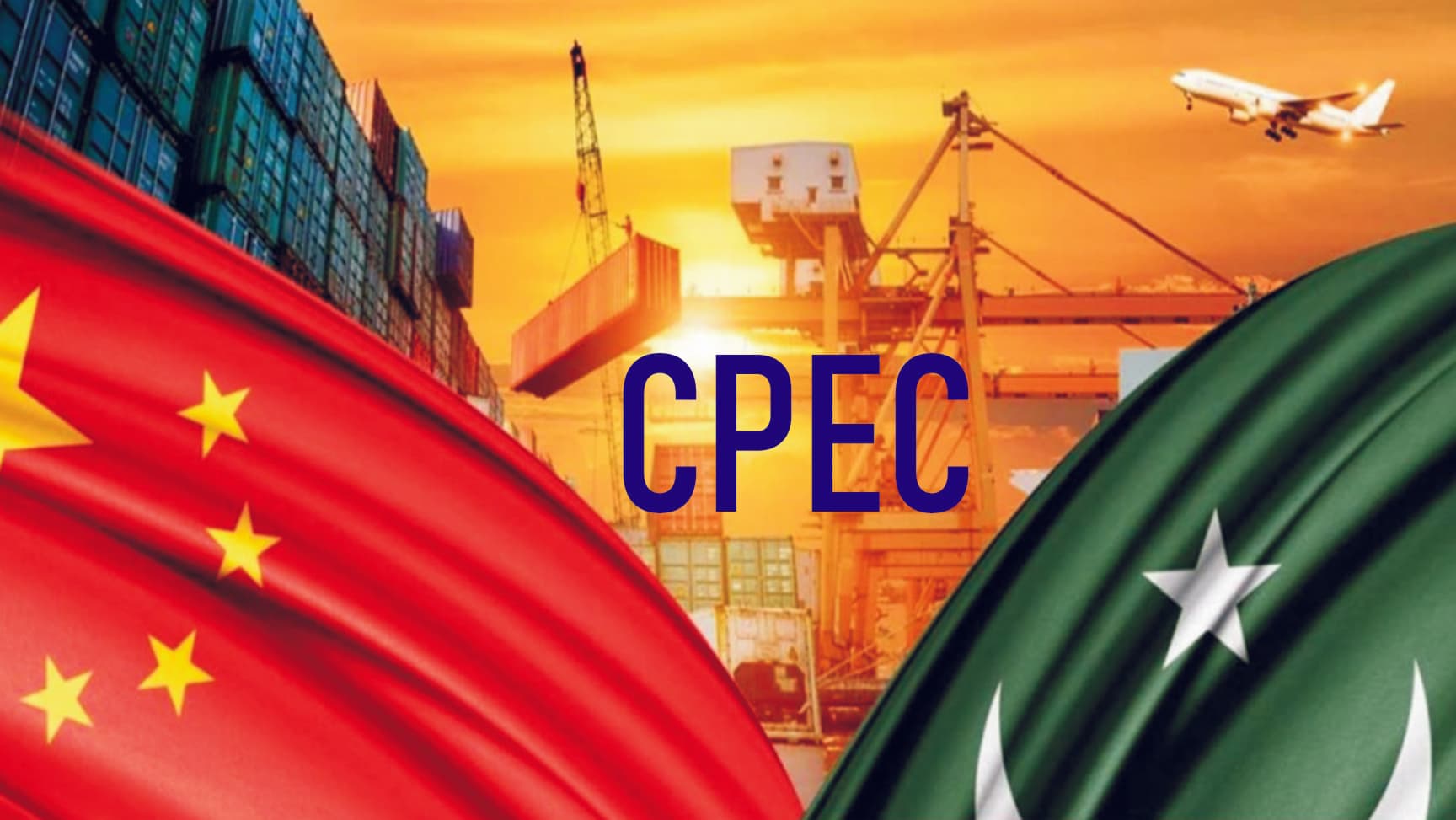
The economic repercussions of prolonged instability are also significant. Regions caught in recurring conflict struggle to attract investment, disrupting trade routes and development initiatives, including those vital for broader geopolitical strategies.
Forging Lasting Peace: Beyond a Temporary Truce
Achieving genuine and lasting peace requires more than just an end to active fighting. It necessitates a commitment to addressing the core issues that fueled the conflict in the first place, whether they are political, economic, or social.
International mediators and local stakeholders must work together to establish durable political frameworks. These frameworks should include inclusive governance, justice mechanisms, and pathways for reconciliation that build trust and shared purpose.
Sustainable peace agreements often incorporate clear monitoring and verification protocols. These measures help ensure compliance and provide a mechanism for addressing violations before they escalate into renewed widespread conflict, safeguarding the fragile peace.
Reference: aljazeera.com








Responses (0)