

QUETTA, The ancient legacy of the Mehrgarh civilization, one of South Asia’s oldest archaeological treasures, has received a major safeguard following the completion of the first-ever U.S. Ambassadors Fund for Cultural Preservation (AFCP) project in Balochistan, backed by more than $320,000 in U.S. funding.

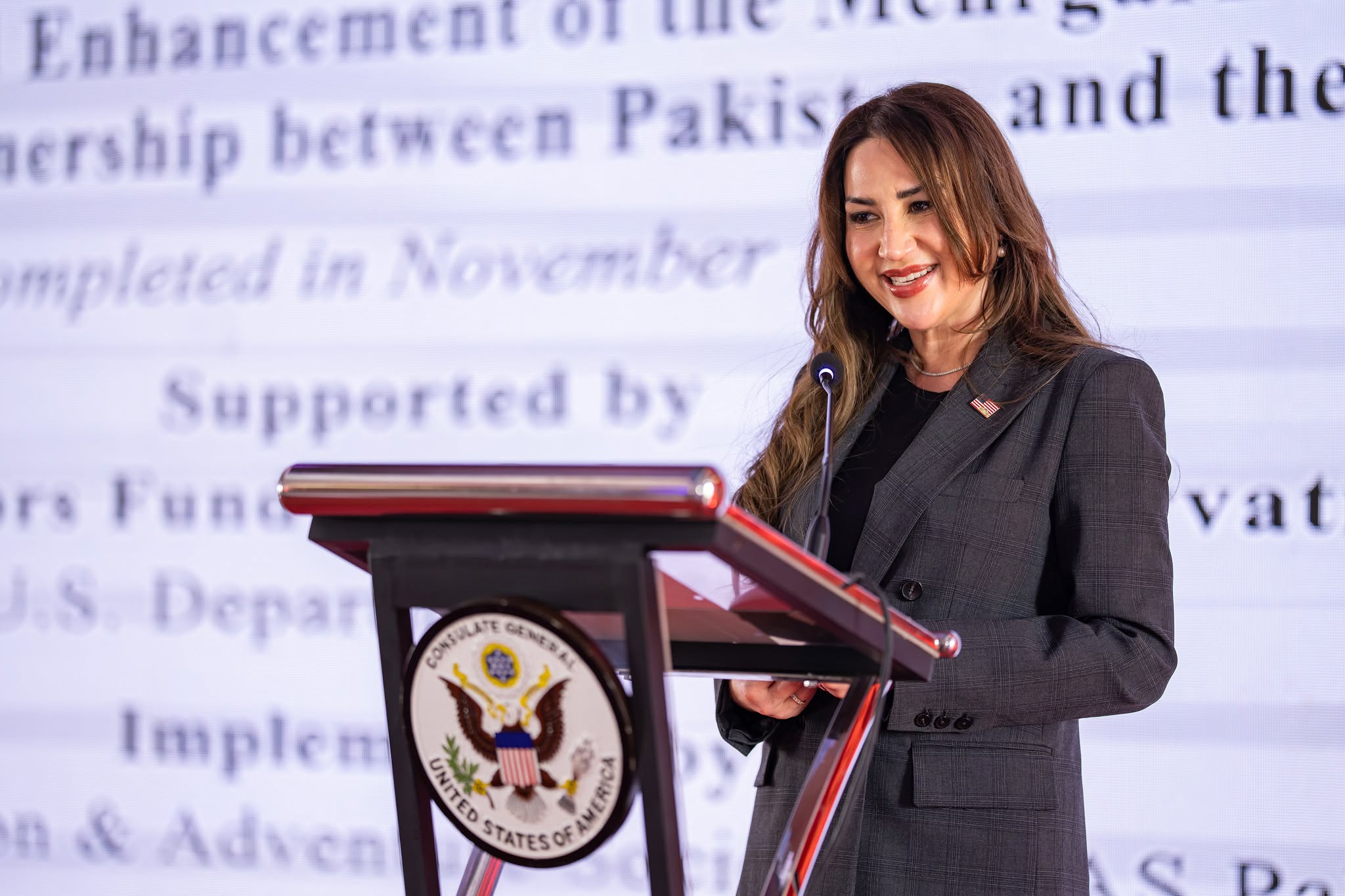
U.S. Chargé d’Affaires Natalie Baker joined Balochistan Chief Minister Sarfraz Bugti, Parliamentary Secretary Nawabzada Mir Muhammad Zarain Khan Magsi, and renowned Fulbright alumni Dr. Asma Ibrahim and Dr. Kaleemullah Lashari of the Sindh Exploration and Adventure Society to celebrate the milestone in Quetta.
Upgrading the Mehrgarh Museum and Protecting Neolithic Artifacts
Centered in Balochistan, the Mehrgarh civilization offers critical insights into the earliest farming and herding communities of South Asia. Through the $320,000+ AFCP grant, conservation specialists and local partners executed a comprehensive preservation and modernization initiative:
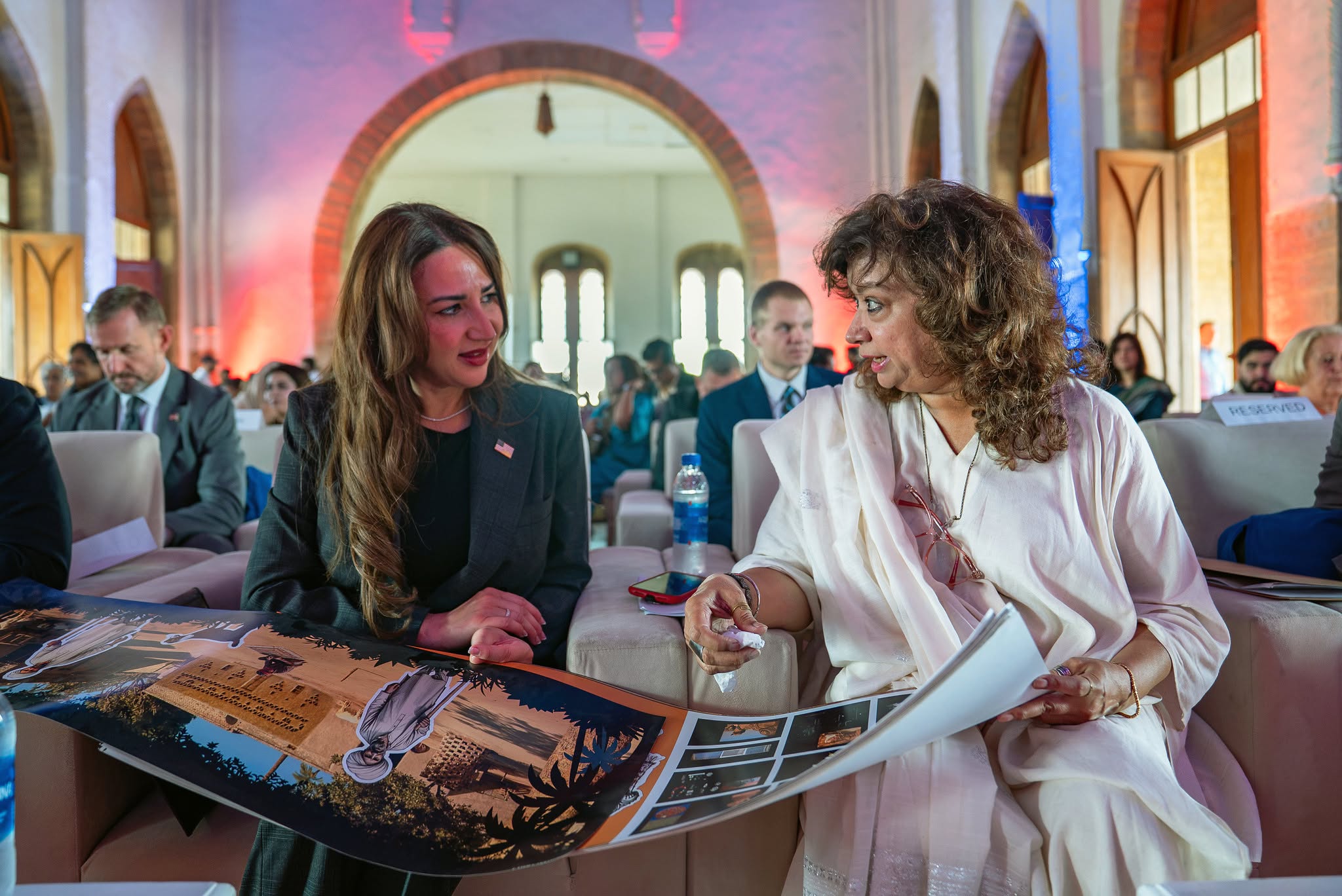
Artifact Conservation: Stabilized and preserved fragile Neolithic and other priceless archaeological artifacts excavated from Mehrgarh.
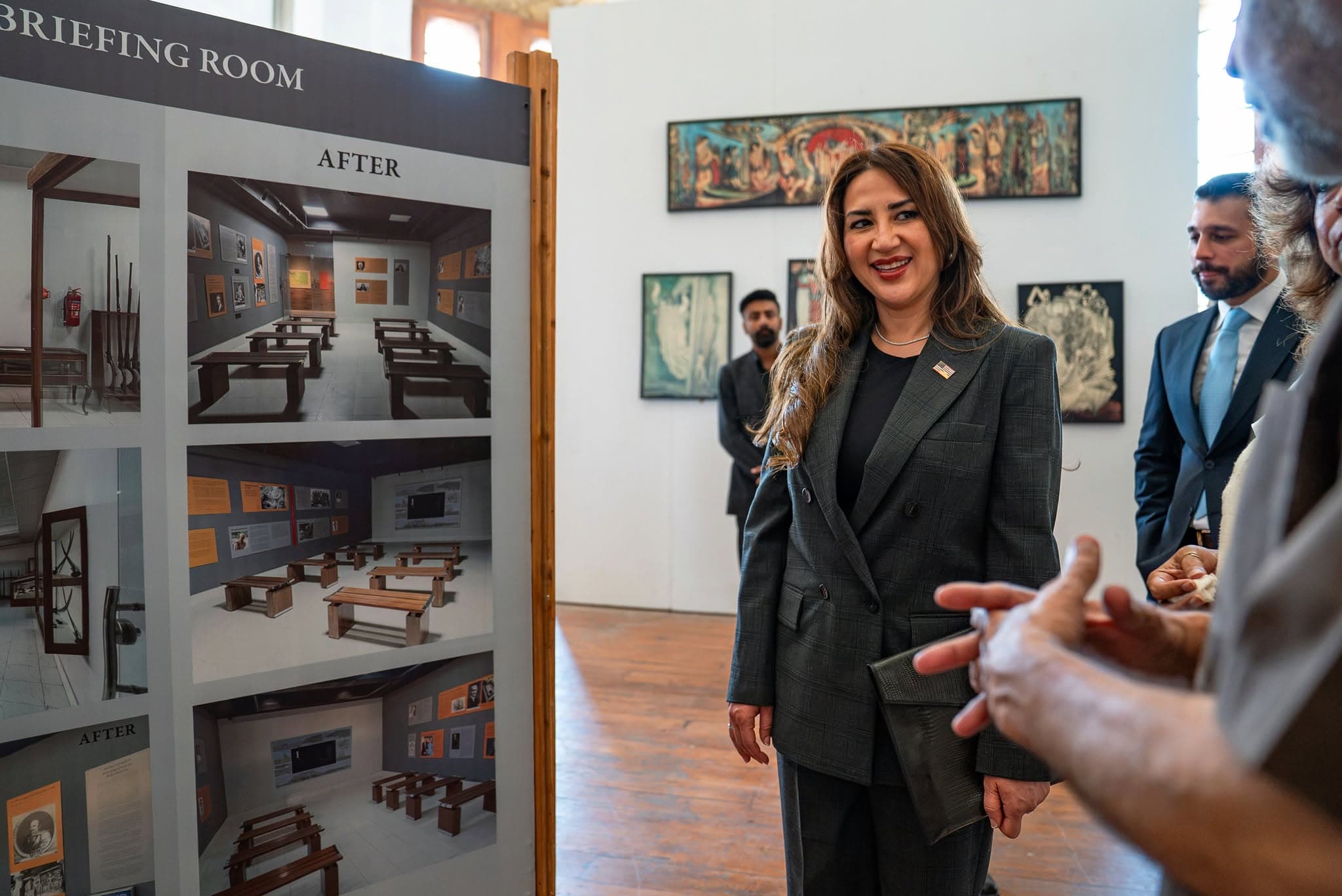
International Museum Standards: Upgraded the Mehrgarh Museum in Quetta to meet modern international conservation and exhibition benchmarks.
Capacity Building: Trained local heritage professionals in advanced curation and conservation techniques to ensure sustainable, long-term care of the collection.
Community Engagement: Expanded the museum’s educational and cultural outreach programs to connect local communities with their shared heritage.
U.S.-Pakistan Cultural Preservation Reaches Nationwide Milestone
With the successful completion of the Quetta initiative, the U.S. Ambassadors Fund for Cultural Preservation now boasts completed or active projects across all four of Pakistan’s provinces.
The joint achievement underscores enduring U.S.-Pakistan cooperation in safeguarding Pakistan’s diverse historical and archaeological heritage for future generations of researchers, students, and visitors.







Responses (0)