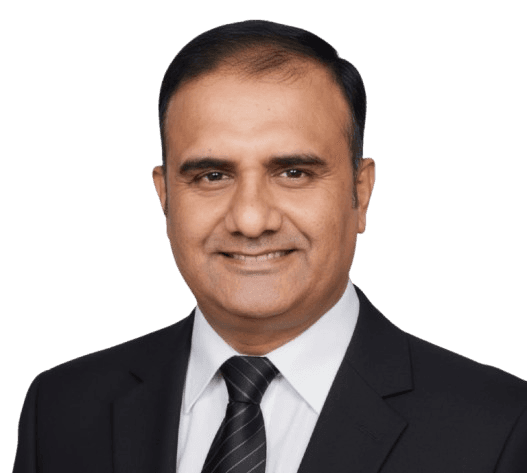

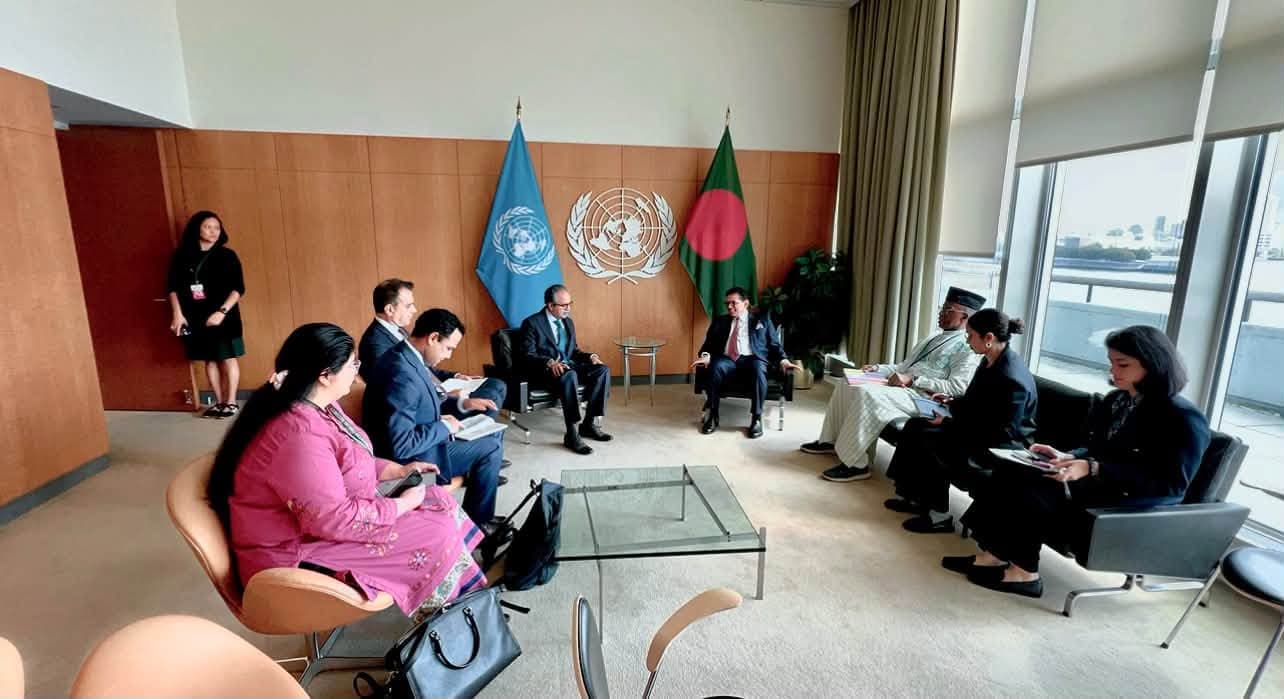
ISLAMABAD — In a significant move to bolster international cooperation on social welfare, the High Commissioner of the Republic of Rwanda to Pakistan, H.E. Ms. Fatou Harerimana, held a high-level meeting with Federal Minister for Human Rights, Senator Azam Nazeer Tarar. The discussions focused on expanding bilateral cooperation through a newly ratified Memorandum of Understanding (MoU) aimed at gender promotion and child development.
The agreement, originally signed in Kigali, serves as a strategic framework for both nations to collaborate on family welfare, institutional capacity-building, and high-impact exchange programs.
Strengthening Institutional Mechanisms for Human Rights
During the meeting, High Commissioner Harerimana praised the Government of Pakistan for its proactive stance on protecting the rights of women and children. She specifically highlighted Pakistan's progress in developing robust institutional mechanisms designed to ensure social protection for vulnerable populations.
Key pillars of the new cooperation include:
Gender Mainstreaming: Integrating gender perspectives into all policy-making stages.
Women’s Political Participation: Sharing strategies to increase female representation in governance.
Knowledge Exchange: A mutual commitment to learning from the "best practices" of both the Pakistani and Rwandan models of social development.
A Shared Vision for Empowerment
The Rwandan delegation provided insights into their nation’s globally recognized journey toward gender equality, offering a roadmap that could benefit Pakistan’s ongoing human rights initiatives. Senator Tarar reciprocated by emphasizing Pakistan’s commitment to technical collaboration and the enhancement of family protection services.
The meeting concluded with both leaders reaffirming their commitment to deepening the diplomatic bond between Islamabad and Kigali. By focusing on shared challenges and mutual interests, both countries aim to create a more equitable environment for their citizens, particularly through the empowerment of women and the safeguarding of children’s futures.




Responses (0)