

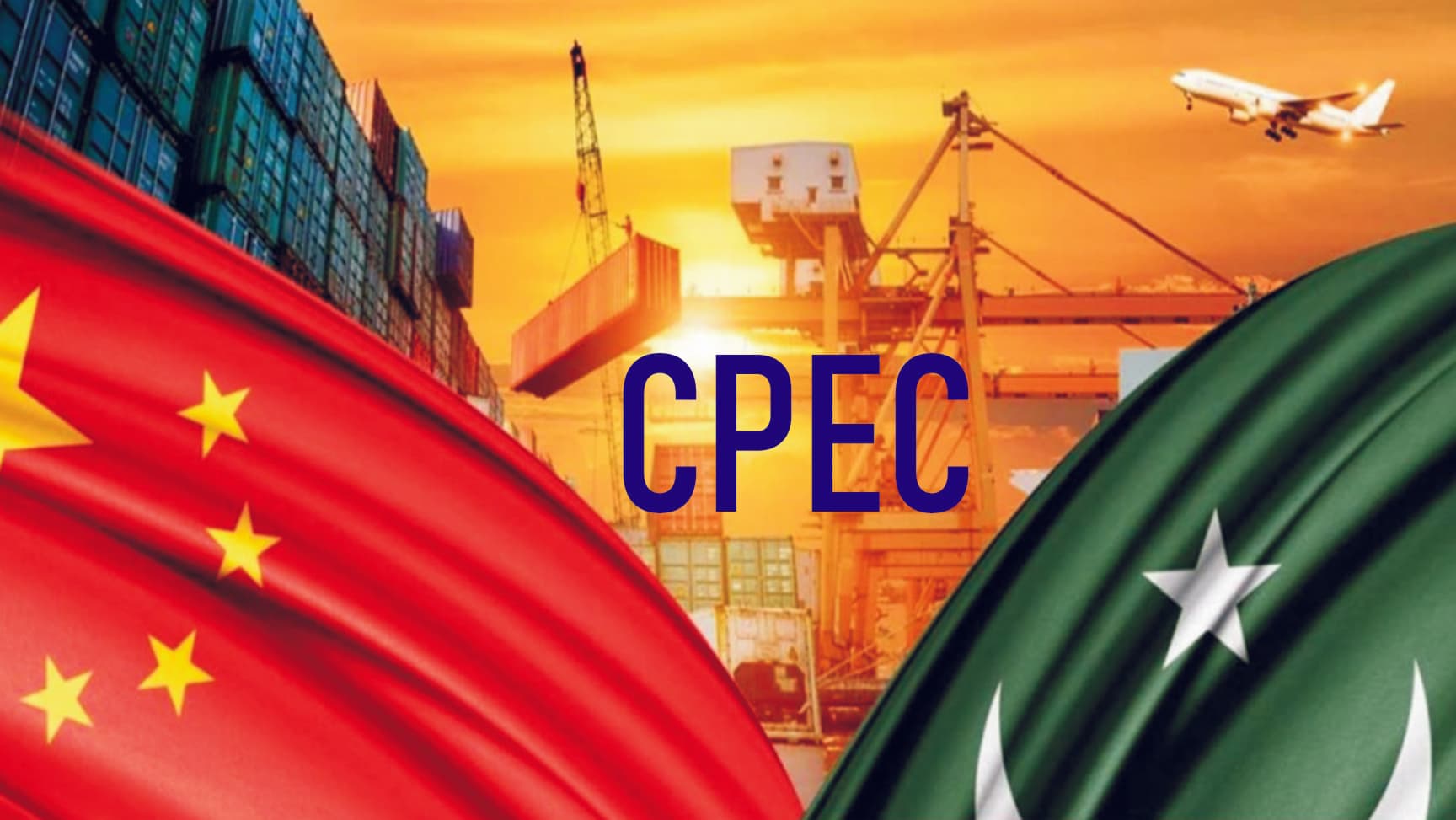
BUCHAREST/KARACHI — In a milestone move to strengthen global supply chains, Romania and Pakistan officially signed a Memorandum of Understanding (MoU) on port cooperation during a virtual ceremony on March 31, 2026. The agreement between the Maritime Ports Administration S.A. Constanța and the Karachi Port Trust aims to streamline trade routes between the Black Sea and the Arabian Sea, positioning both nations as critical logistical hubs for their respective continents.
The historic pact was signed by Mr. Mihai Teodorescu, General Manager of the Port of Constanța, and Rear Admiral Shahid Ahmed (Retd), Chairman of the Karachi Port Trust. High-level diplomats, including Ambassador @Dan Stoenescu and Ambassador Ilyas Mehmood Nizami, witnessed the event alongside representatives from the Pakistan Romania Business Council.
Enhancing Global Maritime Connectivity
The primary objective of the port cooperation agreement is to bridge the gap between Karachi Port and the Port of Constanța, creating a more efficient trade corridor between South Asia and the European Union. By optimizing maritime links, both nations intend to reduce transit times and costs for intercontinental shipping.
For Pakistan, this partnership is a cornerstone of its "Blue Economy" initiative, aimed at modernizing its maritime infrastructure. Romania, meanwhile, solidifies its status as the EU’s eastern gateway. The Port of Constanța offers a unique advantage, providing direct access to Central Europe via the Danube corridor, stretching through Hungary, Austria, and Germany toward the North Sea.
Boosting Bilateral Trade and Economic Growth
The agreement establishes a joint working group to facilitate the exchange of expertise in port management and digital operations. Industry experts believe this synergy will unlock significant bilateral trade opportunities, including:
Romanian Exports: Increased shipments of industrial machinery, chemicals, and agricultural products to the Pakistani market.
Pakistani Exports: Faster entry into Europe for textiles and goods under the EU’s GSP+ scheme, which provides preferential market access.
Logistical Innovation: Collaborative training and the implementation of "green" port technologies to meet modern sustainability standards.
A Sustainable Future for the Blue Economy
Ambassador Dan Stoenescu emphasized that the partnership is a proactive response to global infrastructure pressures. "Enhanced maritime connectivity is a practical tool for deepening regional integration," Stoenescu noted, highlighting Romania's goal to balance trade flows and expand its economic footprint in Asia.
With over 75% of the EU’s external trade currently moving by sea, the focus on the Blue Economy is more than just commercial—it is essential for supply chain resilience. This framework ensures that both Romania and Pakistan remain competitive in a rapidly evolving global market.










Responses (0)