

ISLAMABAD — In a historic diplomatic breakthrough that has reshaped regional geopolitics, Pakistan has successfully brokered a two-week ceasefire between the United States and Iran. While world leaders hail the move for preventing a catastrophic escalation, neighboring India has maintained a strategic silence, refusing to acknowledge Pakistan's central role in the negotiations.
The Indian Ministry of External Affairs (MEA) officially welcomed the ceasefire, citing the need for "dialogue and diplomacy" to stabilize West Asia. However, the statement conspicuously avoided mentioning Islamabad, despite reports confirming that Islamabad will host upcoming high-level talks between Washington and Tehran.
India’s "Strategic Silence" Under Fire
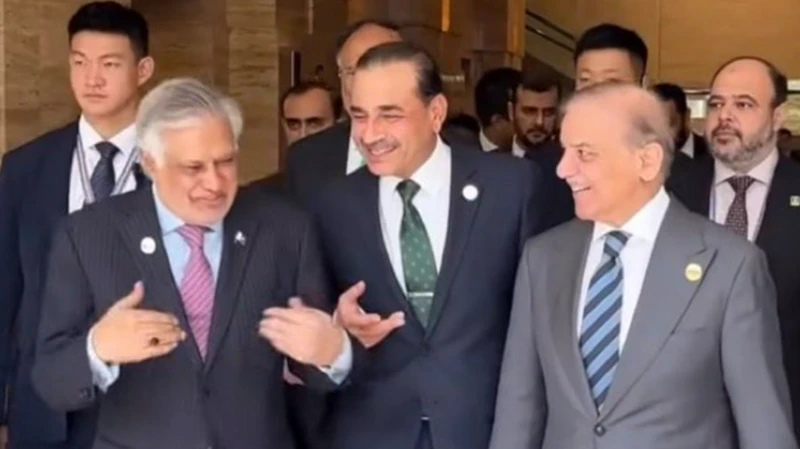
The Modi government’s refusal to credit Pakistan has sparked a domestic backlash within India. Opposition leaders and seasoned diplomats are questioning why New Delhi was sidelined during one of the most critical negotiations of the decade.
Key reactions from Indian intellectuals and politicians include:
Rashid Alvi (Congress Leader): Criticized PM Modi’s pro-Israel stance, stating that what Pakistan achieved is what India should have done.
Nirupama Menon Rao (Former Foreign Secretary): Acknowledged Pakistan’s role as a vital "channel" that extended bombing deadlines and opened a diplomatic corridor.
Ashok Swain (Academic): Noted that PM Modi’s attempt to isolate Pakistan has backfired, leaving India appearing "isolated" while Pakistan enjoys the trust of the US, China, and Iran.
The Economic Dividend: Energy Security Restored
The ceasefire's impact is not just political but profoundly economic. The tensions in the Strait of Hormuz had threatened global oil and gas supplies, directly impacting India's energy costs. Ironically, while the Indian government remains silent on the mediation, it is reaping the benefits.
Reports indicate that for the first time in seven years, an Iranian oil tanker is scheduled to arrive in India this week—a direct result of the de-escalation managed by Pakistani diplomacy. Social media users in India have noted the irony, with some pointing out that it was the Pakistani administration, not New Delhi, that effectively resolved India's looming LPG and petrol crisis.
A Legacy of Mediation
Analysts are drawing parallels between this success and Pakistan’s historical role in the 1970s when it facilitated the opening of ties between the United States and China. Despite Indian External Affairs Minister S. Jaishankar’s dismissal of "broker" roles, international observers view the ceasefire as a major win for Islamabad.
Anjana Sankar, a global affairs journalist, emphasized that Pakistan kept the diplomatic door open during the peak of the crisis. Just hours before President Trump’s bombing deadline expired, Islamabad’s intervention secured the two-week reprieve, preventing a wider regional war.










Responses (0)