

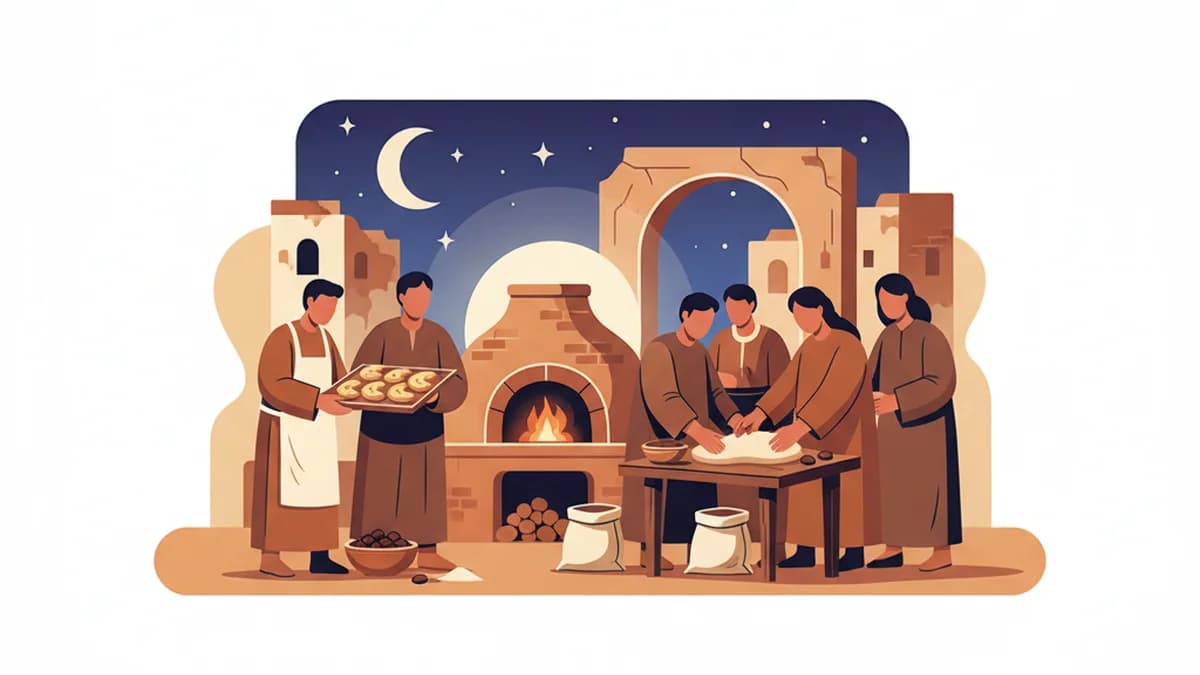
As Eid al-Adha approaches, families across Gaza are preparing to celebrate, even as they confront severe shortages and escalating prices for basic ingredients. Despite the profound challenges, the cherished practice of Gaza Eid baking persists, a testament to enduring cultural traditions.
The Resilience of Gaza Eid Baking Amidst Scarcity
Border closures continue to restrict the flow of essential goods into the Gaza Strip, making ingredients scarce and prohibitively expensive. Flour, sugar, and cooking oil – staples for traditional Eid sweets – have become luxury items for many households.
This economic pressure forces families to make difficult choices, often scaling back the quantity or variety of their festive treats. Yet, the determination to uphold these culinary customs remains strong, with communities finding innovative ways to adapt.
Upholding Cultural Identity Through Shared Customs
Beyond mere sustenance, the act of preparing and sharing Eid baked goods holds deep cultural and social significance. It represents a connection to heritage, a symbol of hope, and a vital way to foster community bonds during times of immense adversity. (according to Reuters)
For many, the aroma of freshly baked cookies or pastries offers a fleeting sense of normalcy and joy amidst the daily struggles. These traditions become powerful expressions of resilience, demonstrating an unwavering spirit in the face of ongoing hardships. (according to BBC News)
In every kitchen where Gaza Eid baking continues, there is a quiet act of defiance-why-malalas-advocacy-is-vital-as-afghan-girls-face-education-bans" title="The Voice of Defiance: Why Malala’s Advocacy is Vital as Afghan Girls Face Education Bans">defiance against despair, reinforcing identity and community spirit for another year.
Reference: Al Jazeera – Breaking News, World News and Video from Al Jazeera















Responses (0)