
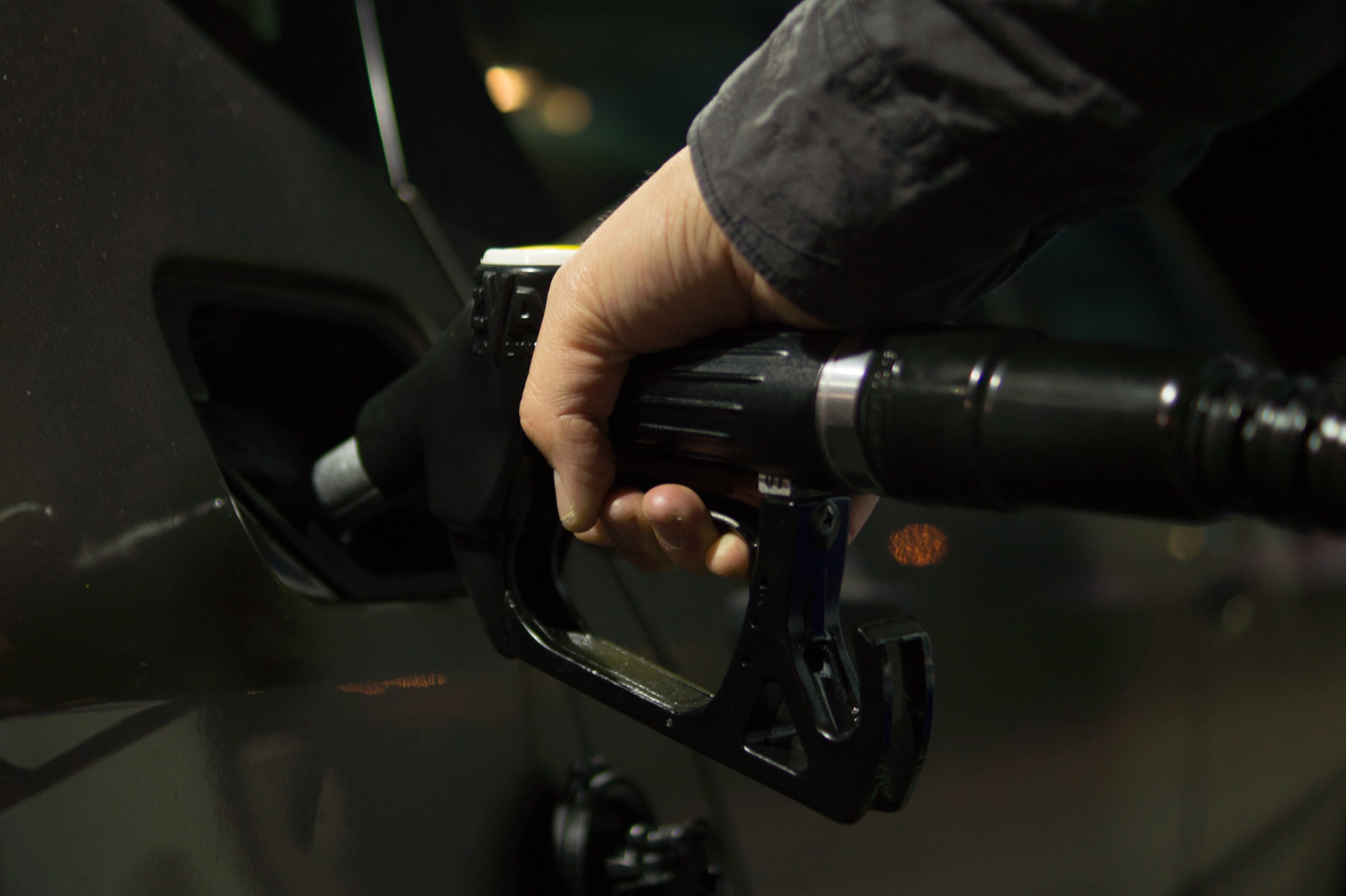
ISLAMABAD — The Pakistan Petroleum Dealers Association (PPDA) and the All Pakistan Filling Stations Owners Association have warned of an imminent nationwide fuel crisis, announcing a joint strategy to suspend petroleum purchases across the country. During a high-stakes press conference at the Islamabad Press Club on Tuesday, April 7, 2026, leadership from both organizations declared that current profit margins have become economically unviable, pushing the industry to the brink of collapse.
Demand for Immediate Commission Hike
The associations are demanding that the government immediately increase their commission to 8 percent of the invoice price. Currently, dealers receive a fixed margin of Rs 8 per liter, a figure they argue is grossly insufficient given the recent surge in global oil prices and domestic inflation.
"It is not possible to continue business at a commission of Rs 8 per liter," stated PPDA Chairman Abdul Sami Khan. He noted that while fuel prices have skyrocketed, the fixed commission remains stagnant, failing to cover operational costs that have reportedly risen by 300 percent.
Strategic Supply Suspension
Unlike a traditional declared strike, the associations have opted for a "drying up" strategy. By collectively suspending the purchase of new stock from Oil Marketing Companies (OMCs), they aim to ensure that filling stations across Pakistan run out of fuel simultaneously. Key issues cited by the leadership include:
Skyrocketing Operational Costs: Electricity, labor, and maintenance expenses have surged beyond sustainable levels.
Banking & Credit Charges: Increased service charges on credit card transactions are further eroding the narrow profit margins.
Smuggling Concerns: Humayun Khan, Chairman of the Filling Stations Owners Association, highlighted that the influx of smuggled fuel is severely damaging the legitimate retail market.
A Call for Percentage-Based Margins
The dealers proposed a shift from a fixed rupee-based commission to a percentage-based formula. This would allow their margins to fluctuate naturally with international oil prices, providing a financial safety net during periods of high volatility.
The associations warned that if the government does not engage in meaningful dialogue and provide legitimate rights to the dealers, filling stations will become inactive automatically due to the inability to fund new inventory. "When the pumps across the country go dry, only then will the government understand the gravity of our problems," the leaders cautioned.









Responses (0)