


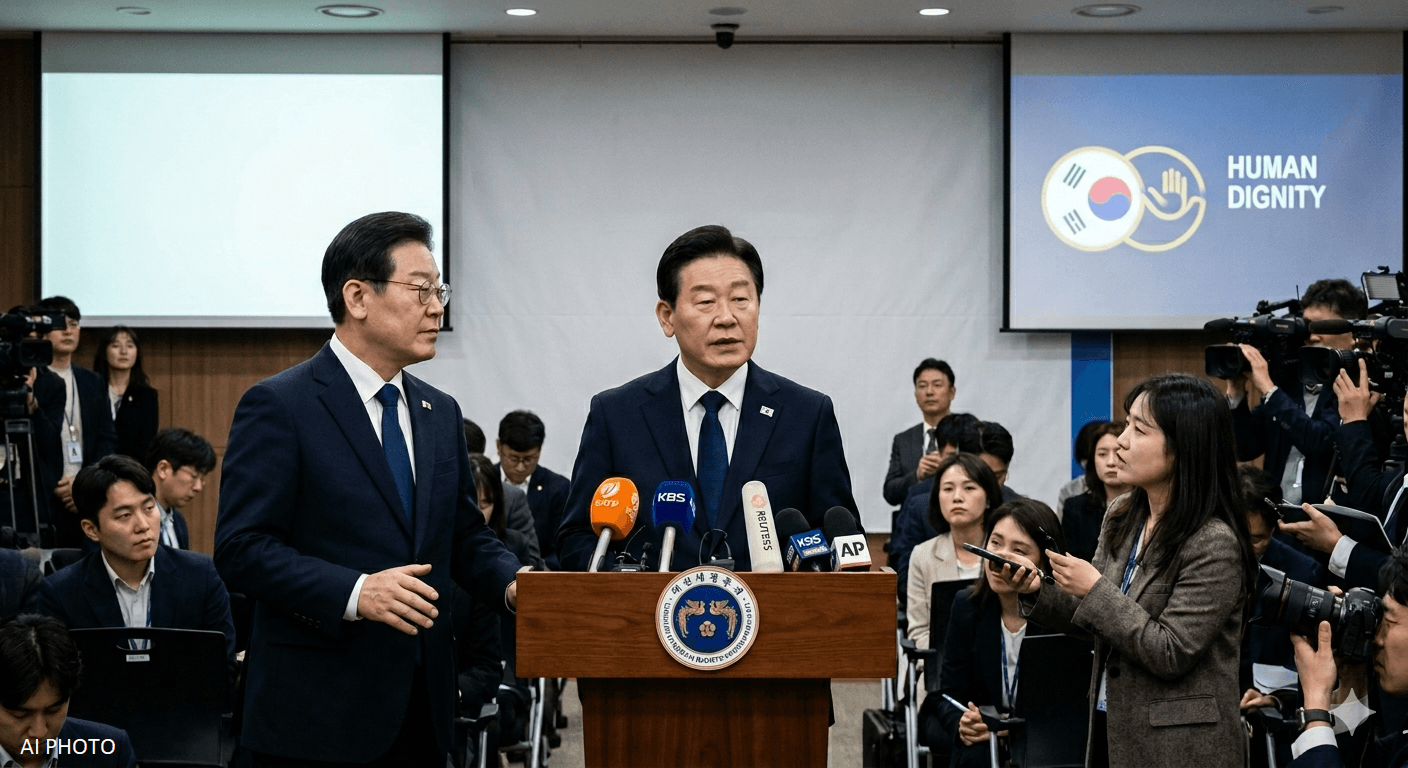
In a statement, Saquib Fayyaz Magoon said the current regional situation has made global energy supply chains “extraordinarily unstable.”
“The Strait of Hormuz handles nearly 20 per cent of the world’s oil shipments. Any disruption there would not only jolt global markets but could trigger an economic crisis for countries heavily reliant on imported fuel,” Mr. Magoon said.
Pakistan depends significantly on imported energy supplies from Gulf countries including Saudi Arabia, the United Arab Emirates and Qatar. Any interruption in crude oil or liquefied natural gas (LNG) shipments could quickly drive up fuel and electricity prices, worsening inflation and the ongoing cost-of-living crisis.
Pakistan’s Ports and Supply Chains at Risk
Magoon noted that Port Qasim and Karachi Port are closely linked to shipping routes passing through the Gulf, making Pakistan particularly vulnerable to maritime disruptions.
“Any obstruction to sea lanes will sharply increase freight charges, delay shipments and place immense strain on supply chains,” he said.
Referring to recent hostilities involving Iran and reported retaliatory actions in the region, Magoon said tanker movements had already begun to feel the impact. Daily LNG freight rates have risen by more than 40 per cent, while shipping costs in the Pacific basin have also increased significantly due to heightened risk perceptions among global shippers and insurers.
Strategic Concerns for Pakistan’s Economy
While Gwadar Port could potentially gain strategic importance in the long term due to its location and regional connectivity, Magoon warned that the immediate outlook remains concerning.
“At present, Pakistan is exposed to a severe economic shock if tensions persist or escalate,” he said.
He urged the government to make emergency arrangements to secure alternative energy supply routes, build up strategic petroleum reserves, and intensify diplomatic engagement to help reduce tensions in the region.
The Strait of Hormuz is considered one of the most critical maritime chokepoints for global energy trade. For energy-importing countries like Pakistan, disruptions in this route can quickly translate into higher import bills, currency pressure, and increased inflation.
Experts say coordinated policy measures, including energy diversification, diplomatic engagement and regional cooperation, are essential to mitigate the risks posed by geopolitical instability in the Middle East.
Magoon stressed that timely government intervention would be crucial to protect Pakistan’s industrial sector and consumers from the cascading impact of rising import costs, volatile exchange rates and possible energy shortages.
“Pakistan’s industrial sector cannot afford another external shock,” he said, adding that close coordination between policymakers, regulators and the business community is vital to navigate the unfolding global energy crisis.








Responses (0)