


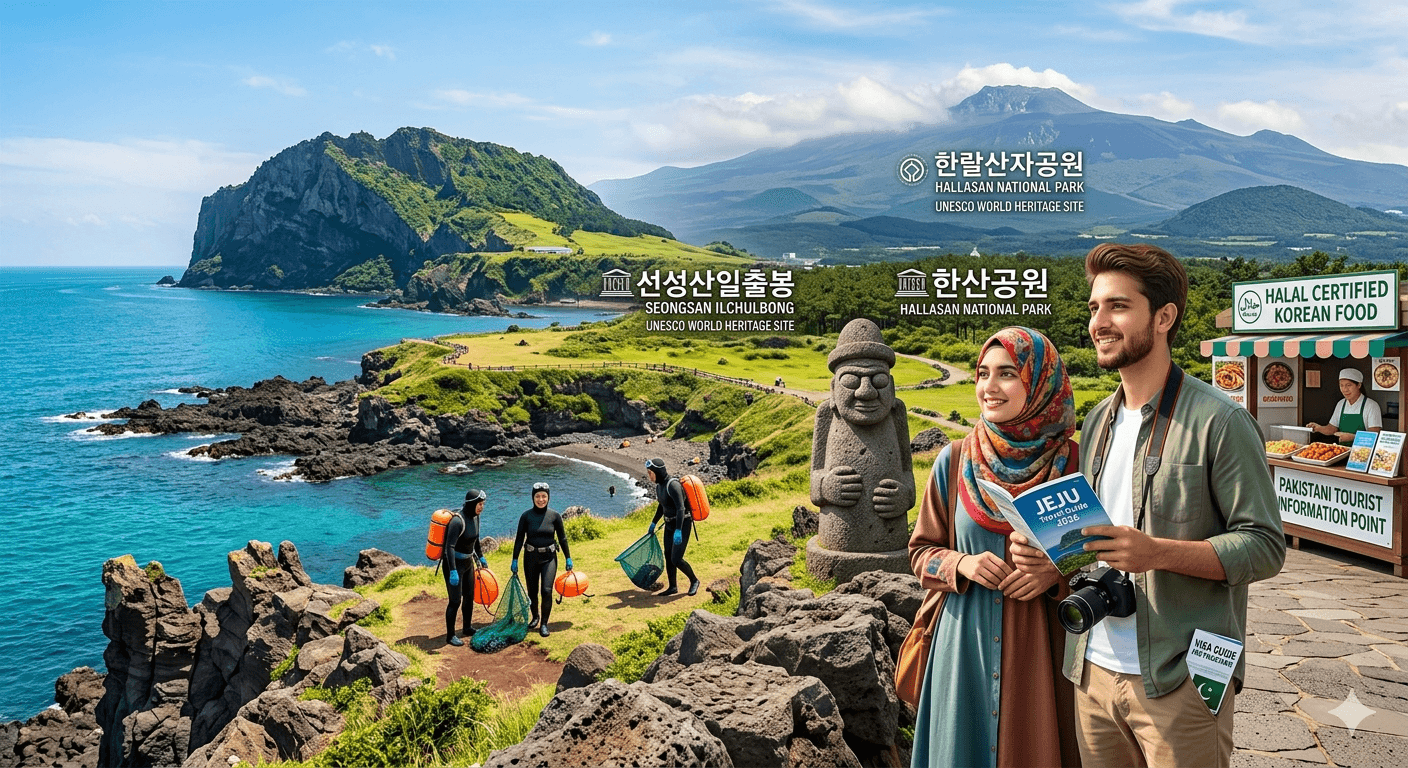
JEJU ISLAND, South Korea — Often celebrated as the "Island of the Gods," Jeju Island is a world-class destination that combines dramatic volcanic geology with a serene, slow-paced island lifestyle. Located off the southern tip of the Korean Peninsula, Jeju is South Korea’s largest island and a triple-crown winner of UNESCO titles: Biosphere Reserve, World Natural Heritage, and Global Geopark. For international travelers and those visiting from Pakistan, Jeju offers an experience that is both technologically advanced and deeply rooted in ancient traditions.
Iconic Geological Landmarks: Exploring the Volcanic Terrain
Jeju’s landscape was sculpted by volcanic eruptions that occurred millions of years ago, creating a terrain that is distinct from mainland Korea.
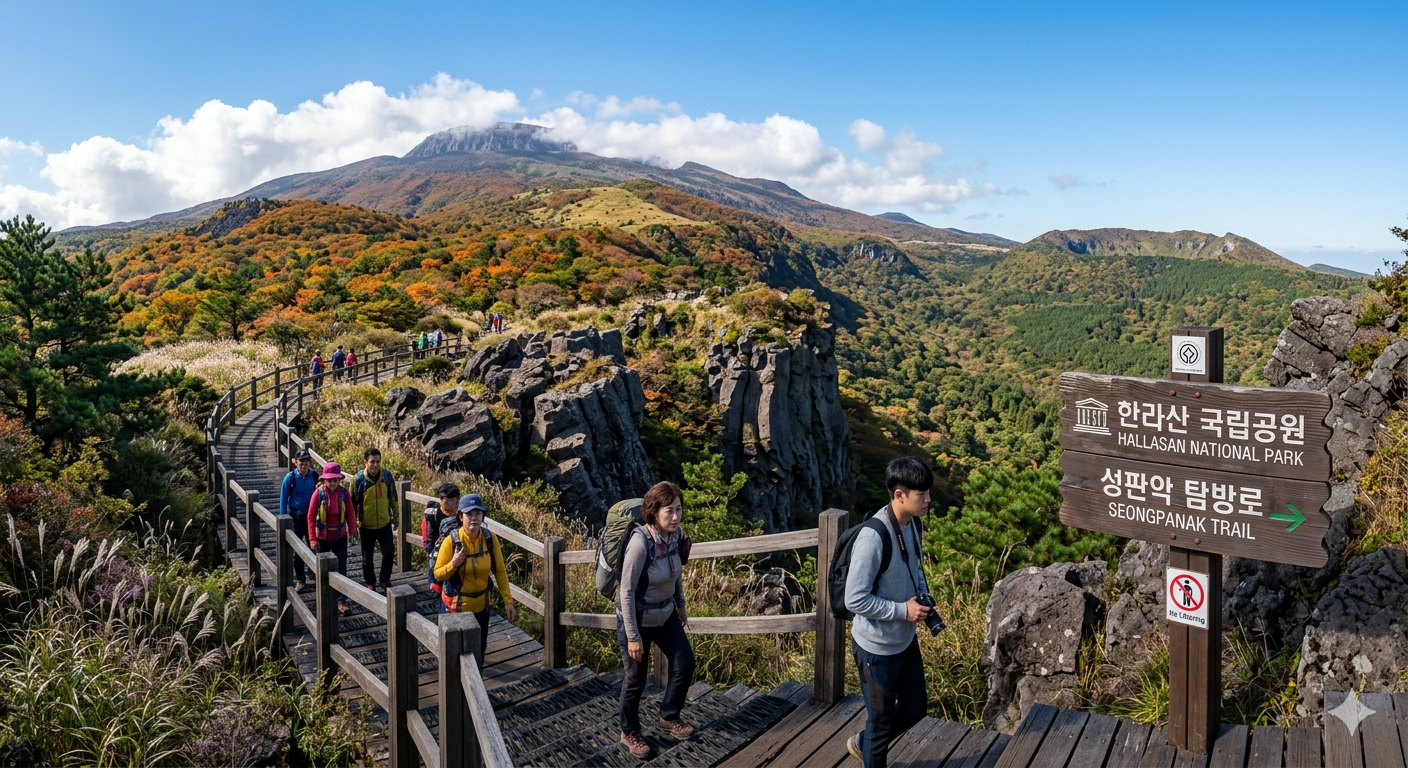
Hallasan National Park: Dominating the center of the island is Hallasan, a dormant volcano and the highest mountain in South Korea. It features seven different hiking trails ranging from easy walks to challenging day-long treks. The view from the top reveals a stunning crater lake known as Baengnokdam.
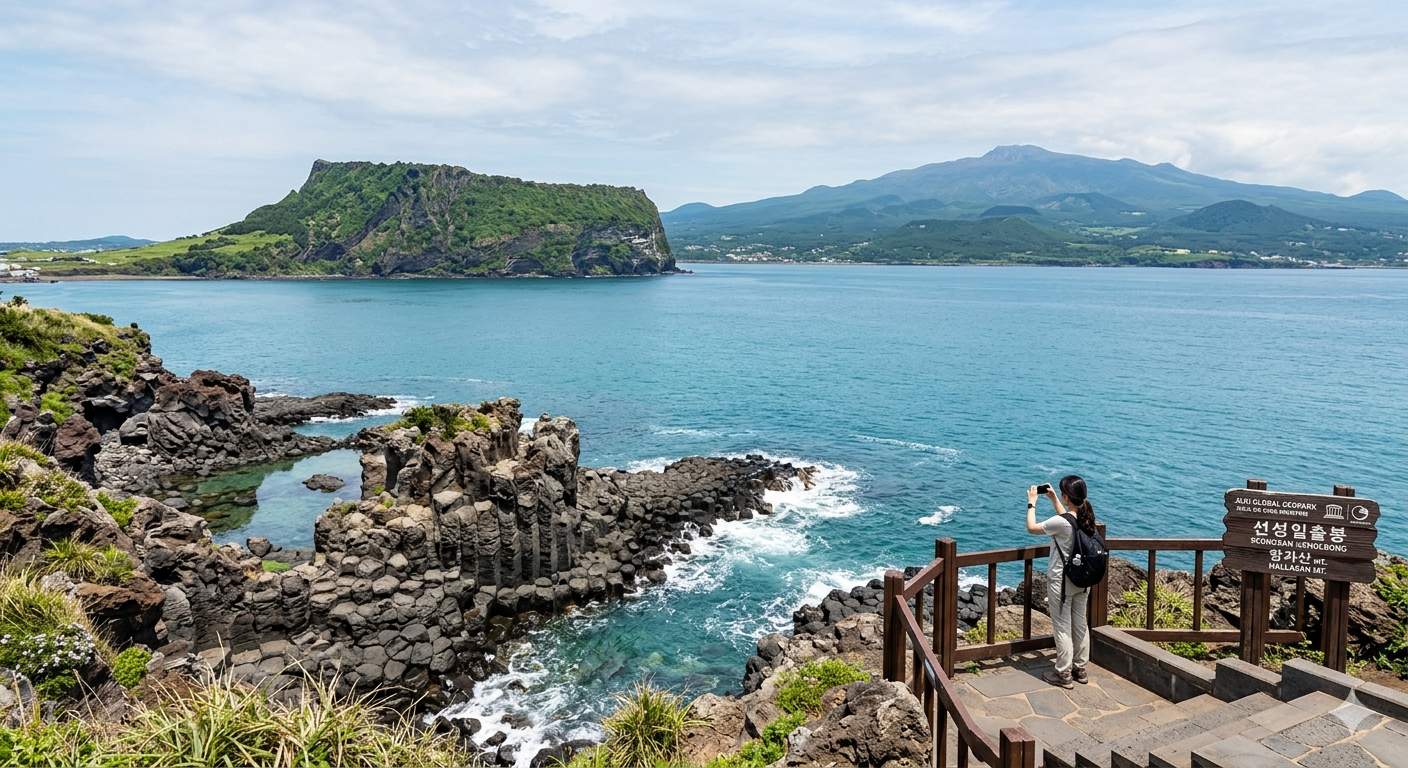
Seongsan Ilchulbong (Sunrise Peak): This majestic tuff cone rose from the sea in a rare hydro-volcanic eruption. The walk to the top takes about 20 minutes and rewards you with a panoramic view of the coastline that is particularly breathtaking at dawn.
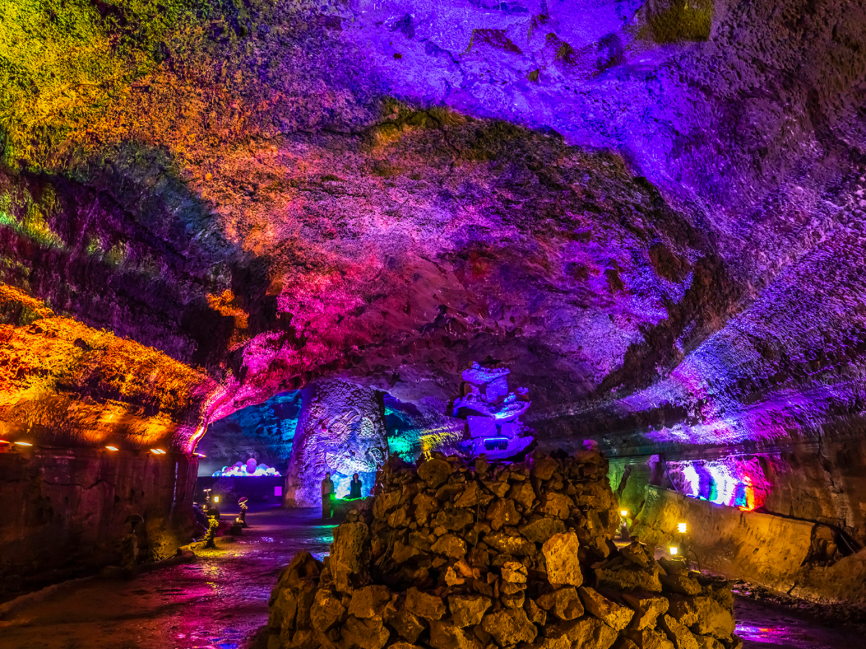
Manjanggul Lava Tube: As one of the longest and best-preserved lava tunnels in the world, this site allows visitors to walk through a subterranean world of stone pillars and intricate lava formations, maintained at a cool 11°C year-round.
Cultural Identity and the Legendary "Haenyeo"
The spirit of Jeju is found in its people. The Haenyeo, or female divers, are the island's most iconic figures. These women, many of whom are well into their 70s and 80s, dive up to 10 meters deep without any breathing apparatus to harvest abalone and sea urchins. Their resilience is celebrated at the Jeju Haenyeo Museum, and you can often see them performing their traditional "breath-holding" songs near the shore.
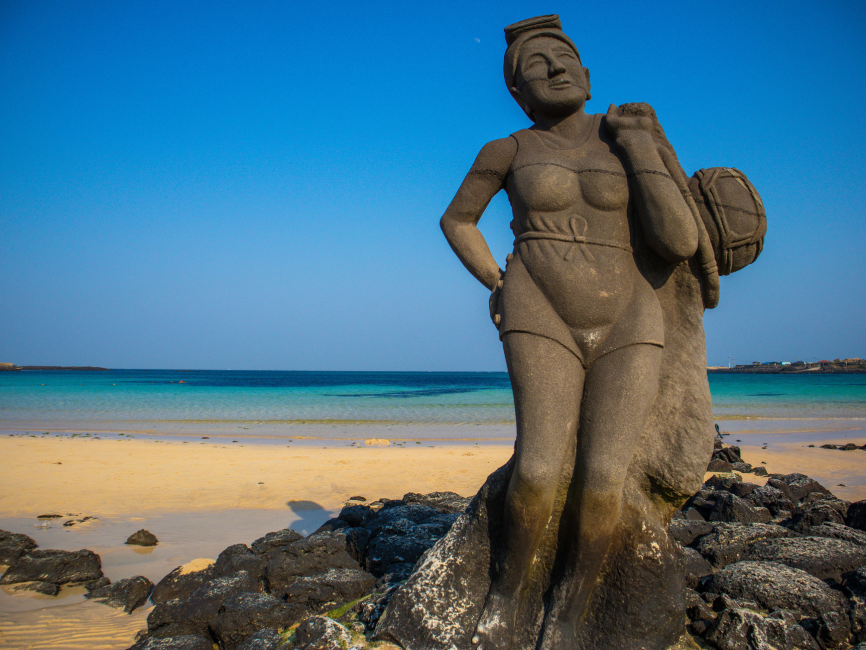
Additionally, you will notice the Dol Hareubang (Stone Grandfathers) scattered across the island. Carved from porous volcanic rock, these statues are believed to offer protection and fertility, serving as the silent guardians of Jeju’s villages.
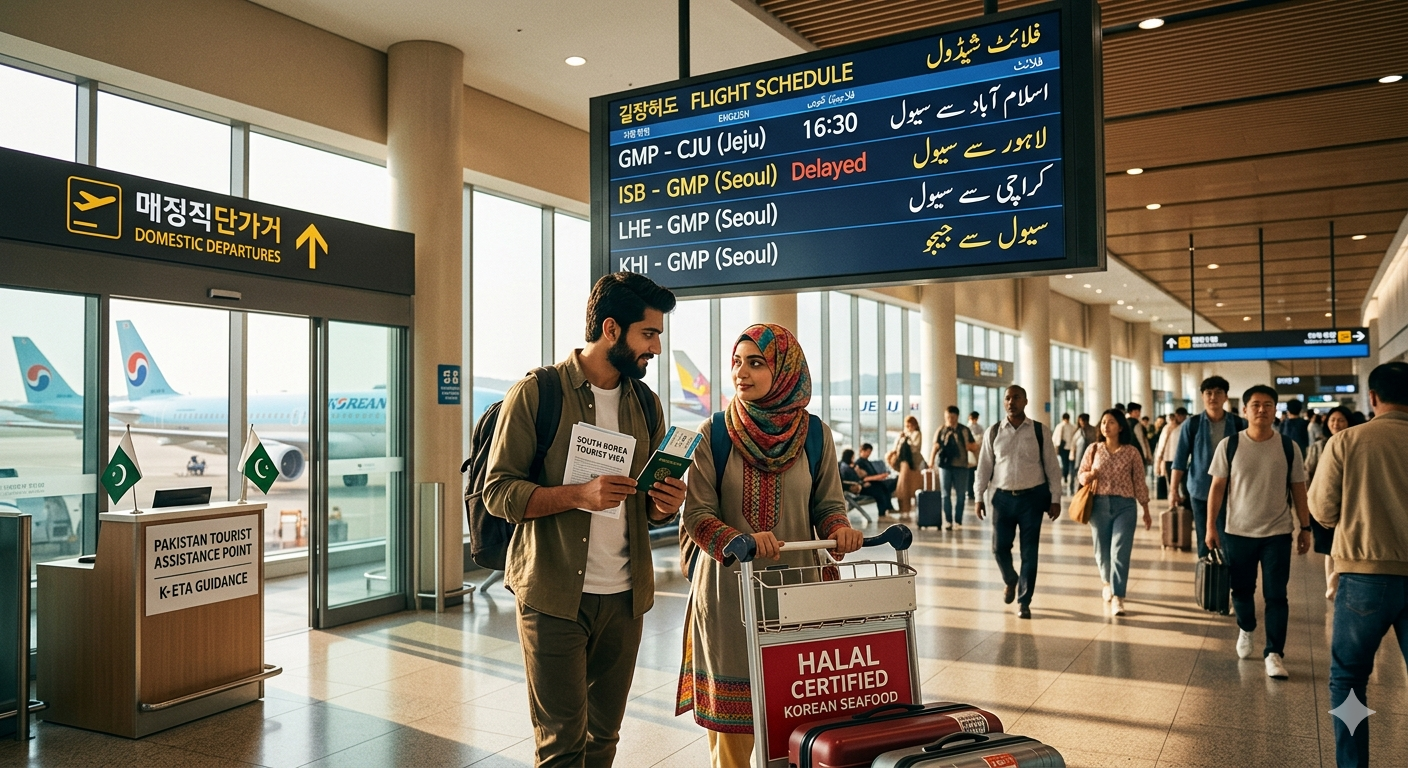
Critical Planning for Pakistani Tourists: Visa & Flights
For tourists traveling from Pakistan, navigating the logistics is key to a smooth trip.
The Visa Reality: Although Jeju historically offered "Visa-Free" entry, this primarily applies to direct international arrivals. Since most Pakistanis transit through Seoul (Incheon Airport), you must apply for a South Korean Tourist Visa (C-3) at the embassy in Islamabad or the consulate in Karachi. Ensure you have a solid bank statement and a confirmed itinerary.
Flight Routes: The most popular route from Pakistan is via Middle Eastern hubs. Airlines like Qatar Airways and Emirates offer excellent connections to Seoul. Once you land at Incheon, you can take the "Airport Railroad" to Gimpo Airport, where domestic flights to Jeju take off every 15 to 20 minutes.
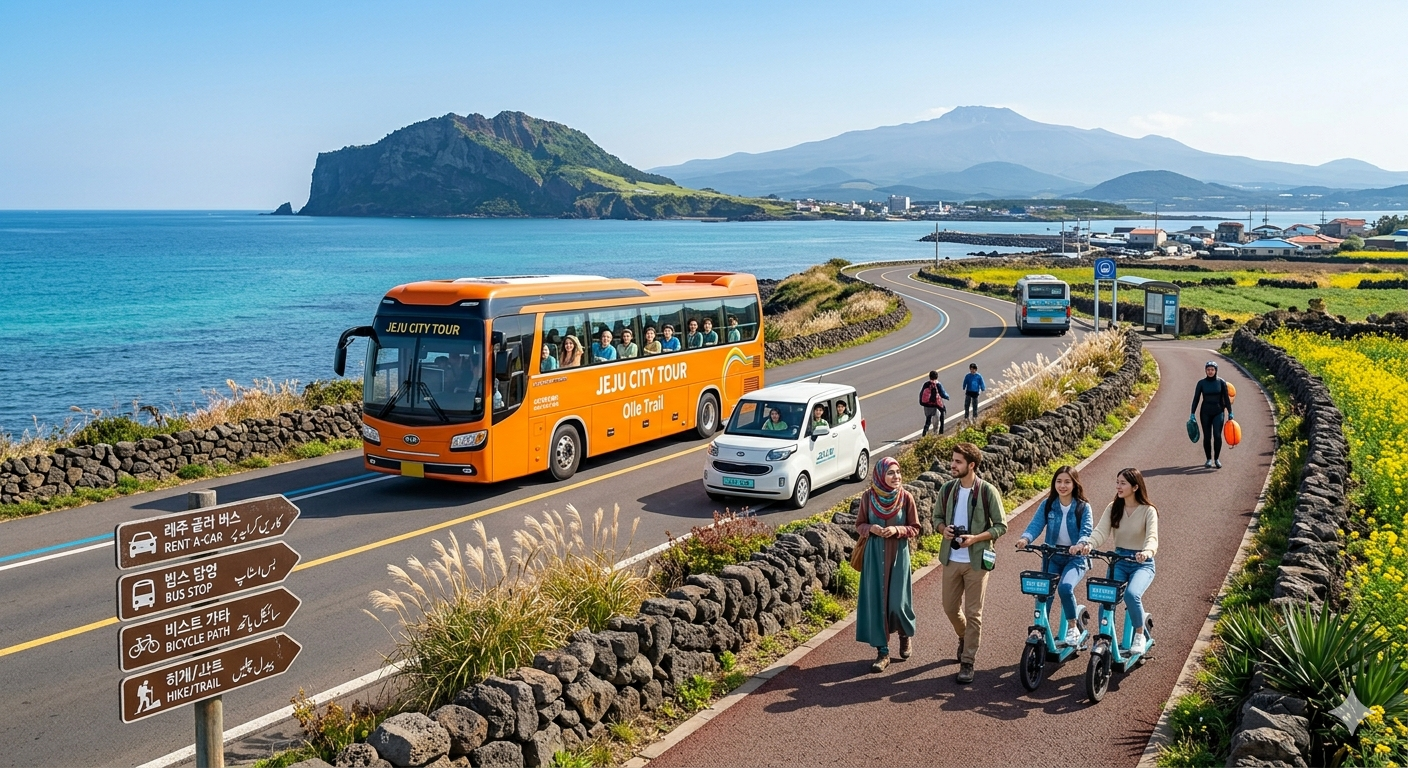
On-Island Transport: While public buses are efficient, the best way to experience Jeju’s hidden waterfalls and remote cafes is by renting a car. To do this, you must obtain an International Driving Permit (IDP) from your local licensing authority in Pakistan before you leave.
Halal Living: Food and Prayer in Jeju
While South Korea is known for its barbecue, Jeju is a haven for those seeking Halal-friendly options.
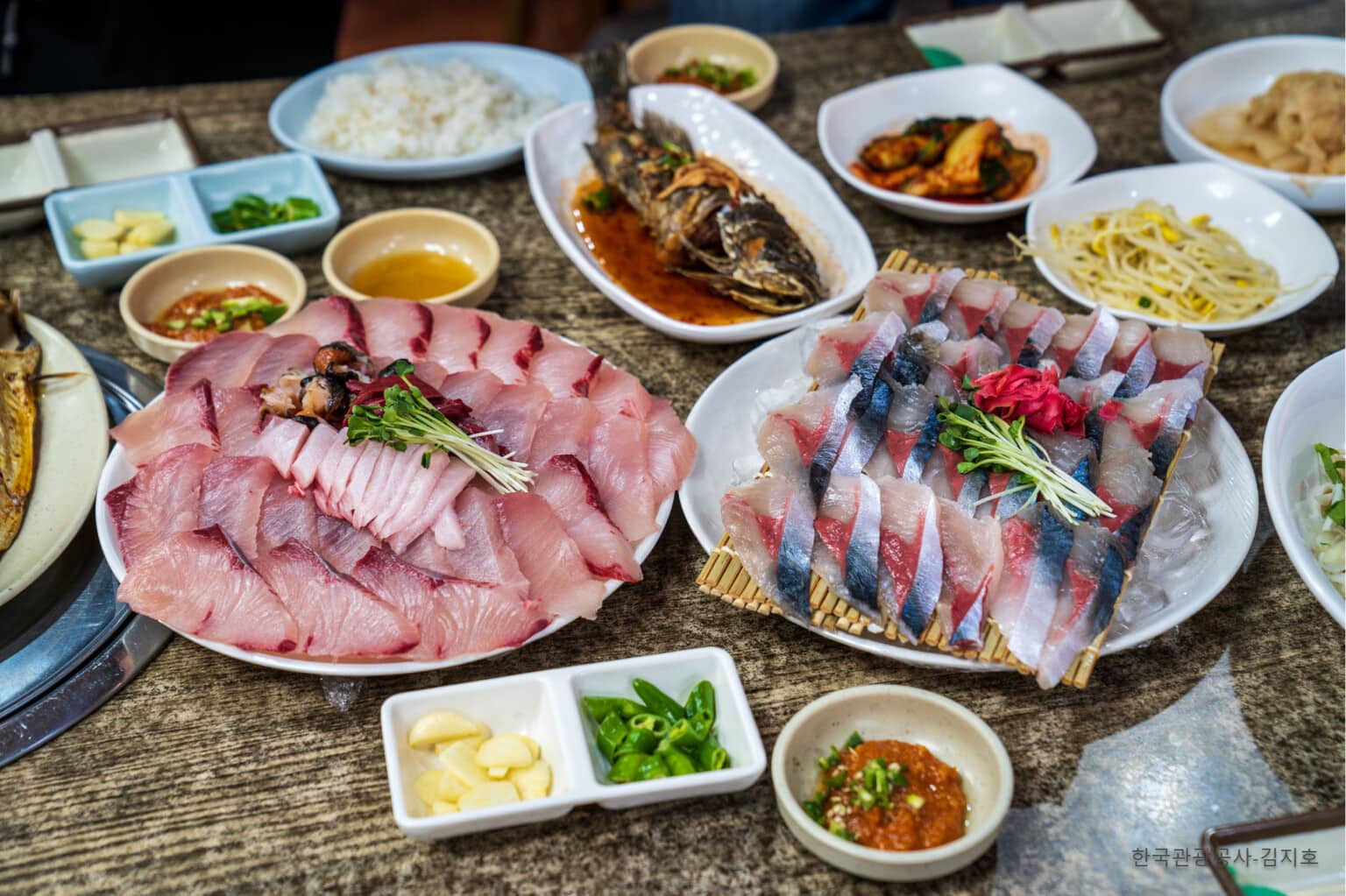
Seafood Abundance: From grilled hairtail fish to abalone porridge, the island’s seafood is fresh and naturally Halal.
Muslim-Friendly Dining: Areas like Jeju City and Jungmun Resort host Indian and Turkish restaurants (such as Rajmahal or Bagdad Cafe) that cater specifically to Muslim palettes.
Prayer Facilities: The Jeju Islamic Center serves as a hub for the small local Muslim community and provides information for travelers. Major attractions are also increasingly installing multi-faith prayer rooms.
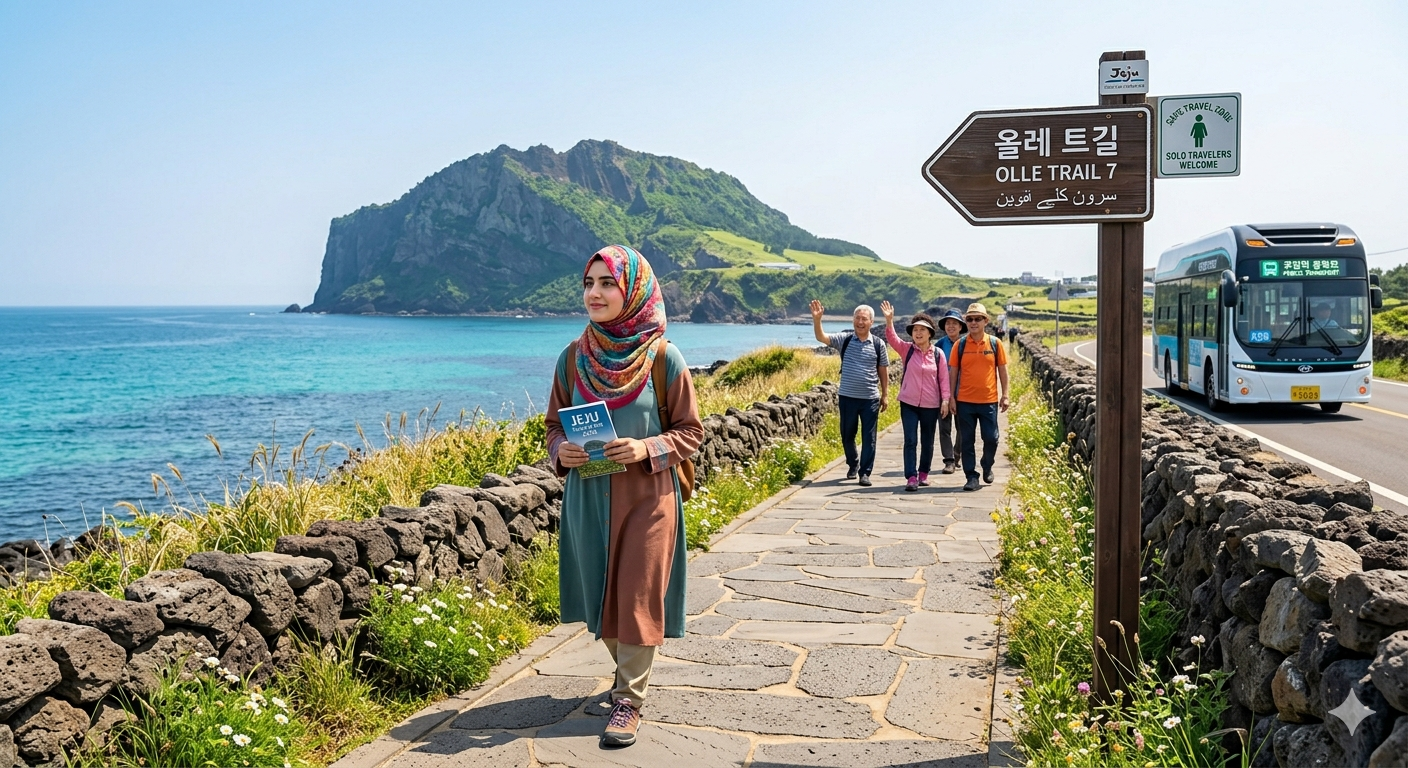
Is Jeju Island safe for solo female travelers from Pakistan? South Korea is ranked as one of the safest countries in the world. Female travelers can explore Jeju with complete peace of mind, even late at night. The local residents are helpful, and crime rates are exceptionally low.
How much does a 5-day trip to Jeju cost for a couple? Excluding international flights from Pakistan, a mid-range 5-day trip (hotels, car rental, and dining) typically costs between $800 to $1,200 (approx. 2.2 to 3.3 Lakh PKR). Budget options are available for those staying in guesthouses.
What should I pack for a Jeju trip? Pack comfortable hiking shoes for Hallasan and a light jacket, as the island is notoriously windy. If you visit in spring, bring a camera for the cherry blossoms, and in winter, be prepared for snow on the mountain peaks.













Responses (0)