
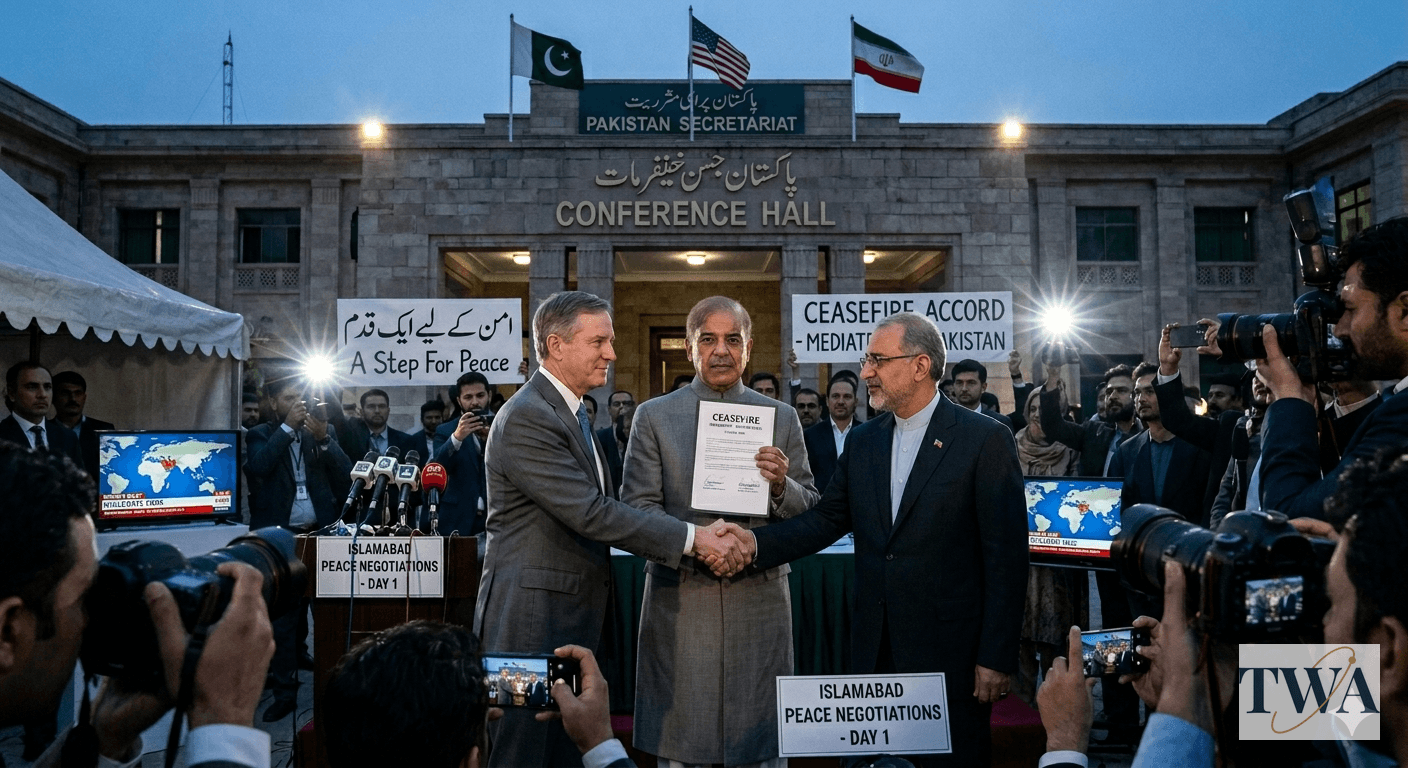
April 8, 2026. With less than an hour and a half remaining before the "deadline" for military action set by US President Donald Trump, the United States and Iran separately announced their acceptance of a ceasefire proposal put forward by Pakistan. The two sides are scheduled to begin two weeks of negotiations on April 10 in Islamabad, the Pakistani capital. Iran's Ambassador to Pakistan, Reza Moghadam, described Pakistan's mediation as "positive and productive," noting that the mediation efforts are entering a "critical and sensitive" stage.
What is the regional backdrop to Pakistan's mediation? What motivates Pakistan to actively mediate? What are the likely trends in post-ceasefire negotiations? Sichuan International Communication Center invited Zhang Chaozhe, Director of the Pakistan Study Center at Sichuan University and Associate Research Fellow at the China-South Asia Research Center, to provide analysis.
I. The Regional Background of Pakistan's Mediation
The US-Israeli war against Iran began with Opeartion Midnight Hammer launched by the US and Israel against Iran in June 2025. By the end of February 2026, the conflict had escalated once again. The war has now lasted more than 40 days and reached a stalemate. Although Iran has suffered heavy casualties and property damage, Mojtaba Khamenei, son of the late Supreme Leader Ayatollah Ali Khamenei, has smoothly assumed the supreme leadership of Iran, consolidating domestic unity and capacity for resistance. At the same time, Iran has blockaded the Strait of Hormuz, causing global energy prices to soar. The US-Israeli goal of overthrowing Iran's regime has not been achieved, and their actions have drawn widespread international criticism.

II. What Motivates Pakistan to Actively Mediate?
Pakistan has a long-standing and complex relationship with both the US and Iran. Pakistan is a close ally of Saudi Arabia, which in turn has a close relationship with the US. However, Pakistan also shares a long border with Iran and has significant economic and security interests in maintaining stability in the region. Pakistan is deeply concerned about the potential for the conflict to spill over into its territory, particularly given the presence of militant groups operating along the border. Furthermore, Pakistan is a major importer of energy and is heavily reliant on stable energy supplies from the Middle East. The disruption of energy supplies caused by the conflict would have a significant negative impact on the Pakistani economy. Therefore, Pakistan has a strong incentive to mediate a ceasefire and de-escalate the conflict.
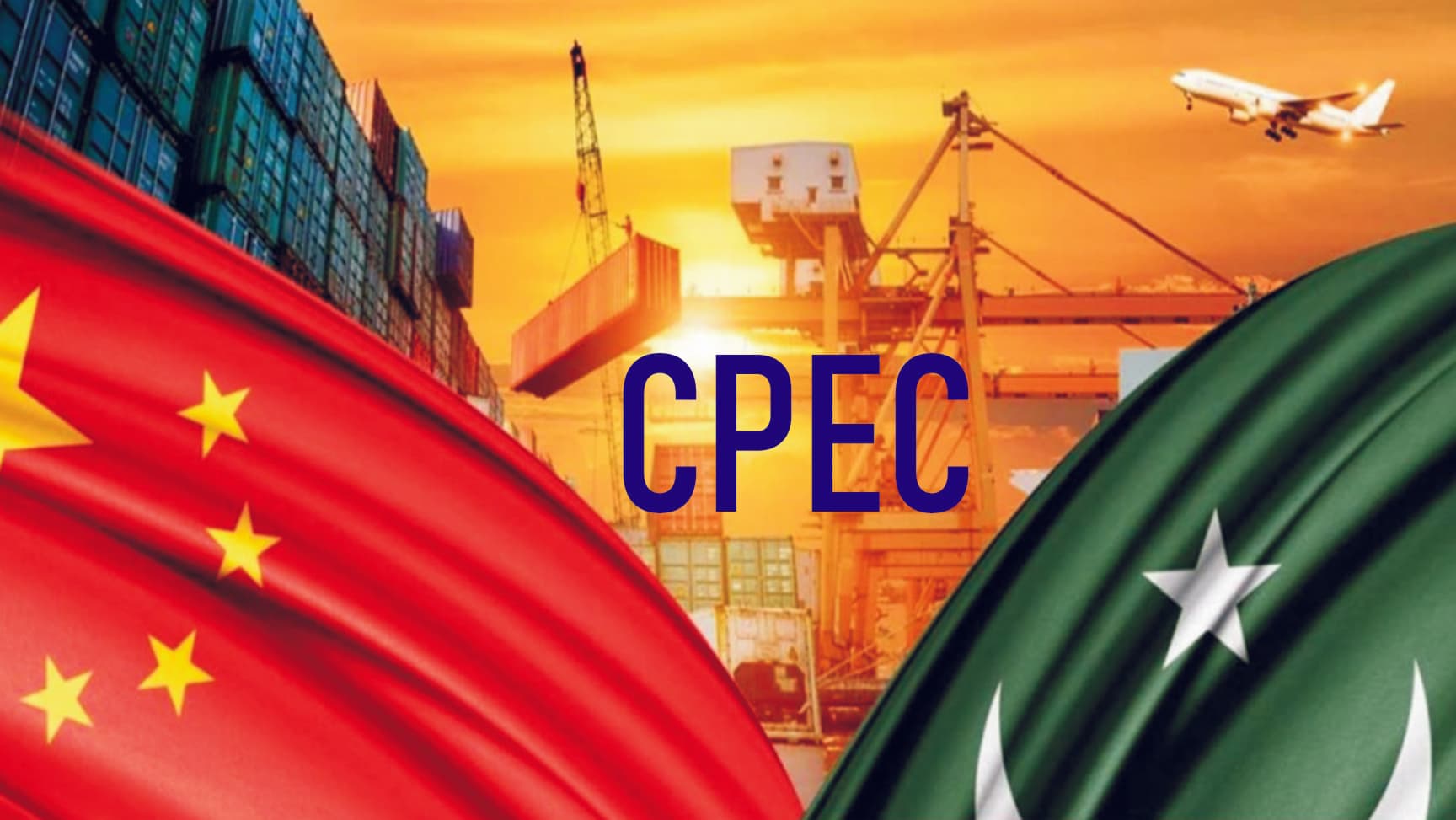
In addition, Pakistan has been actively promoting itself as a regional peacemaker and has successfully mediated conflicts in the past. Pakistan sees itself as having a unique ability to engage with both the US and Iran, given its close ties to both countries. Pakistan's mediation efforts are also supported by China, which has a strong strategic partnership with Pakistan and shares a common interest in maintaining stability in the region.












回复 (0)