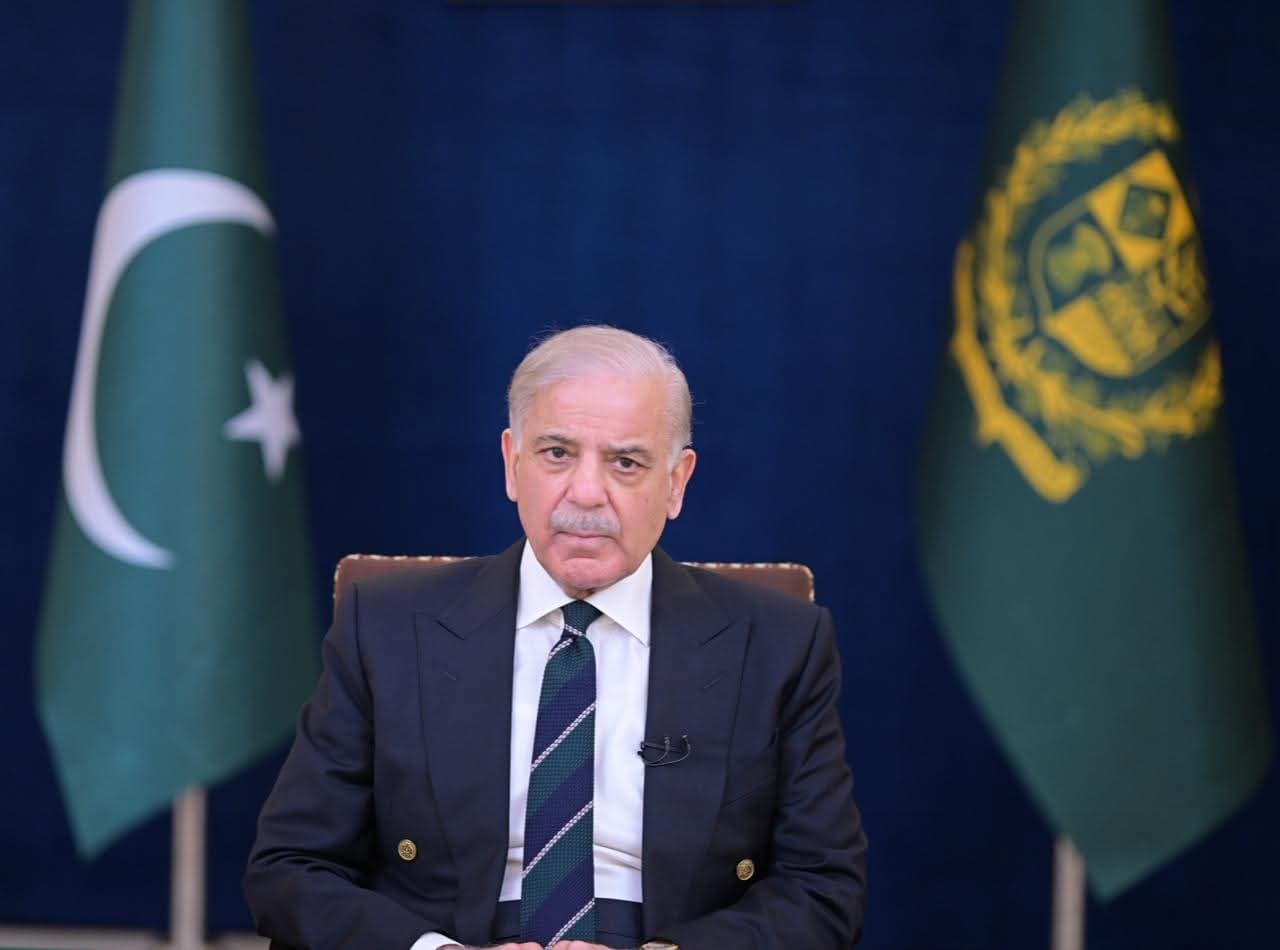
ISLAMABAD, PAKISTAN — The government of Shehbaz Sharif has announced a series of sweeping austerity and energy-saving measures aimed at tackling the country’s deepening power crisis and conserving fuel amid rising regional tensions.
In a televised address to the nation, the prime minister said the government had taken “important and immediate decisions” to reduce energy consumption across public and private sectors.
Under the new policy, government offices will operate only four days a week, while 50 percent of employees in most public and private institutions will work from home. Schools across the country will also be closed for two weeks, after which classes will continue through online learning.
Sharif said he was addressing the nation at a time when the region faces “serious and dangerous challenges,” warning that threats to peace are a growing concern for all countries.
He also highlighted Pakistan’s security situation along its western borders, saying the country continues to face terrorism. According to the prime minister, Pakistan’s armed forces are working under their leadership to safeguard the country’s sovereignty and security.
During the address, Sharif expressed deep sorrow over the reported martyrdom of Ali Khamenei and members of his family, conveying Pakistan’s condolences.
The prime minister further condemned recent attacks on several Gulf states, including Saudi Arabia, Kuwait, Qatar, and Bahrain, warning that such assaults pose serious threats to regional stability. Pakistan, he said, stands “shoulder to shoulder” with these countries and considers their security closely tied to its own.
Fuel and Government Spending Cuts
As part of the energy conservation plan, the government will cut fuel allocations for official vehicles by 50 percent for the next two months, excluding ambulances and public transport buses. In addition, 60 percent of government vehicles will remain off the roads during the same period.
The government also announced several financial austerity measures. Cabinet members, ministers, advisers, and special assistants will forgo their salaries for two months, while members of parliament will face a 25 percent salary reduction.
Senior government officials in Grade 20 and above, earning more than 300,000 rupees per month, will have two days’ salary deducted to support public relief initiatives.
The prime minister said that non-salary expenditures across government departments will be reduced by 20 percent, while purchases of vehicles, furniture, air conditioners, and other equipment for government offices have been banned.
Travel and Official Event Restrictions
Foreign travel by federal and provincial ministers, governors, advisers, and senior officials will also be suspended, except for essential visits related to national interests.
Government institutions have been instructed to prioritize teleconferences and online meetings, while official dinners and iftar receptions funded by the state have been completely banned.
Seminars and conferences organized by the government will now be held at official venues instead of hotels to reduce expenses.
Sharif concluded by reiterating that half of the workforce in both public and private sectors — except for essential services — will work remotely over the coming months as part of the broader energy-saving strategy.


Responses (0)