


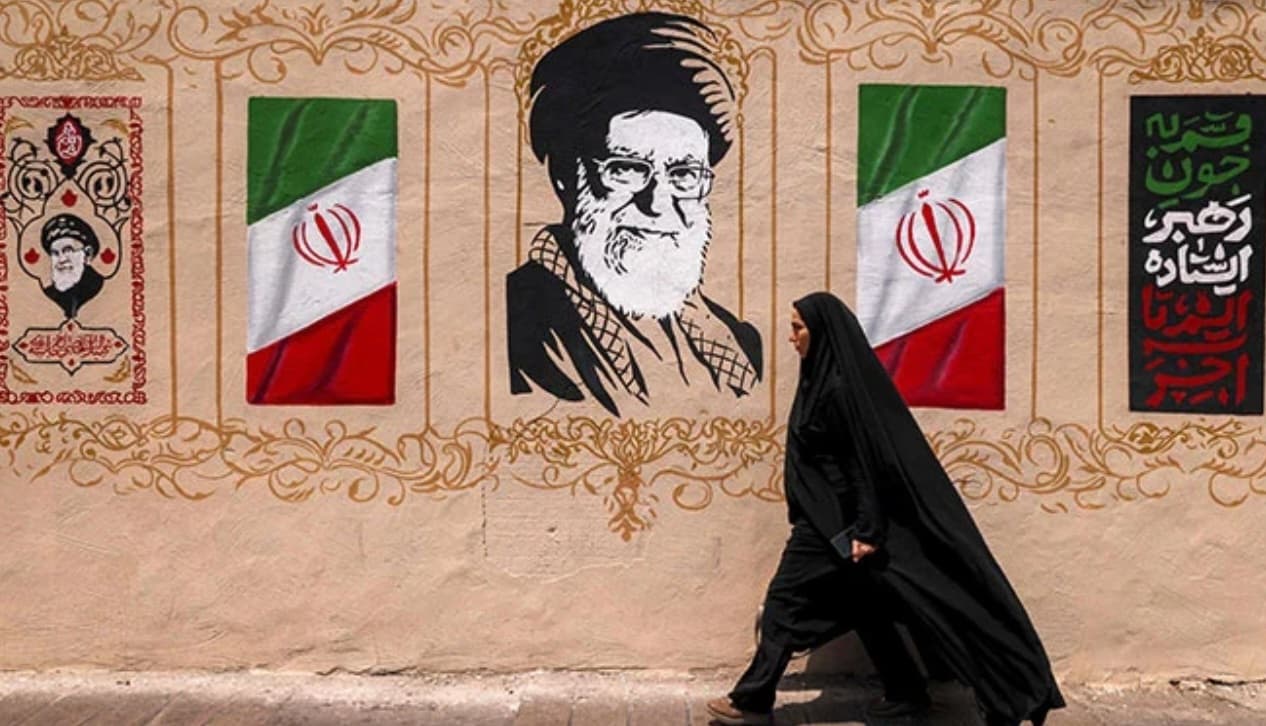
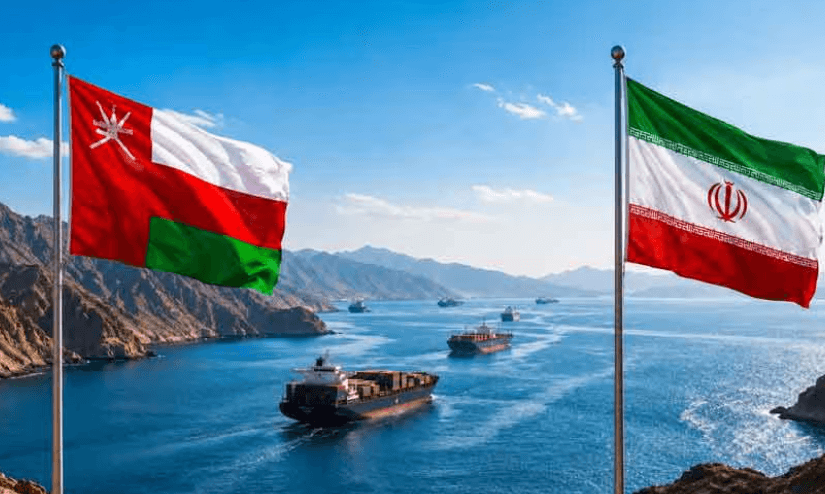
Iran set preconditions for a reopening of the Strait of Hormuz, including compensation for war damages, complicating a potential deal to open the waterway essential to the world economy.
Tehran has imposed an effective blockade of the strait since the United States and Israel struck Iran in late February, and wants to charge tolls for passage, attacking ships it accuses of attempting to circumvent its preferred route.
Continued attacks in the strait, which was free to transit before the war, led to the collapse of an April ceasefire. Mediators have since urged both sides to return to the terms of a June memorandum.
Iranian Foreign Minister Abbas Araghchi said discussions with Oman over transit and management of the strait were "approaching the final stages", but added the reopening of Hormuz "is subject to other conditions and compensation for the violation" of the June agreement.
Security chief Mohammad Baqer Zolqadr on Saturday laid out a list of demands for reopening the strait, including an end to the "war and aggression against Iran and its allies in Lebanon, Palestine, Yemen, and Iraq".
He also demanded the lifting of a parallel US naval blockade of Iran, the end of sanctions, the release of frozen assets and compensation for wartime damage, according to remarks reported by Tasnim news agency.
Iran's Revolutionary Guards, meanwhile, said Hormuz's reopening had "nothing to do with the negotiations between Iran and Oman", adding that the "enemy is forced to accept Iran's conditions for the opening of the strait".
Repeated attacks
The comments came as transit through Hormuz has dropped significantly, with Iran targeting ships it accuses of skirting its preferred route through Iranian waters.









回复 (0)