


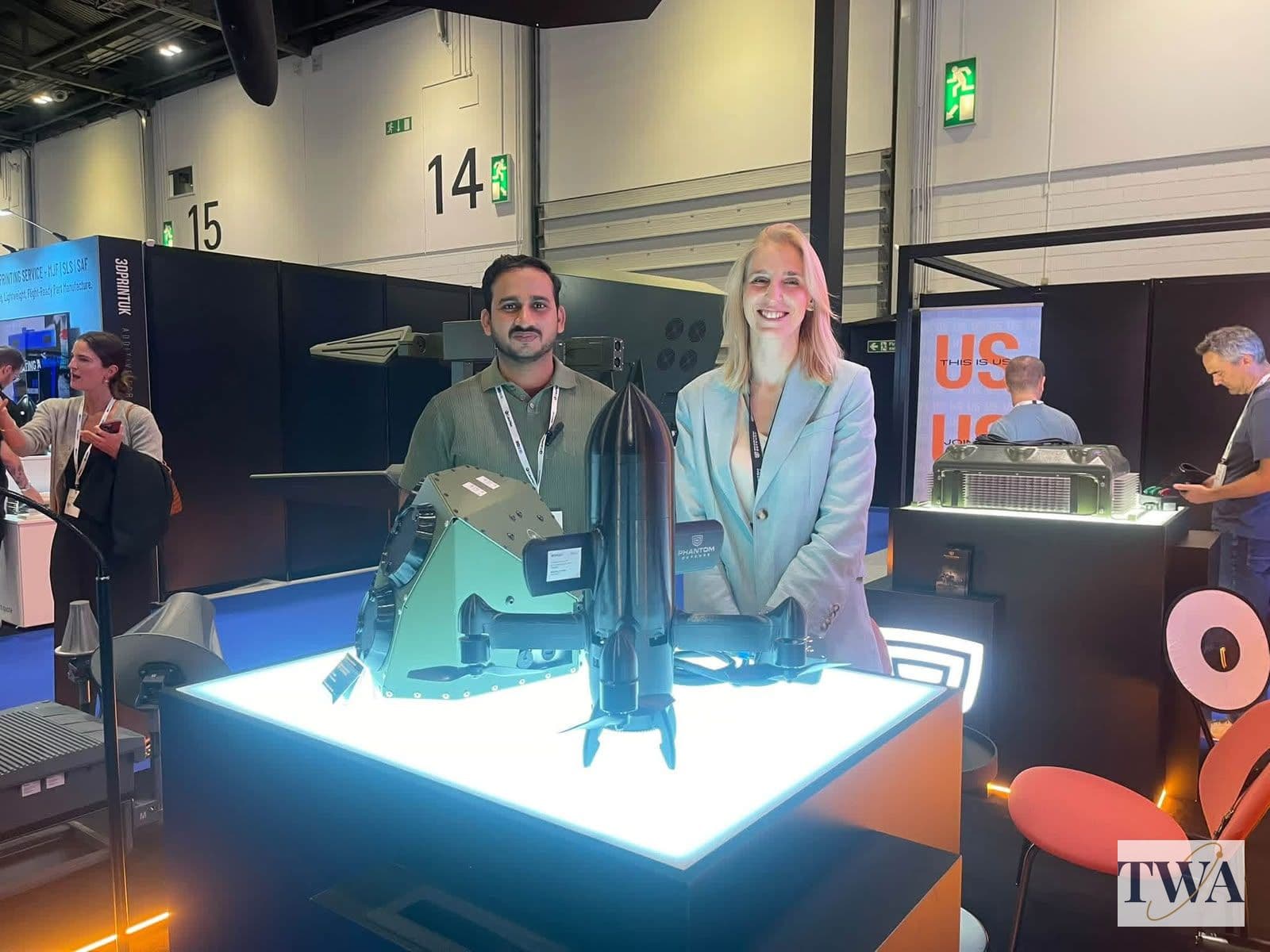
London became a centre for the uncrewed technology industry as DroneX 2026 took place at ExCeL London on 29–30 September. The event brought together technology companies, industry professionals, regulators and users to look at how drones and other uncrewed systems are moving from testing into real-world applications.
The event covered four main areas: commercial technology, emergency services, defence and the future of flight. More than 4,000 professional visitors were expected, with exhibitors showcasing hardware, software, components and other technologies supporting the growing uncrewed systems sector.
A closer look at drone technology
Walking around the exhibition, one of the most noticeable things was the variety of technologies being developed around drones.
The industry is no longer focused only on the aircraft themselves. Companies are also developing batteries, sensors, software, communications systems, navigation technology and other components that allow uncrewed systems to perform more complex tasks.
The event included more than 50 hours of expert sessions covering commercial operations, surveillance, future flight and wider developments in autonomous technology.
Drones moving into everyday work
One of the key messages from DroneX 2026 was that drones are increasingly being considered for practical uses across different industries.
Applications include inspection, surveying, infrastructure, agriculture, emergency response and logistics. The event also looked at the development of future flight technologies and autonomous systems.
This shows how the drone industry is developing beyond recreational flying. Businesses and public-sector organisations are increasingly interested in how uncrewed technology can help people collect information, inspect difficult-to-reach locations and carry out certain tasks more efficiently.
Regulation and safety
Technology is only one part of the story.
As drones become more widely used, regulators and industry leaders also have to consider how they can safely operate alongside existing aviation systems.
Sessions at DroneX included discussions about regulation, airspace integration and the future development of the UK drone industry. Speakers included representatives from organisations such as the UK Civil Aviation Authority, NATS, the Department for Transport and the US Federal Aviation Administration.
For me, this was an important part of the event. Innovation needs to develop alongside clear rules and responsible use.
The future of flight
DroneX also looked beyond today's drone technology.
Discussions covered areas such as advanced air mobility, autonomous logistics, drone delivery and other forms of uncrewed transport. These technologies could eventually change how goods, services and information are moved.
However, many of these developments still need further testing, investment, regulation and public acceptance before they become part of everyday life.
My experience as a technology journalist
Attending DroneX 2026 gave me an interesting opportunity to see how quickly the uncrewed technology sector is developing.
What stood out to me was the move towards practical applications. The conversation was not simply about flying drones; it was about how different technologies can work together to solve real problems.
The event also showed that the future of drones will depend on more than better aircraft. Software, AI, sensors, batteries, communications, regulation and skilled people will all play an important role.
DroneX 2026 provided a useful snapshot of an industry that is developing quickly. From commercial applications to future flight, the technology on display suggested that uncrewed systems are becoming an increasingly important part of the wider technology landscape.
For me, the biggest takeaway was simple: the future of uncrewed technology is moving from the laboratory and testing environment towards real-world use.













回复 (0)