

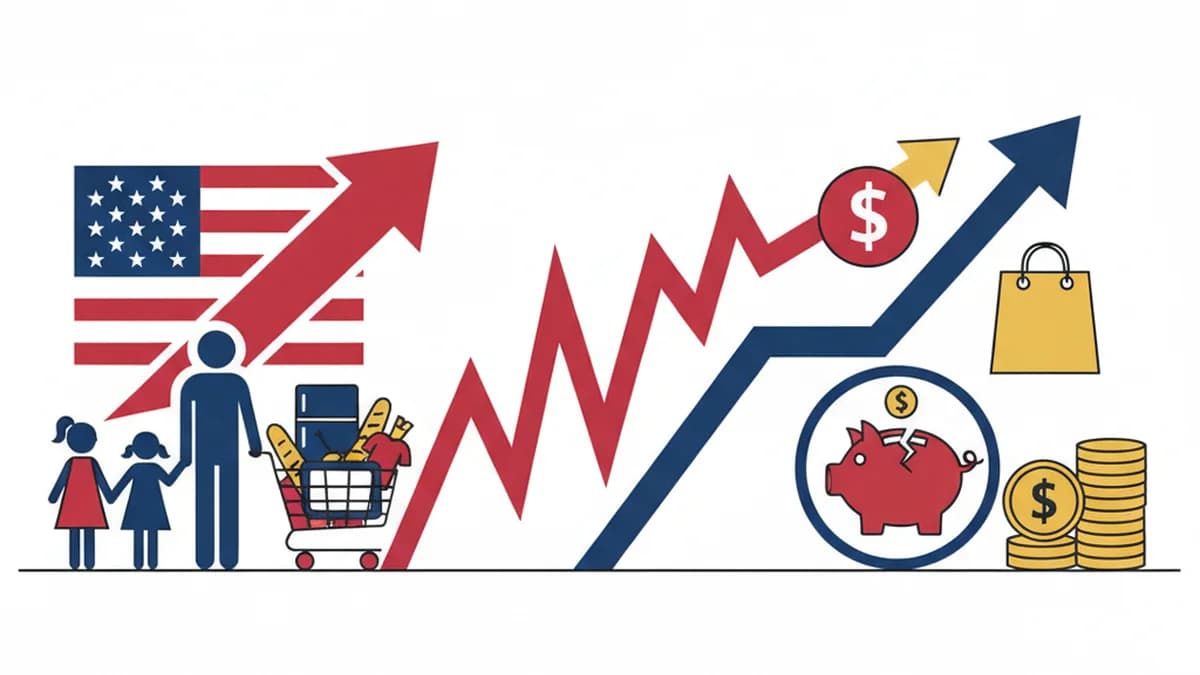
American households have collectively paid an additional $1,000 for everyday goods over the past year, a direct consequence of widespread US tariffs implemented by the previous administration. This financial strain has disproportionately impacted lower-income families, who now face steeper economic burdens.
New economic analysis highlights how these import duties have translated into higher consumer prices across the nation. The additional costs reflect a broad increase in the price of imported goods, which businesses often pass on to consumers.
Understanding the Economic Burden
The cumulative effect of these trade barriers has placed a substantial financial load on American families. Experts indicate that the tariffs, initially intended to protect domestic industries, have instead functioned as a hidden tax on consumers.
This rise in expenses affects a wide range of products, from electronics to clothing and household staples. Businesses importing these goods must pay the tariffs, leading to increased retail prices for the end-user. (according to Reuters)
Disproportionate Impact on Vulnerable Families
Data indicates that families with lower incomes have been hit hardest by these escalating costs. A larger portion of their disposable income is typically spent on essential goods, making them more susceptible to price fluctuations caused by tariffs. (according to BBC News)
Economists emphasize that the burden of these tariffs is regressive, meaning it consumes a greater percentage of income from those earning less. This trend exacerbates existing economic inequalities within the United States.
Reference: Al Jazeera – Breaking News, World News and Video from Al Jazeera

















جوابات (0)