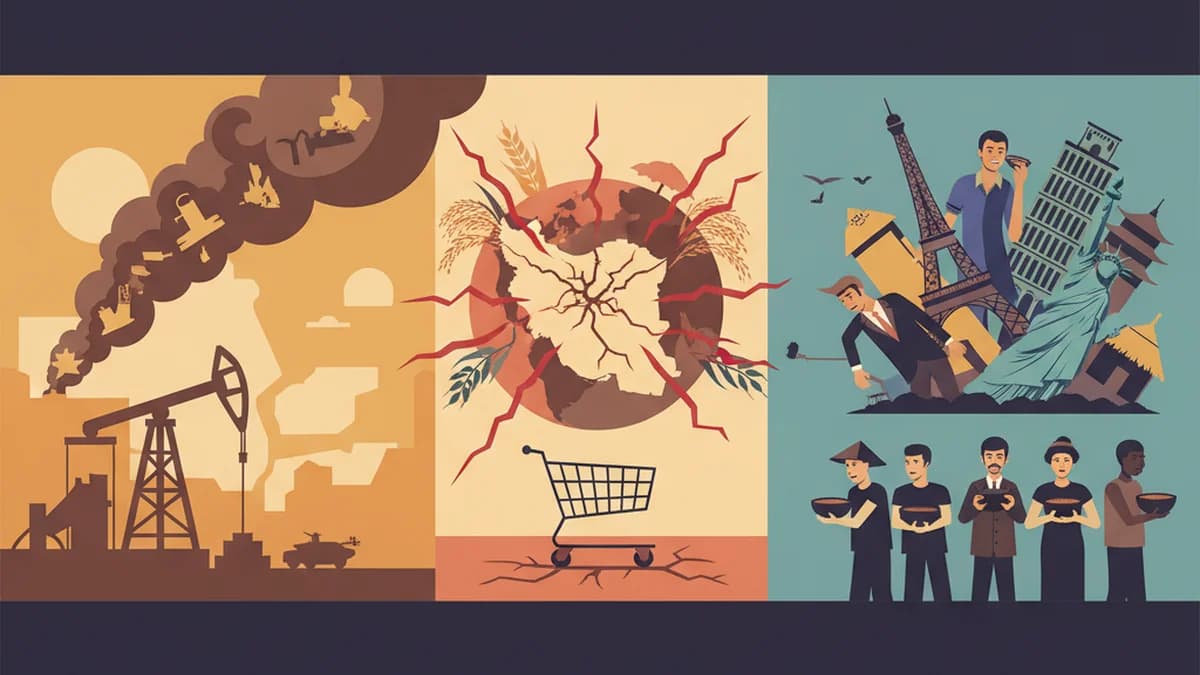
Mounting geopolitical tensions surrounding the Iran conflict are fueling significant apprehension among international analysts, who warn of a potential global food shock. This volatile situation threatens to severely disrupt intricate worldwide supply chains, impacting everything from raw material production to consumer access on supermarket shelves.
Understanding the Potential for a Global Food Shock
The strategic importance of the Middle East, particularly the Strait of Hormuz, is paramount for global trade. Any escalation in the Iran conflict risks impeding vital shipping lanes, through which a substantial portion of the world's oil and gas transits. Such disruptions would invariably lead to a sharp increase in energy prices.
Higher energy costs have a cascading effect on the agricultural sector. They directly inflate the price of essential inputs like fertilizers, which rely heavily on natural gas production, and significantly raise transportation expenses for moving food products from farms to markets across continents. (according to Al Jazeera)
Impact on Commodity Markets and Consumer Prices
A prolonged or intensified conflict could trigger immediate volatility in global commodity markets. Prices for staple grains, edible oils, and other key foodstuffs are highly susceptible to supply chain shocks and increased logistical costs. This upward pressure on prices would disproportionately affect vulnerable populations. (according to Reuters)
Nations heavily dependent on food imports would face severe economic strain, potentially leading to widespread food insecurity. The cumulative effect of these disruptions could reshape global trade patterns and exacerbate existing inflationary pressures, making the prospect of a widespread global food shock a critical concern for policymakers worldwide.
Reference: Al Jazeera – Breaking News, World News and Video from Al Jazeera










جوابات (0)