
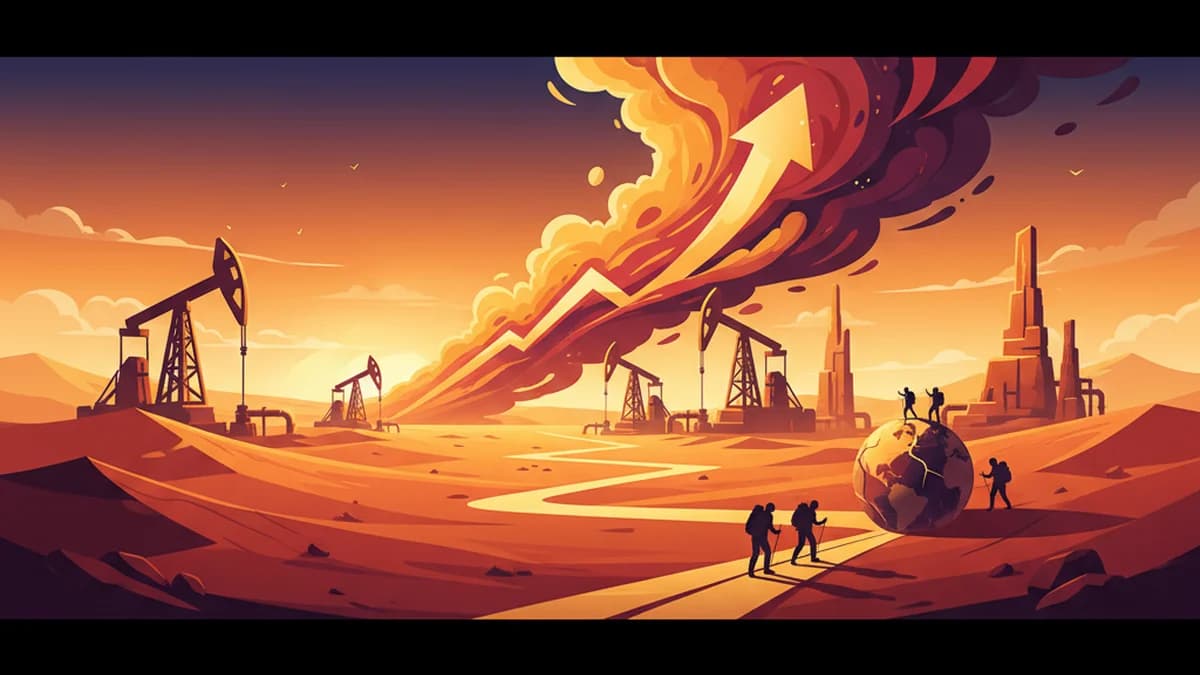
The ongoing conflict in Iran is dramatically disrupting global energy supplies, sending prices soaring and escalating concerns among major economies. This volatile situation now poses a significant threat of a global recession, as nations worldwide grapple with the economic fallout.
Escalating Energy Prices Stoke Global Recession Fears
The current instability in the Middle East directly impacts the world's oil markets, leading to sharp increases in crude oil and natural gas costs. These rising energy expenses act as a significant drag on economic growth, impacting both industrial production and consumer spending across continents.
Economists are closely monitoring the ripple effects on key economic powers. The United States faces potential inflationary pressures and a slowdown in consumer activity, while Europe contends with higher import costs and energy security challenges. China, a massive energy consumer, could see its manufacturing sector challenged by sustained elevated prices, further dampening global trade. (according to Lonely Planet)
Navigating Economic Headwinds
The immediate concern for policymakers revolves around containing inflation and preventing a severe economic downturn. Central banks worldwide might face difficult decisions regarding interest rates, balancing the need to curb rising prices against the risk of stifling already fragile growth. (according to National Geographic Travel)
Businesses are already feeling the squeeze from increased operational costs, potentially leading to reduced investment and hiring freezes. Consumers, facing higher fuel and utility bills, may cut back on discretionary spending, creating a compounding effect that could accelerate a slide towards a global recession. The interconnectedness of global markets means that disruption in one critical region can quickly propagate, creating widespread economic instability.
Reference: Al Jazeera – Breaking News, World News and Video from Al Jazeera











جوابات (0)