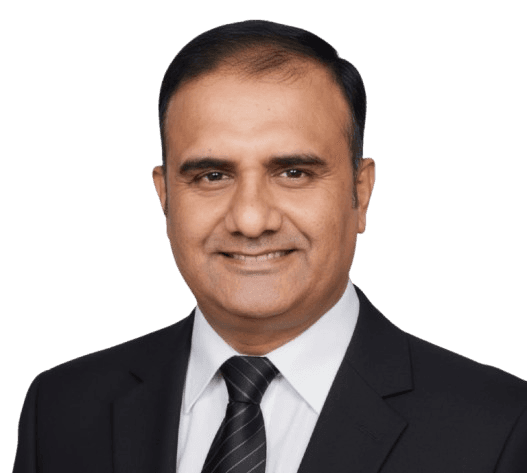
ISLAMABAD, Pakistan — The Pakistan Dairy Association (PDA) officially presented its comprehensive Budget Proposal 2026 during a high-level press briefing at the Islamabad Press Club today, demanding urgent dairy sector reforms to combat the country's worsening nutrition crisis and formalize the economy. The association urged the government to recognize the dairy industry as a strategic driver of national development and public health in the upcoming fiscal cycle.
Despite Pakistan ranking as the world’s fourth-largest milk producer—generating 72.4 billion liters annually—the critical sector remains 95% informal, underproductive, and underregulated. Speaking at the briefing, Dr. Shehzad Amin, CEO of the Pakistan Dairy Association, emphasized that access to safe and affordable dairy is a fundamental right. He revealed that malnutrition costs Pakistan roughly US$7.6 billion annually (3% of GDP), while nearly 40% of children under five suffer from stunting.
Unlocking a PKR 7.5 Trillion Tax Base
The PDA highlighted that the dairy industry is the backbone of the rural economy, contributing 14.7% to national GDP and 65% to agricultural GDP. The sector currently supports nearly 10 million rural households and 50 million livelihoods across the country.
Mr. Usman Zaheer Ahmad, Chairman of the PDA and CEO of Fauji Foods, explained that formalizing just 50% of the tradeable milk market would create a massive taxable base of approximately PKR 7.5 trillion. This transition could generate over PKR 1,300 billion in GST potential while simultaneously boosting farmer incomes.
"High taxation makes safe milk less affordable, pushes consumers toward unsafe loose milk, and strengthens the informal economy." — Pakistan Dairy Association statement
The Triple-Win Reform Agenda
The association raised serious concerns over Pakistan’s 18% GST on liquid and powder milk, which ranks among the highest globally. In contrast, most nations apply a 0–5% tax rate on milk, treating it as an essential nutritional commodity.
To rectify these market inefficiencies, the PDA proposed a "Triple-Win Reform Agenda" featuring several key legislative and economic measures:
Tax Relief: A reduction of GST on packaged milk from 18% to 10% starting July 2026.
Market Liberalization: The immediate removal of artificial price caps on dairy products.
Infrastructure Incentives: Reduced import duties on dairy processing and cold chain equipment, alongside subsidized energy tariffs for processors.
Regulatory Enforcement: Nationwide implementation of the Minimum Pasteurization Law, alongside "Safe Milk" pilot initiatives in Islamabad and Lahore.
Supply Chain Investment: Targeted investments in farmer productivity through advanced genetics, balanced animal feeding, silage, and preventive veterinary services.
Climate Resilience and Food Safety
The PDA noted that climate change, inadequate cold chain infrastructure, and informal distribution channels currently cause severe milk losses and heightened food safety risks. Transitioning to a regulated, formal sector ensures that packaged milk undergoes strict quality checks, proper cold chain management, and pasteurization before reaching Pakistani households.
The association concluded by urging policymakers to prioritize these dairy sector reforms in the upcoming federal budget to safeguard public health, foster climate resilience, and ensure long-term fiscal sustainability.











جوابات (0)