


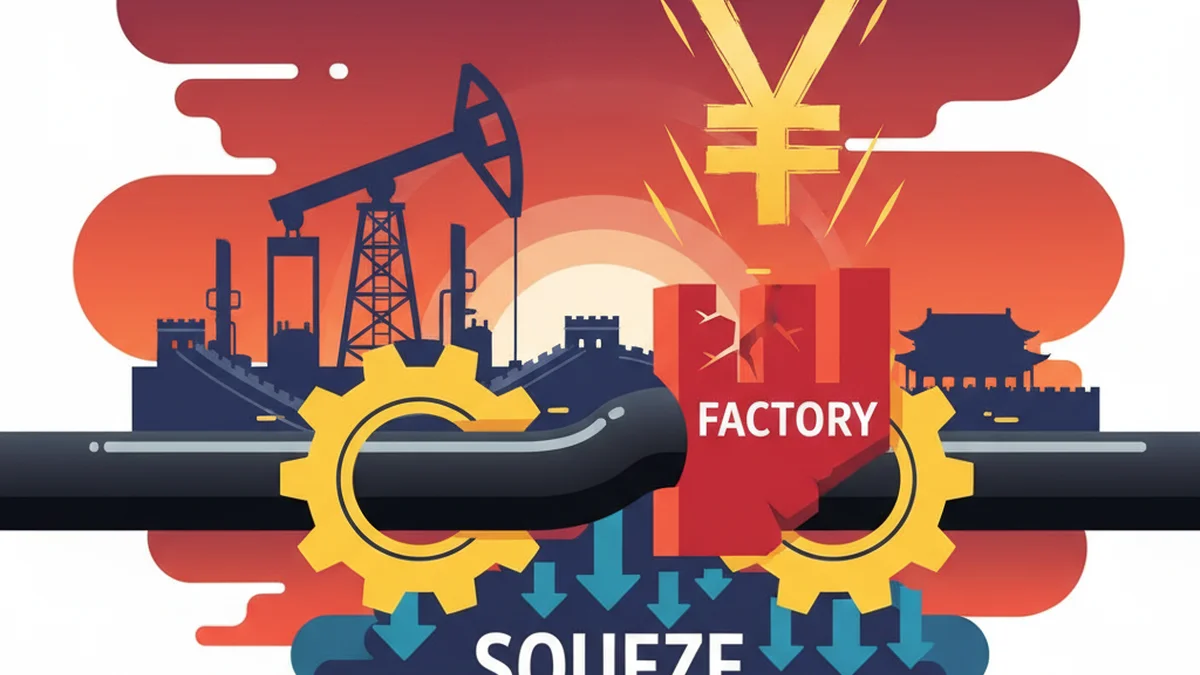
Independent facilities, often dubbed "teapots," are facing significant financial pressure. These China oil refineries, crucial for the nation's energy supply, convert raw crude into essential fuels. However, surging global crude oil prices now threaten their already razor-thin profit margins.
The struggle intensified as international crude benchmarks climb, directly impacting the operational viability of these smaller, privately-owned refiners. Their business model relies heavily on acquiring cheaper crude, making them particularly vulnerable to market volatility.
Rising Costs Challenge China Oil Refineries
These refineries form a vital bulwark of China's energy security. They ensure a steady flow of refined products across the vast country, contributing significantly to domestic fuel needs. Yet, the current economic climate is testing their resilience.
Profitability is eroding rapidly for many "teapot" operations. The difference between the cost of crude oil and the price of refined products has narrowed considerably, leaving little room for error or unexpected expenses. (according to Reuters)
Strategic Importance Amidst Economic Strain
Despite their critical role, the towns housing these industrial hubs often present a deceptively quiet facade. Highways see consistent traffic of oil tankers, moving vital resources. However, local commerce, indicated by boarded-up shops and sparsely populated eateries, suggests a past vibrancy now subdued. (according to BBC News)
The ongoing strain on these independent refiners poses a broader question for China's economic planners. Maintaining their operational health is key to ensuring stable domestic energy supplies and mitigating potential disruptions in the global market.
Reference: World news | The Guardian

















جوابات (0)