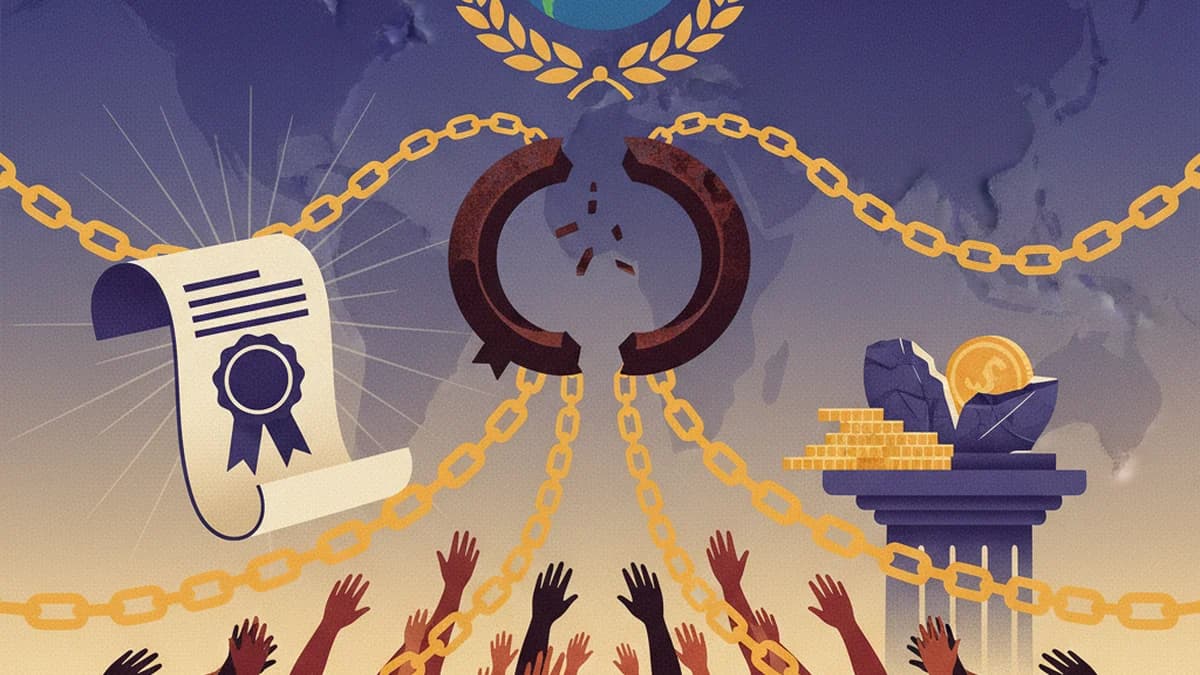
The United Nations General Assembly has officially recognized transatlantic chattel slavery as "the gravest crime against humanity," a landmark decision that significantly energizes the global movement for slavery reparations. This historic resolution, achieved despite considerable opposition, marks a pivotal moment in acknowledging centuries of profound injustice. Ghana's President John Mahama played a crucial role in rallying international support for the resolution's ratification.
Landmark UN Vote Affirms "Gravest Crime"
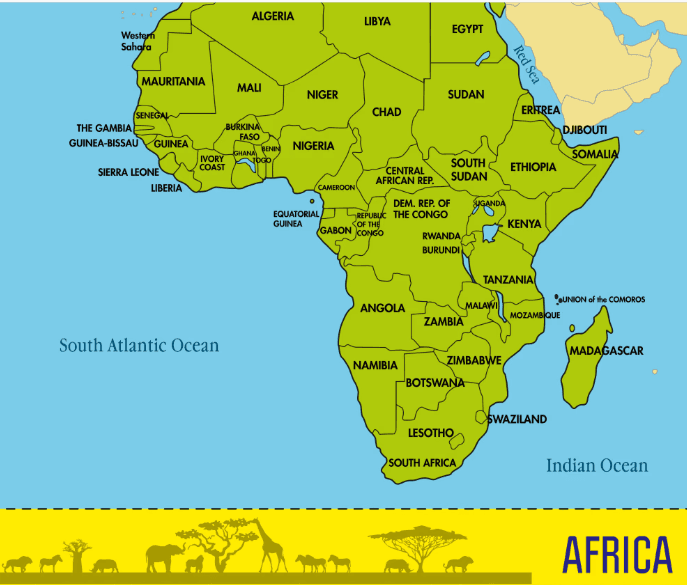
The resolution passed with a decisive majority, reflecting widespread support across the African continent. This declaration specifically condemns the practice that forcibly enslaved over 15 million individuals across 400 years. However, the vote's detailed tally reveals persistent divisions among nations, particularly from some states historically involved in chattel slavery who resisted the strong wording.
President Mahama, fresh from a remarkable electoral comeback in Ghana, spearheaded efforts to garner worldwide backing. His advocacy helped overcome resistance from Western entities that historically profited from the slave trade. The resolution's passage is seen as a moral victory for advocates of historical justice. (according to Reuters)
African Union Accelerates Push for Slavery Reparations
This powerful UN affirmation provides substantial momentum to the African Union's ongoing campaign for slavery reparations. Leaders across Africa view the resolution as a critical endorsement of their long-standing demands for restorative justice. The ruling is expected to bolster calls for tangible actions and compensations for the enduring legacies of the transatlantic slave trade. (according to BBC News)
The African Union has consistently argued that the systemic exploitation of human lives profoundly impacted the continent's development and wealth. With the UN now formally acknowledging the unparalleled severity of this historical crime, the push for meaningful reparations is poised to intensify on the international stage.
Reference: World news | The Guardian






Responses (0)