
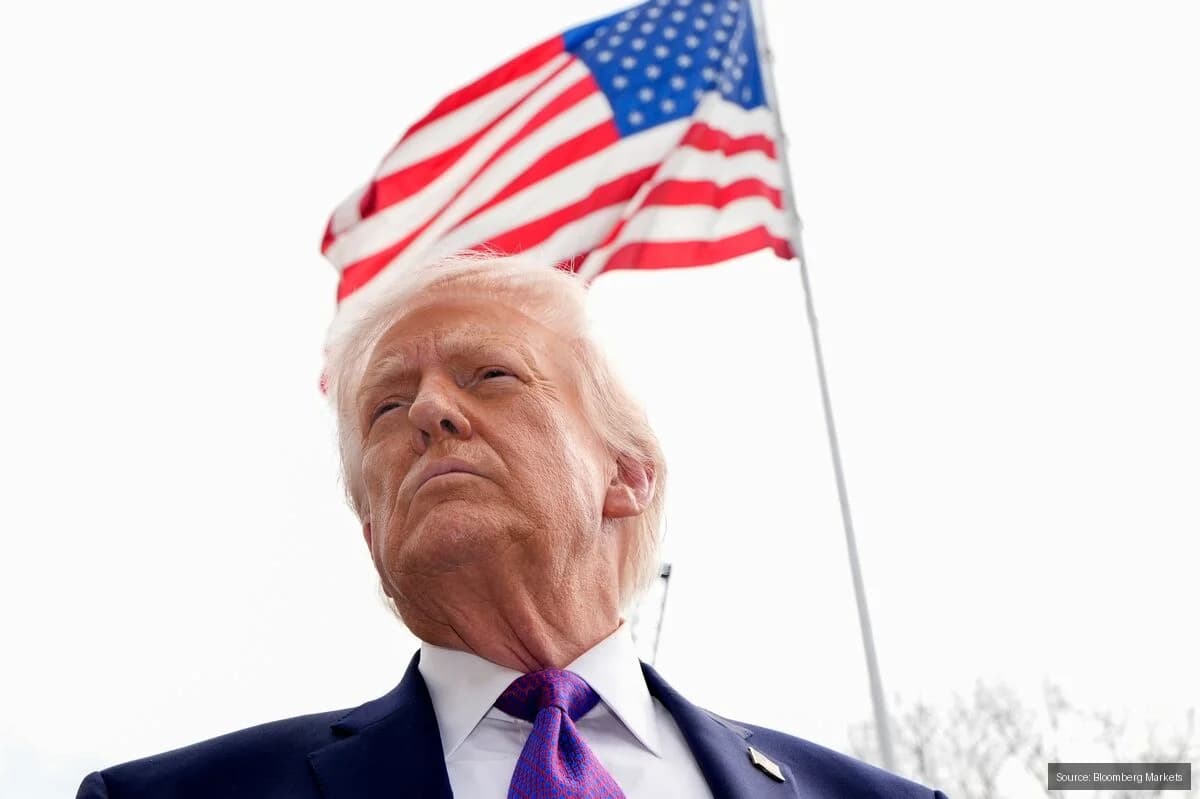
President Donald Trump is signaling a potential postponement of his highly anticipated summit with Chinese President Xi Jinping. The delay hinges on Beijing's willingness to actively assist in securing the critical Strait of Hormuz, a vital global shipping lane. This development emerges as escalating tensions, exacerbated by the ongoing US-Israel conflict, disrupt oil supplies and strain relations between the world's leading economies.
Geopolitical Stakes in the Strait of Hormuz
President Trump's stance underscores the strategic importance of the Strait of Hormuz in international energy markets. The region has seen increased instability, directly impacting global oil flows and raising concerns among allies. Washington seeks a coordinated international effort to de-escalate maritime threats.
The US-Israel conflict is creating ripple effects across the Middle East, contributing to supply chain vulnerabilities. Oil prices have reacted to these uncertainties, putting pressure on global economies reliant on stable energy imports.
Impact on US-China Relations
The proposed summit, intended to address various bilateral issues, now faces a significant hurdle. Trump's demand links a crucial diplomatic engagement to China's geopolitical cooperation. This move highlights the intricate web of economic and security interests intertwining the two superpowers.
China, a major consumer of Middle Eastern oil, has a vested interest in the stability of maritime routes like the Strait of Hormuz. Washington's call for assistance places Beijing in a pivotal position regarding regional security initiatives.
This condition introduces a new dimension to US-China diplomacy, potentially shifting the focus of future discussions. The outcome will likely influence not only the summit schedule but also broader international security dynamics.
Reference: Bloomberg Markets








Responses (0)