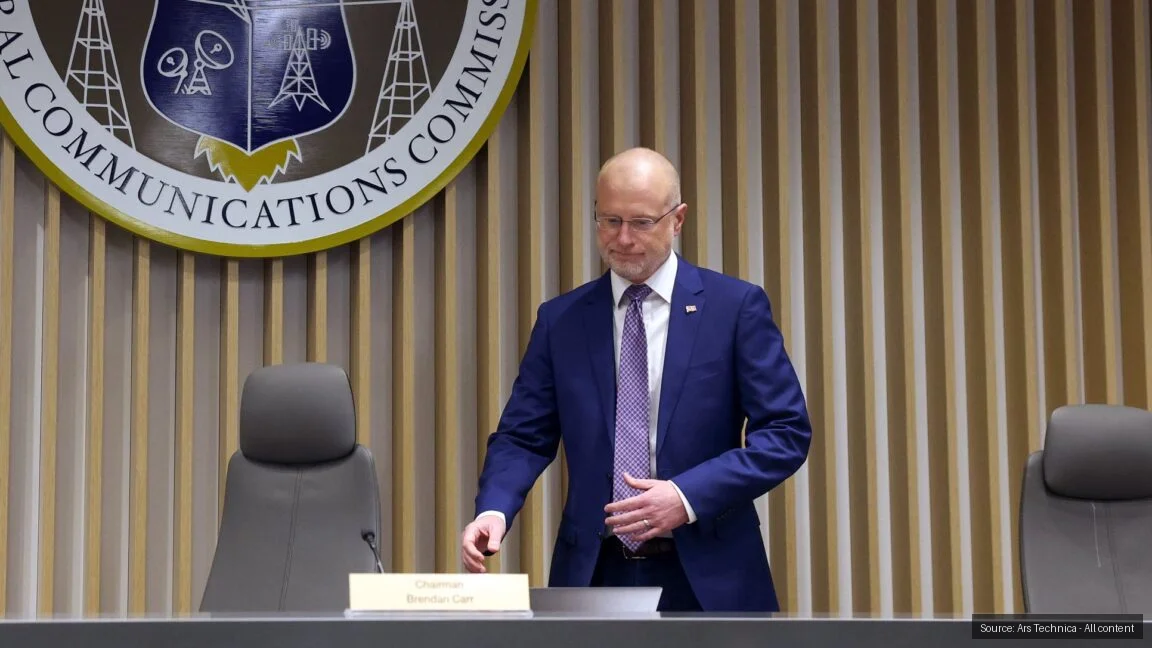
A senior official at the Federal Communications Commission (FCC) has recently called for American news outlets to adopt a more favorable stance in their reporting on the ongoing situation with Iran. This intervention, reportedly backed by President Donald Trump, immediately fuels media censorship concerns among press freedom advocates and journalists nationwide.
FCC Commissioner Brendan Carr suggests that some reporting contains “hoaxes and news distortions.” He has not, however, presented specific evidence to substantiate these claims regarding the coverage of Iran.
Official's Demands Spark Media Censorship Concerns
Commissioner Carr's remarks imply a need for a more unified and positive narrative from news organizations. Critics quickly point out that such statements from a government regulator could undermine journalistic independence.
President Trump reportedly expresses satisfaction with this push for altered media narratives. His administration has frequently criticized mainstream media outlets, often labeling unfavorable coverage as “fake news.”
Implications for Press Freedom
Organizations dedicated to protecting press freedom are voicing strong opposition to the FCC official's comments. They argue that any government pressure on news content sets a dangerous precedent for media autonomy.
Experts in constitutional law highlight the First Amendment's protections for a free press. They emphasize that editorial decisions should remain independent of governmental influence or demands.
The controversy intensifies the ongoing debate over media integrity and the role of government oversight. It underscores the delicate balance between national interests and the public's right to unbiased information.
Reference: Ars Technica - All content



Responses (0)