

Research and Writing: Abid Siddique Chaudhry
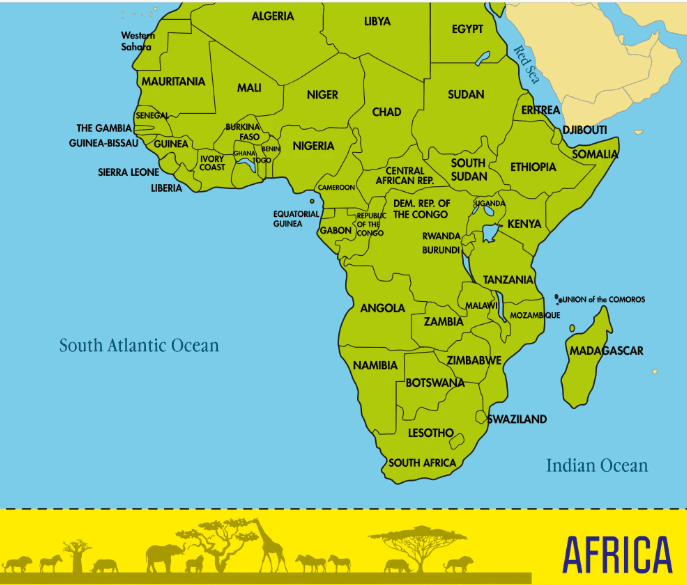
Morocco Located at the western edge of North Africa at the crossroads of the Atlantic Ocean and the Mediterranean Sea, the Kingdom of Morocco is not merely a geographical region, but a living testament to centuries of civilization, culture, and political stability. Counted among the world’s oldest continuously existing monarchies, the country encompasses over 1,200 years of formal Islamic history, while its human and civilizational roots stretch back thousands of years.
Ancient Civilizational Roots: From the Amazigh to the Roman Era
The original and ancient inhabitants of Morocco are known as the ‘Amazigh’ (Berbers), who laid the foundation of their unique civilization and society here in the pre-Christian era. Due to the strategic importance of this region, Phoenician traders established commercial hubs here in ancient times, after which the area came under the influence of the Roman Empire and became known as the ‘Kingdom of Mauretania.’ The arrival of Islam in the seventh century AD forever transformed the destiny and identity of this region.
The Dawn of Islamic Monarchy and the Golden Ages
The cornerstone of a formal and independent Islamic state in Morocco was laid in 788 AD by Idris I, who founded the ‘Idrisid Dynasty’ and made the historic city of ‘Fez’ its capital. This was the starting point that shaped Morocco into an organized monarchy.
Following this, the era of the ‘Almoravids’ and ‘Almohads’ between the 11th and 13th centuries AD (1040 to 1269 AD) is known as the most golden chapter of Moroccan history. The borders of these great empires expanded beyond Morocco to encompass Spain (Al-Andalus) and vast territories of West Africa. The world-renowned historic city of ‘Marrakech’ was also founded during this golden age.
From the 13th to the 16th century (1244 to 1554 AD), under the ‘Marinid’ and ‘Wattasid’ dynasties, the region made unprecedented progress in arts, sciences, and architecture. Fez gained the status of a global center of learning, and magnificent madrasas (colleges) were built there. Subsequently, the ‘Saadi Dynasty’ (1549 to 1659 AD) acted as an impenetrable wall against foreign aggression; they inflicted a crushing defeat on Portuguese invaders at the historic ‘Battle of Wadi al-Makhazin’ and also safeguarded Morocco’s sovereignty from the influence of the mighty Ottoman Empire in the region.
The Alaouite Dynasty: Nearly Four Centuries of Continuity
Morocco’s current royal family is the ‘Alaouite Dynasty,’ which has been continuously in power since 1631 AD—for the past nearly 395 years. This dynasty traces its lineage back to Prophet Muhammad's (PBUH) grandson, Hazrat Imam Hasan (RA), through Hazrat Ali (RA) and Hazrat Fatimah al-Zahra (RA). This lineage has granted the royal family a unique place in the hearts of the Moroccan people.
The Modern Era, Anti-Colonial Struggle, and King Mohammed VI
Amidst the geopolitical shifts of the 19th and 20th centuries, France and Spain placed Morocco under their protectorate in 1912. However, the Moroccan people and leadership refused to accept subjugation. As a result of a long political and popular struggle under the prudent leadership of King Mohammed V, Morocco regained its complete independence and sovereignty in 1956.
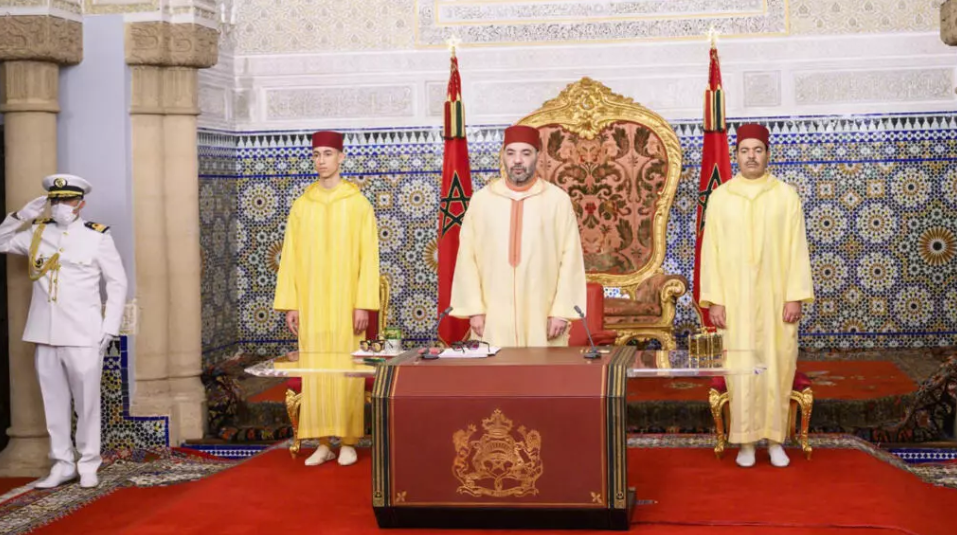
Today, the reins of Morocco are in the hands of King Mohammed VI, who ascended the throne in July 1999 following the passing of his father, King Hassan II. Under Morocco’s constitutional system, the King is not only the Head of State but also holds the prestigious title of ‘Amir al-Mu'minin’ (Commander of the Faithful). This religious and spiritual status is considered a symbol of sectarian harmony, moderation, and national unity in Morocco.
Vibrant Culture and a Hub of Global Tourism
Moroccan culture is a captivating confluence of Arab, Amazigh, Andalusian, and African traditions. Its unique architecture, colorful ‘Zellij’ tilework, traditional markets (Souks), and world-famous Moroccan cuisine—especially ‘Tagine’ and mint tea—attract tourists from all over the globe. From the golden dunes of the Sahara Desert to the snow-capped peaks of the Atlas Mountains and the blue streets of Chefchaouen, Morocco is a treasure trove of natural beauty and historical heritage, where ancient fortresses and historic medinas remain preserved in their original state even today.
Fraternal and Diplomatic Relations Between Pakistan and Morocco
Deep historical, religious, and fraternal ties exist between Pakistan and Morocco, founded on mutual respect and shared Islamic values. During Morocco's independence movement, Pakistan extended strong diplomatic support for Morocco's right to self-determination at international forums, a gesture still held in high esteem by the Moroccan leadership and people. Both countries are close partners at various international platforms, including the United Nations (UN) and the Organization of Islamic Cooperation (OIC), while recent years have witnessed significant progress in bilateral trade, agriculture, the phosphate industry, tourism, and cultural exchanges between the two nations.
This exquisite blend of ancient traditions, captivating culture, and modern diplomatic and economic imperatives gives Morocco a unique identity in the Muslim world and across the globe, where history still seems to breathe in royal palaces and the alleyways of ancient cities.









Responses (0)