



Islamabad is once again asserting its pivotal role in Pakistan backchannel diplomacy, stepping forward as a discreet mediator as the United States and Iran navigate escalating tensions. This re-emergence highlights a long-standing tradition where Pakistan offers a confidential channel for rival global powers to communicate.
A Rich History of Discreet Engagements
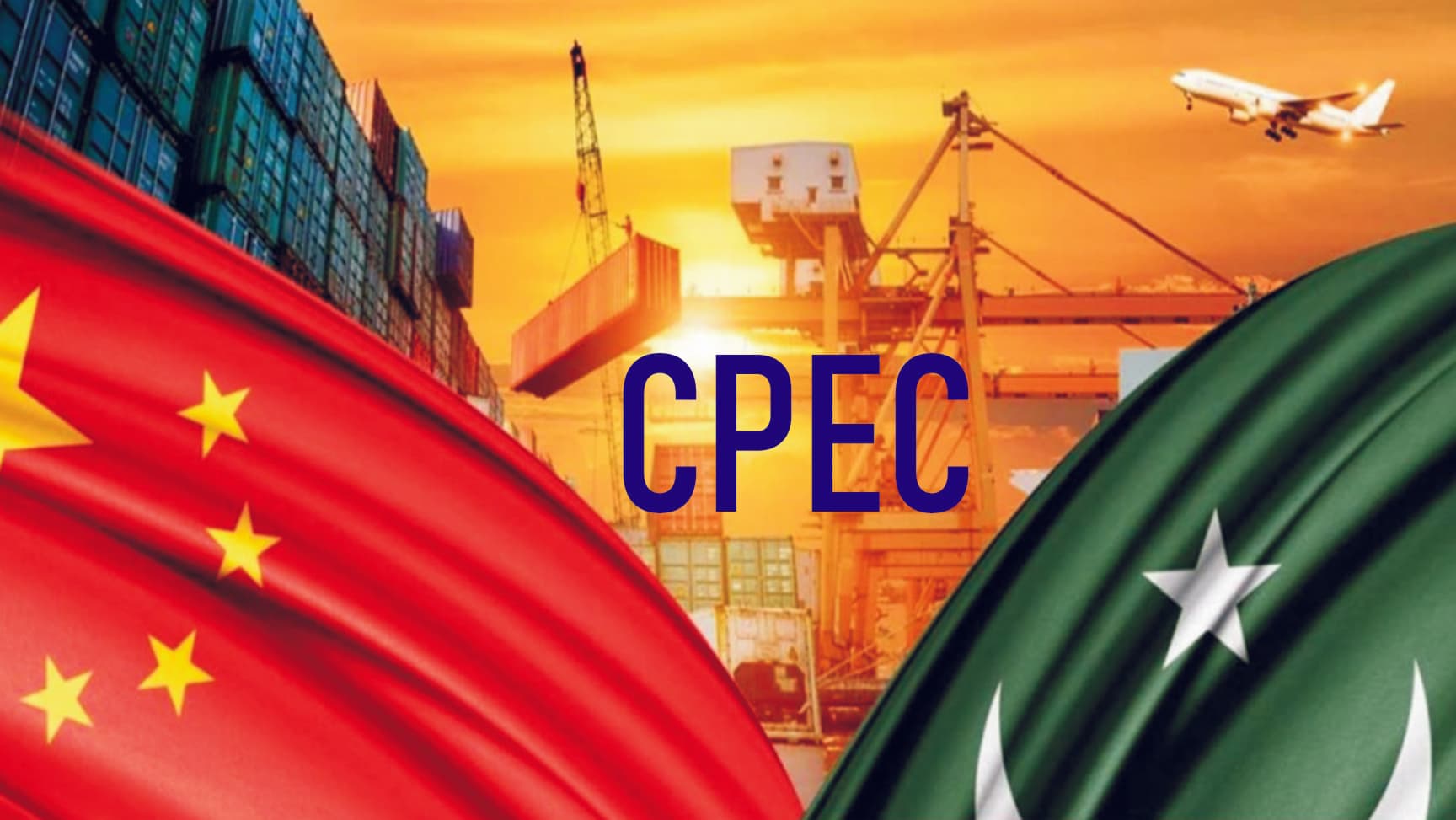
For decades, Pakistan has quietly facilitated dialogue between adversaries on the international stage. This tradition of quiet diplomacy gained significant prominence during the Cold War era, notably when Pakistan served as the crucial conduit for establishing communication between the United States and China in the early 1970s.
That historic opening, spearheaded by figures like Henry Kissinger, showcased Pakistan's unique geopolitical position and its willingness to host sensitive discussions away from the public eye. Subsequent administrations have also utilized Pakistan's connections for various complex diplomatic challenges, spanning multiple regions and conflicts.
Current Efforts in Pakistan Backchannel Diplomacy
Today, the focus of Pakistan backchannel diplomacy shifts to the volatile relationship between Washington and Tehran. As rhetoric intensifies and the risk of broader confrontation grows, Islamabad is actively engaging both sides, urging restraint and fostering avenues for de-escalation.
Pakistani officials are leveraging their established ties with both the US and Iran to transmit messages and explore potential common ground. This delicate balancing act aims to prevent further destabilization in a region already grappling with numerous challenges, reinforcing Pakistan's image as a reliable interlocutor.
The success of these ongoing efforts remains to be seen, but Pakistan's consistent willingness to provide a confidential platform underscores its strategic importance in global diplomacy. Its enduring commitment to facilitating dialogue offers a glimmer of hope amidst complex international standoffs.
Reference: aljazeera.com










Responses (0)