


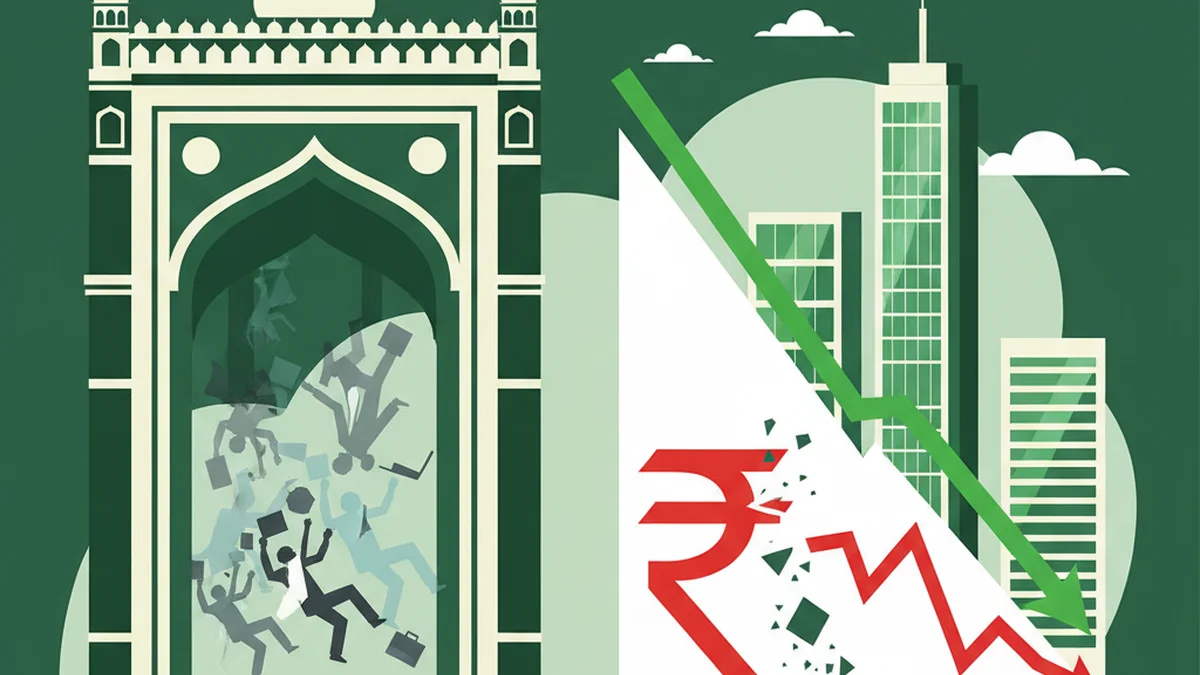
Pakistan is currently experiencing a significant downturn in its white-collar job market, marked by widespread layoffs across various sectors. This escalating Pakistan job crisis is leaving countless professionals without employment and raising serious questions about the nation's economic stability and future prospects.
Companies, from large corporations to smaller enterprises, are implementing workforce reductions as they navigate a challenging economic landscape. The impact is particularly acute in urban centers, affecting the middle class and exacerbating existing socio-economic pressures.
Economic Headwinds Fueling the Pakistan Job Crisis
The current wave of white-collar job losses stems from a confluence of severe economic challenges gripping Pakistan. Persistent high inflation continues to erode purchasing power, while a depreciating rupee makes imports more expensive and increases the cost of doing business. Furthermore, escalating energy costs and supply chain disruptions add further strain on operational budgets.
Political uncertainty and a fluctuating policy environment also deter foreign and local investment, leading businesses to downsize rather than expand. Many companies are struggling to maintain profitability, forcing them to cut overheads, with salaries often being the first target.
The International Monetary Fund's stringent conditions for bailout packages also contribute to a tightened fiscal environment, impacting government spending and private sector confidence. This creates a ripple effect, slowing down economic activity and limiting new job creation. (according to Dawn)
Societal Impact and Political Fallout
The deepening Pakistan job crisis carries significant societal and political implications. A shrinking job market for educated professionals threatens to accelerate brain drain, as skilled individuals seek opportunities abroad, further depleting the nation's human capital. (according to Geo News)
Reduced household incomes are leading to a decline in consumer spending, which in turn further dampens economic growth. The middle class, traditionally a pillar of stability, faces immense pressure, potentially leading to increased social unrest and discontent.
Politically, the government faces mounting pressure to address the unemployment crisis. Public sentiment is increasingly critical, with calls for urgent policy interventions to stabilize the economy and stimulate job growth. The challenge for policymakers is immense, requiring careful navigation of fiscal constraints while attempting to mitigate the human cost of the downturn.
Experts warn that without swift and decisive action, the current white-collar job crisis could have long-lasting repercussions on Pakistan's socio-economic fabric, impacting generations to come.
Reference: Bloomberg Markets














Responses (0)