
New Zealand is implementing a significant financial aid package, introducing weekly cash payments for nearly 150,000 low-income families. This pioneering initiative, set to begin on April 1, aims to mitigate the severe financial strain caused by soaring global fuel prices, intensified by ongoing conflict in the Middle East. The government's direct New Zealand fuel payments are believed to be the first of their kind globally since the onset of the Iran war.
Understanding the New Zealand Fuel Payments Scheme
Prime Minister Christopher Luxon and Finance Minister Nicola Willis announced the details on Tuesday. Approximately 143,000 families with dependent children will receive an additional NZ$50 (approximately US$29.20; £21.80) each week. This boost comes through an enhancement to the existing in-work tax credit.
To qualify for the maximum payment, at least one parent in the household must be in paid employment, and neither parent can be receiving other primary benefits. An additional 14,000 families, who earn slightly higher incomes, will also be eligible for support, though their weekly payments will be less than the NZ$50 maximum. (according to South China Morning Post)
Addressing the Global Energy Crisis with Direct Aid
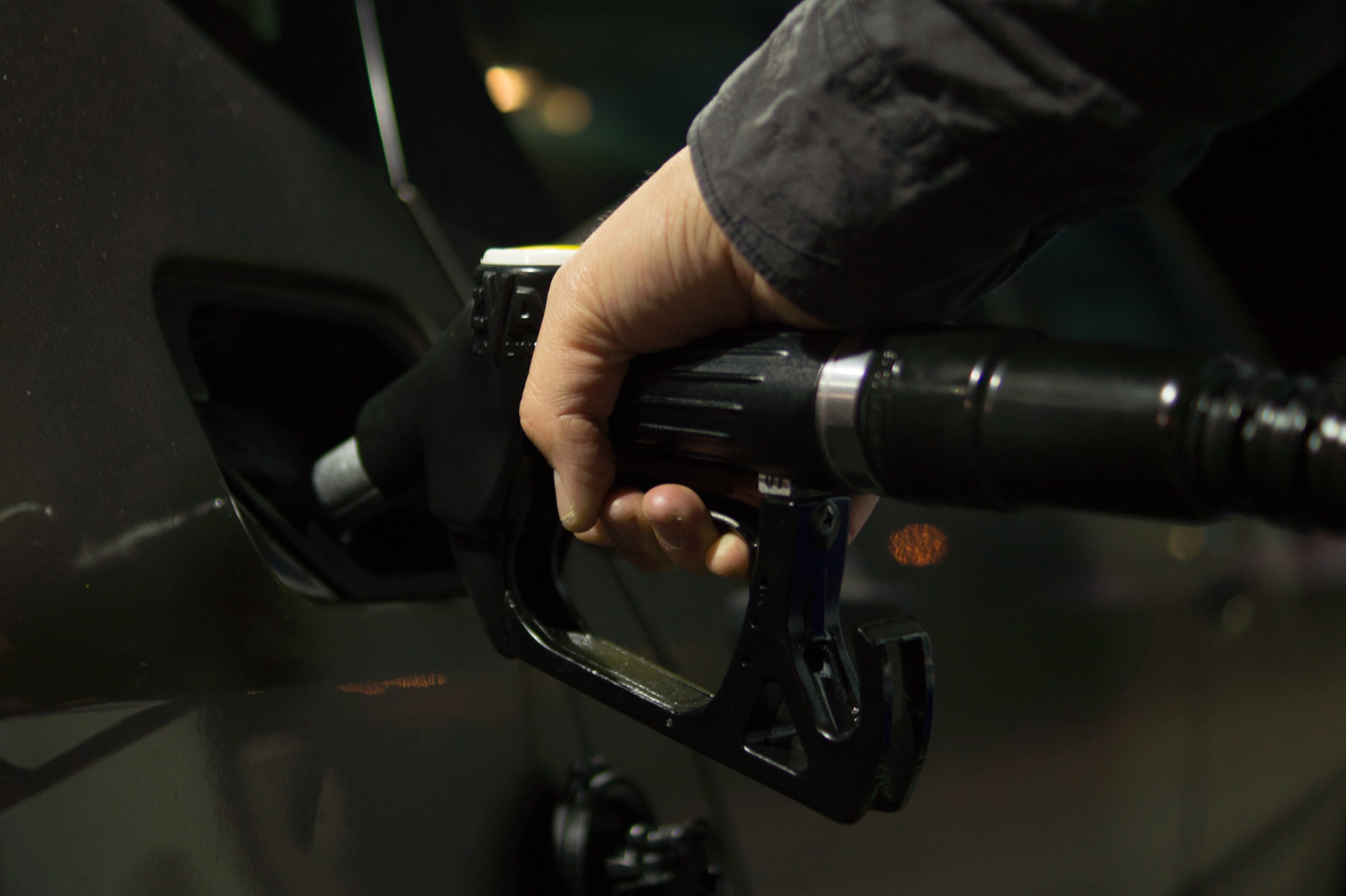
The policy directly responds to the worsening global fuel crisis, which has seen petrol prices surge across the world. By providing direct financial assistance, the government seeks to alleviate pressure on household budgets. (according to Global Times)
This move highlights the urgency with which nations are confronting the economic fallout from international geopolitical tensions. The New Zealand government's approach offers a direct lifeline to families struggling with the increased cost of living.
Reference: World news | The Guardian












Responses (0)