


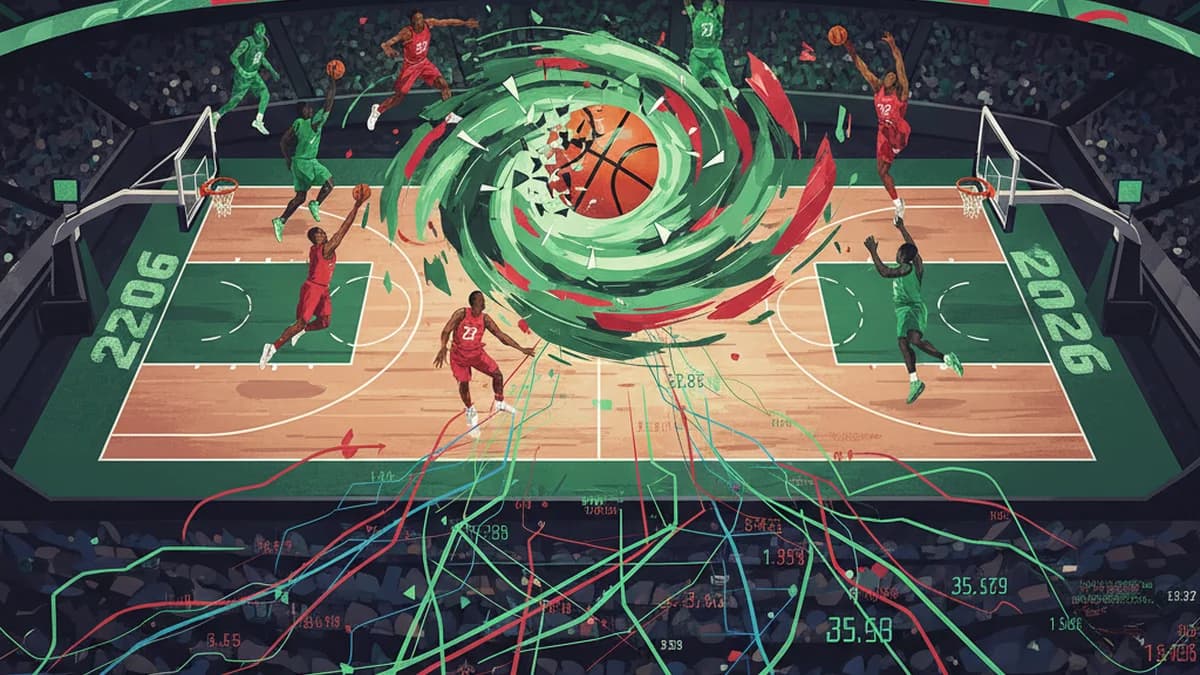
Anticipation builds for the 2026 NCAA Men's Tournament as basketball enthusiasts and analysts alike delve into the initial March Madness odds. These crucial figures, encompassing moneylines, point spreads, and game totals, offer a glimpse into the expected dynamics of each opening-round contest. Understanding these predictions is key for anyone following the action.
As teams prepare to tip off, the betting markets provide a comprehensive overview of how oddsmakers view each matchup. These early projections are developed using advanced statistical models and expert analysis, reflecting team performance, historical data, and potential upsets.
Decoding March Madness Odds: Spreads and Moneylines
For every game in the tournament's initial phase, various types of March Madness odds are released. Moneylines indicate the straightforward winner of a contest, with higher payouts for underdogs and lower returns for favorites. This format simplifies betting to a basic win/loss scenario.
Point spreads, conversely, add a layer of complexity by handicapping games to create a more even playing field. A favorite must win by more than the specified spread, while an underdog can either win outright or lose by less than the spread. This mechanism aims to balance the betting interest on both sides.
Analyzing Game Totals and BPI Predictions
Beyond who wins or loses, game totals provide another exciting dimension to March Madness odds. These figures represent the combined score expected from both teams in a particular matchup. Bettors predict whether the actual total score will go 'over' or 'under' this set number.
Alongside these traditional betting lines, advanced metrics such as the Basketball Power Index (BPI) offer additional predictive insights. BPI projections contribute to the overall understanding of team strength and potential game outcomes, helping to inform the final odds presented to the public. These analytical tools are vital for both casual fans and seasoned bettors looking to make informed decisions as the tournament unfolds.
Reference: espn.com











Responses (0)