
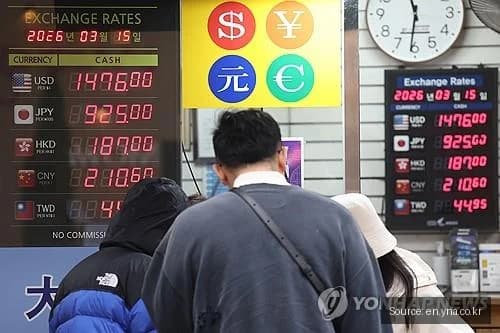
South Korea's currency, the won, faces its most significant decline in seventeen years, reaching a critical low point this week. This substantial Korean won depreciation is directly linked to escalating geopolitical tensions in the Middle East, particularly involving Iran, triggering widespread apprehension about inflation and the nation's broader economic stability. The financial markets are reacting sharply to the unfolding international situation.
Geopolitical Tensions Drive Currency Slide
The current instability in the Middle East, primarily stemming from the Iran crisis, is exerting immense pressure on global financial markets. Investors are increasingly seeking safer assets, moving away from emerging market currencies like the won. This shift in investment strategy significantly contributes to the currency's weakening.
Concerns over potential disruptions to oil supplies and rising energy costs further fuel market uncertainty. South Korea, a major energy importer, is particularly vulnerable to such fluctuations, which directly impact its trade balance and economic outlook.
Economic Fallout and Inflationary Pressures
The sharp Korean won depreciation has immediate implications for the domestic economy. Import costs are set to rise, potentially leading to higher prices for consumers across various goods and services. This scenario raises fears of increased inflationary pressures, impacting household purchasing power.
Businesses relying on imported raw materials or components also face elevated operational expenses. This could translate into reduced profitability or necessitate price increases, further fueling inflation. Policymakers are closely monitoring these developments to assess potential interventions.
Export-oriented companies might see a temporary boost in competitiveness due to a weaker won, making their products cheaper abroad. However, the overall economic uncertainty and rising import costs could offset these benefits.
The government and the Bank of Korea are under increasing pressure to address the currency's slide and mitigate its economic impact. Analysts suggest that the won's trajectory will largely depend on the resolution of the Iran crisis and the stability of global energy markets. The coming weeks will be crucial for assessing the long-term effects on the South Korean economy.
Reference: en.yna.co.kr








Responses (0)