


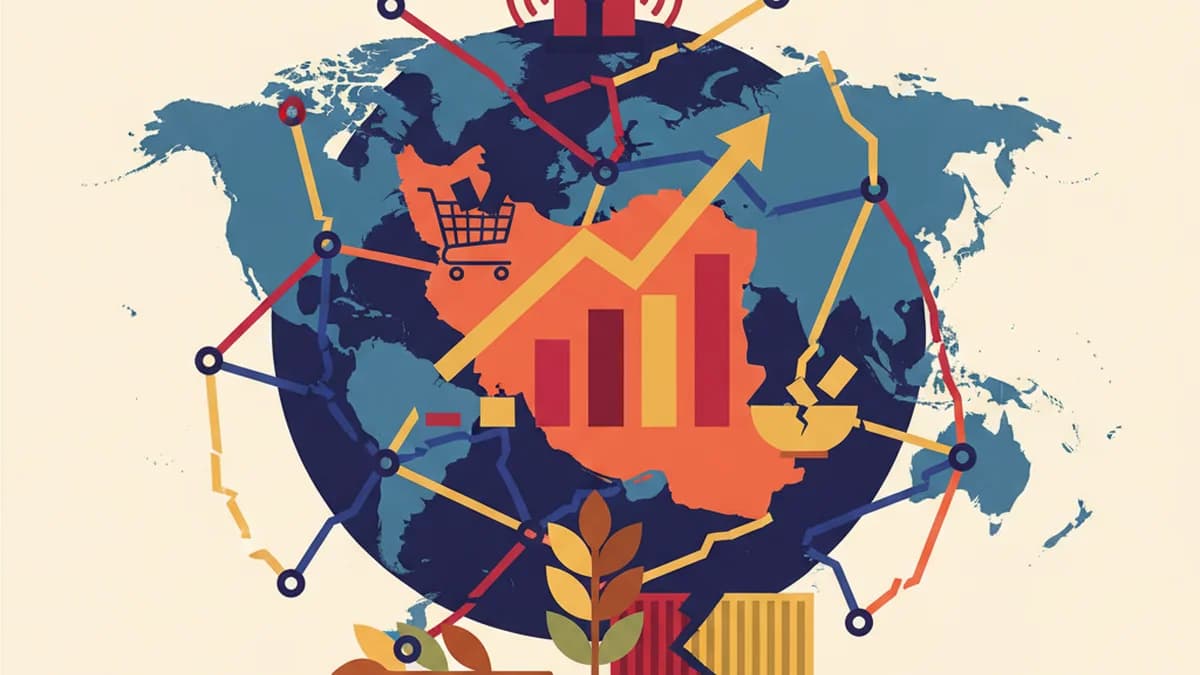
The unfolding Iran price crisis is poised to exert significant pressure on global food markets, extending its reach far beyond the energy sector. Experts are now sounding the alarm over potential surges in food costs, primarily driven by disruptions to vital fertilizer supplies.
This warning comes from Abdulla Banndar Al-Etaibi, a prominent analyst, who emphasizes that the economic fallout from the situation involving Iran is not solely confined to oil and gas. Instead, he points to a critical bottleneck emerging in the agricultural supply chain.
Fertilizer Shortages Fueling the Iran Price Crisis
Al-Etaibi specifically highlights the severe impact on fertilizer production and distribution. A reduction in these essential agricultural inputs directly translates to lower crop yields globally, creating a ripple effect that will inevitably push up food prices for consumers worldwide.
The analyst's concerns underscore the interconnectedness of various global markets. While energy costs often dominate discussions around geopolitical tensions, the underlying disruption to agricultural components presents an equally, if not more, critical challenge to everyday households. (according to Reuters)
Broader Economic Repercussions
The anticipated rise in food prices due to the Iran price crisis could exacerbate inflationary pressures already impacting numerous economies. Governments and international organizations are closely monitoring these developments, as stable food supplies are fundamental to global stability. (according to BBC News)
Addressing these supply chain vulnerabilities, particularly in critical sectors like agriculture, becomes paramount. The focus is shifting towards understanding and mitigating the broader economic consequences that extend beyond immediate energy market fluctuations.
Reference: Al Jazeera – Breaking News, World News and Video from Al Jazeera
















Responses (0)