


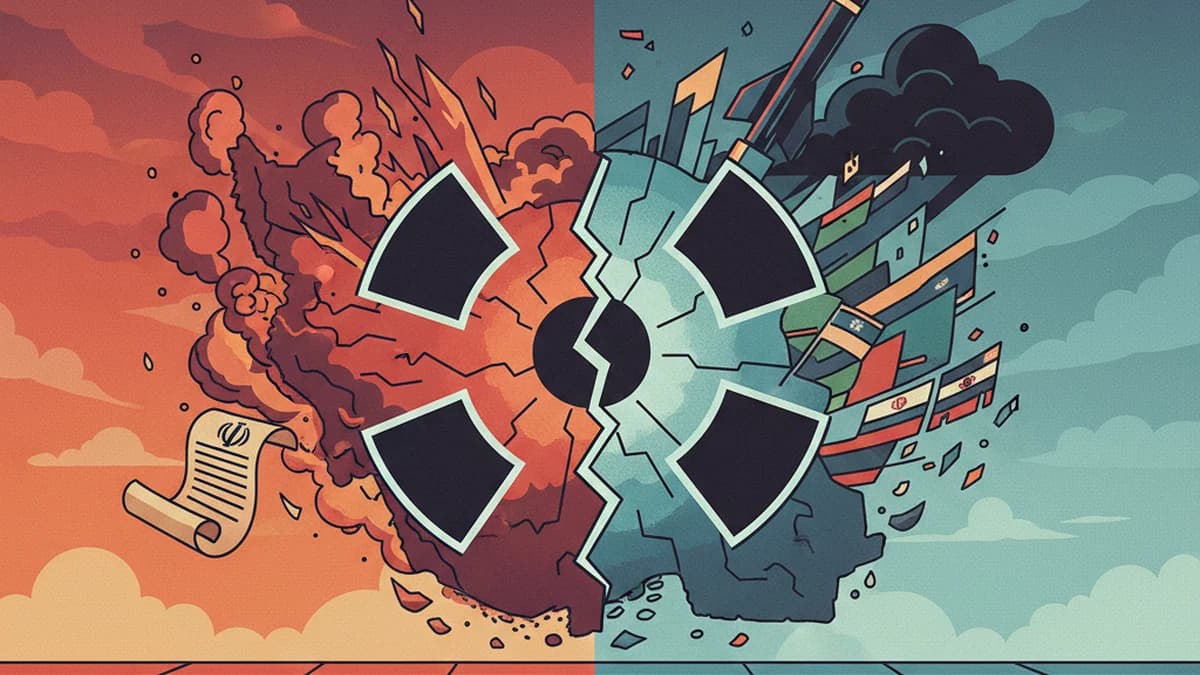
Iranian politicians are intensifying calls for the nation to withdraw from the Iran nuclear treaty, formally known as the Nuclear Non-Proliferation Treaty. This significant push by hardline factions emerges amidst a backdrop of targeted strikes on key infrastructure, stability" title="Escalating Israel-Iran Tensions Threaten Regional Stability">escalating regional tensions. The debate inside Iran's corridors of power signals a potential pivot in its international nuclear commitments.
Escalating Calls for Withdrawal
Hardline elements within Iran's political establishment are vocally advocating for an exit from the NPT. These proponents argue that the treaty no longer serves Iran's national security interests, especially given ongoing external pressures. They view withdrawal as a necessary step to enhance the country's defensive capabilities and sovereignty.
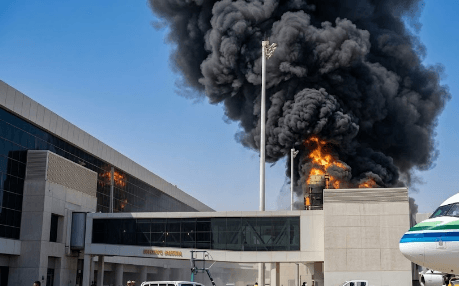
This internal debate gains momentum as reports surface of US-Israeli attacks targeting critical infrastructure within Iran. Such actions, according to these factions, undermine the spirit of international agreements and necessitate a re-evaluation of Iran's treaty obligations. (according to Reuters)
Global Implications of an NPT Exit
The Nuclear Non-Proliferation Treaty is a cornerstone of international efforts to prevent the spread of nuclear weapons. A potential Iranian withdrawal would send shockwaves through the global non-proliferation regime, raising serious concerns about regional stability. Such a move could prompt other nations to reconsider their own nuclear stances. (according to BBC News)
International observers are closely monitoring these developments, understanding that an Iranian exit from the Iran nuclear treaty could dramatically alter the geopolitical landscape of the Middle East. The global community braces for potential diplomatic fallout and increased efforts to de-escalate the volatile situation.
Reference: Al Jazeera – Breaking News, World News and Video from Al Jazeera













Responses (0)