


ISLAMABAD — The Human Rights Commission of Pakistan (HRCP) launched its flagship annual report, State of Human Rights in 2025, on May 4, documenting a year defined by a "severe contraction" of civic space and the systemic erosion of judicial independence. The commission warned that the rule of law is under extreme stress as legal mechanisms are increasingly weaponized to silence dissent.
Freedom of Expression and the Rule of Law Under Siege
The HRCP report observes with alarm that the right to freedom of expression—particularly the ability to question authority—was deeply suppressed throughout 2025. This crackdown has had far-reaching consequences for the protection of fundamental freedoms across the country.
Authorities reportedly utilized amendments to the Prevention of Electronic Crimes Act (PECA), alongside sedition and anti-terrorism laws, to target journalists, activists, and lawyers. These actions have fostered a pervasive climate of fear and self-censorship, effectively obscuring ongoing human rights violations from public discourse.
Constitutional Shifts and Judicial Concerns
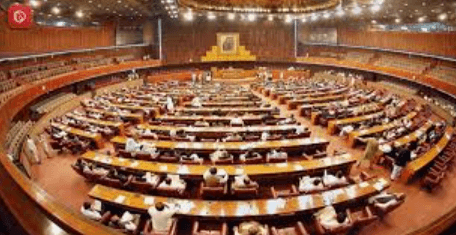
A primary focus of the report is the 27th Constitutional Amendment, which HRCP claims has reconfigured judicial appointments to expand executive influence. The commission expressed grave concerns over the passage of this amendment, citing its role in weakening the separation of powers.
Key judicial developments highlighted include:
Military trials of civilians being enabled through controversial court decisions.
The de-legitimization of Pakistan Tehreek-i-Insaf (PTI) through the denial of reserved seats.
Amendments to the Anti-Terrorism Act 1997 allowing detention without charge for up to three months.
Escalating Security Challenges and Vulnerable Groups
Security instability disproportionately affected Khyber Pakhtunkhwa and Balochistan, where militancy and counter-terrorism operations led to high civilian casualties. The report also documents the persistence of enforced disappearances and extrajudicial killings.
Vulnerable groups, including women, religious minorities, and transgender persons, continue to face systemic violence. HRCP noted that while climate-related disasters in Gilgit-Baltistan caused significant loss of life, the state’s response remained largely reactive rather than strategic.
Glimmers of Legislative Progress
Despite the grim outlook, the report highlighted several positive legislative milestones achieved in 2025. These include the passage of the National Commission for Minorities Act and the Child Marriage Restraint Acts in Islamabad and Balochistan.
Higher courts also issued landmark judgments advancing women’s rights regarding inheritance and marriage. However, HRCP Chairperson Asad Iqbal Butt and other officials emphasized that these reforms offer only incremental relief in an otherwise deteriorating rights landscape.













Responses (0)