



ISLAMABAD — As the global energy crisis intensifies, hydrogen technology is emerging as a revolutionary solution for sustainable development. Pakistan has officially entered the race to adopt this "fuel of the future," initiating strategic steps to transition the nation toward clean, affordable, and carbon-free energy.
The government’s shift toward hydrogen comes as part of a broader effort to mitigate climate change and reduce reliance on expensive fossil fuel imports. By leveraging its unique geography, Pakistan aims to transform its energy landscape by 2030.
What is Hydrogen Technology?
Hydrogen technology encompasses the scientific methods used to produce, store, and convert hydrogen gas into usable power. The process consists of three critical stages:
Production: Utilizing Electrolysis to split water ($H_2O$) into hydrogen and oxygen. When powered by solar or wind energy, the result is labeled 'Green Hydrogen.'
Storage: Because hydrogen is incredibly light, it is compressed into high-pressure tanks or cooled into a liquid state for transport.
Conversion: Devices known as 'Fuel Cells' convert stored hydrogen back into electricity, capable of powering vehicles, factories, and residential grids.
Pakistan’s Strategic Green Initiatives
Pakistan is currently capitalizing on its vast renewable resources to build a robust hydrogen infrastructure. A landmark agreement has already been reached to establish the nation’s first major Green Hydrogen Plant in Thatta, Sindh. This facility will utilize the region's abundant wind and solar corridors to generate zero-emission fuel.
The government has also introduced the National Green Hydrogen Policy, offering incentives for large-scale production. Beyond industrial use, domestic applications are appearing; new technology recently introduced in the local market allows for hydrogen-based cooking stoves, providing a cost-effective and safer alternative to LPG.
The Benefits and Safety Challenges
While the potential is vast, the transition to a hydrogen economy presents a specific set of pros and cons:
Zero Emissions: The only byproduct of hydrogen combustion is water vapor, making it the cleanest fuel available.
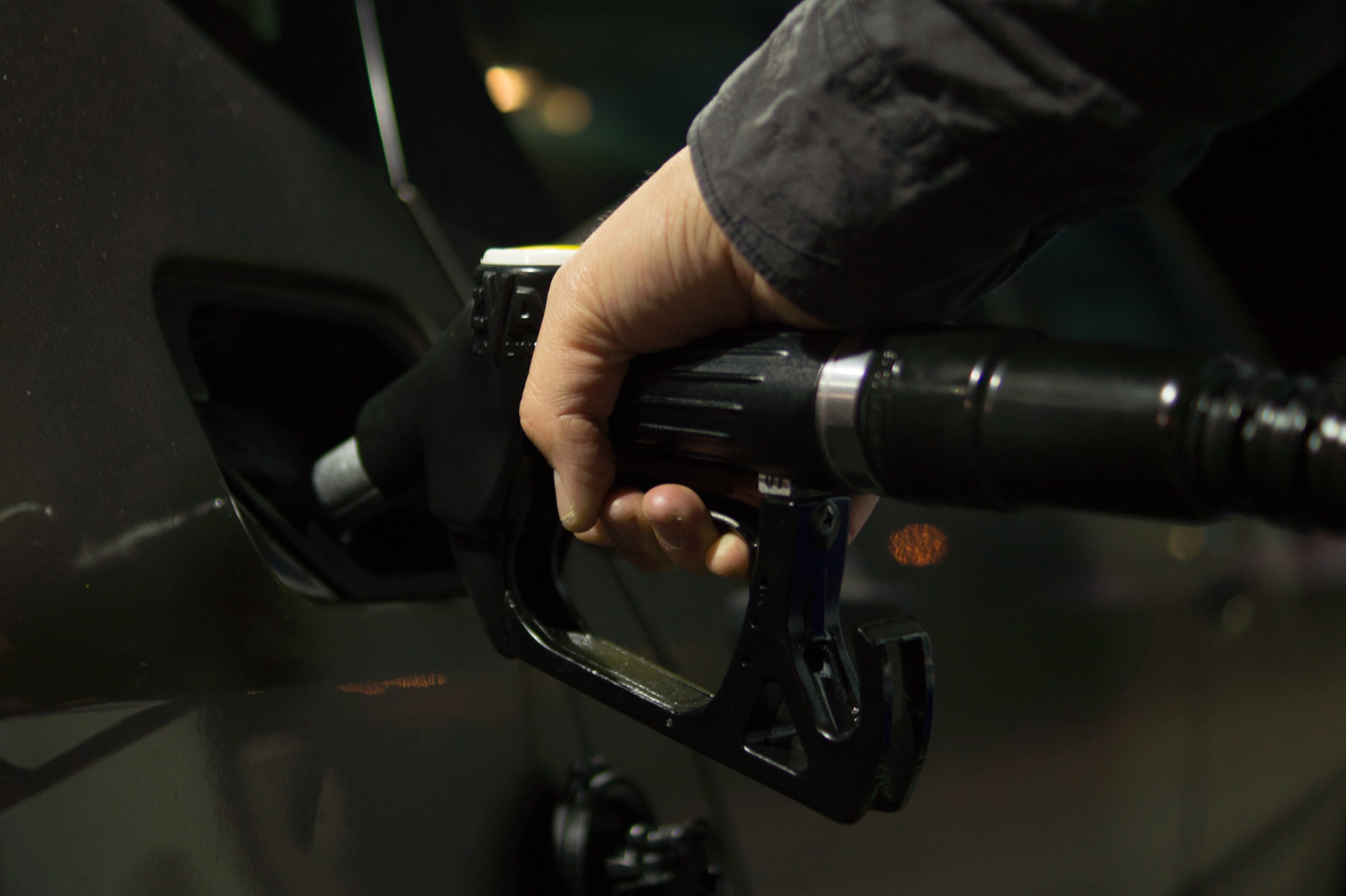
Energy Density: Hydrogen provides three times more energy per pound than traditional gasoline.
Implementation Hurdles: As a highly flammable gas, hydrogen requires advanced safety protocols and high-tech storage solutions. Additionally, the current cost of fuel cells remains a barrier to immediate mass adoption.
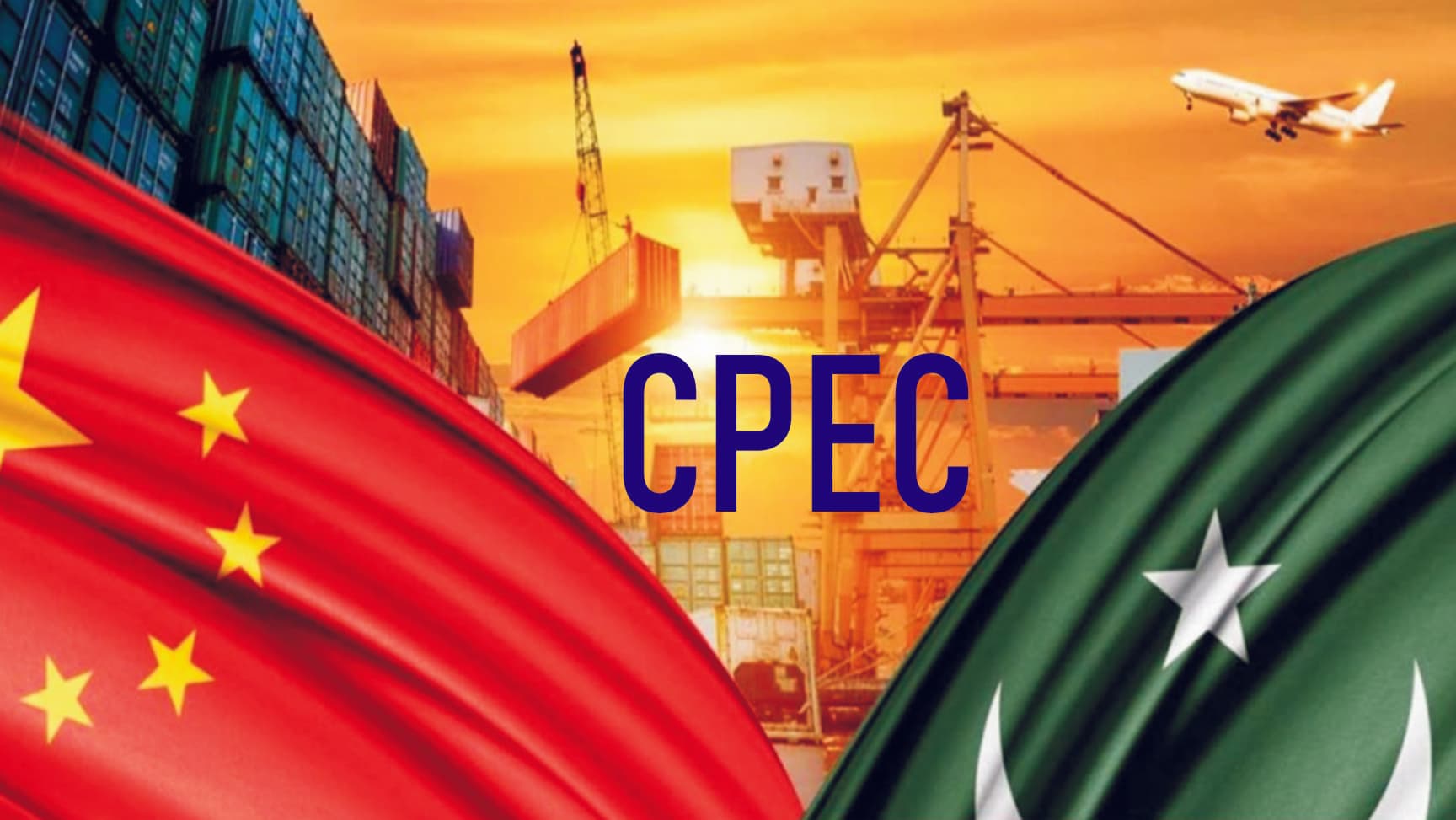
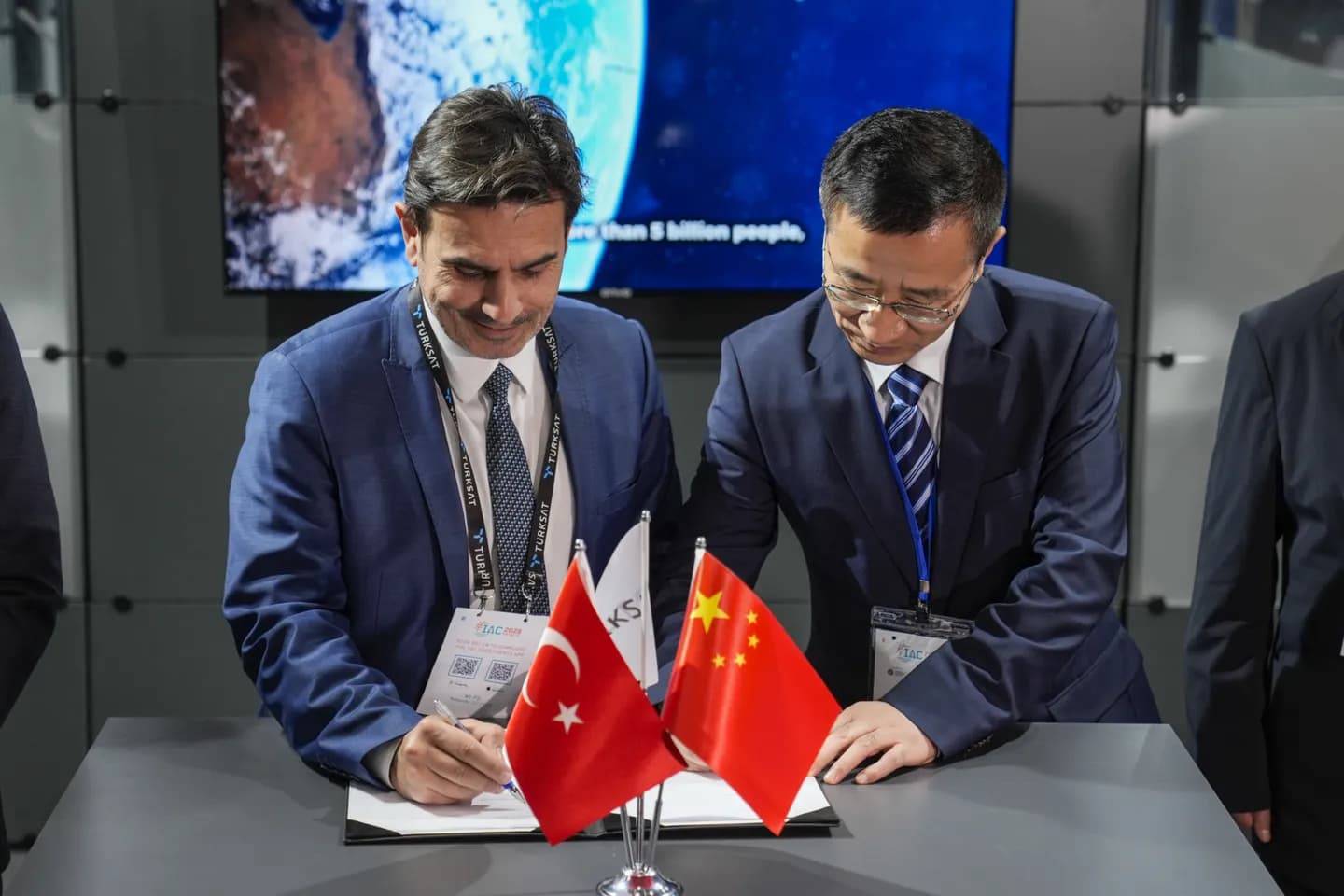
Through international collaboration with partners like China, Pakistan is focusing on Technology Transfer to lower costs and integrate hydrogen into its fertilizer and steel industries.












Responses (0)