
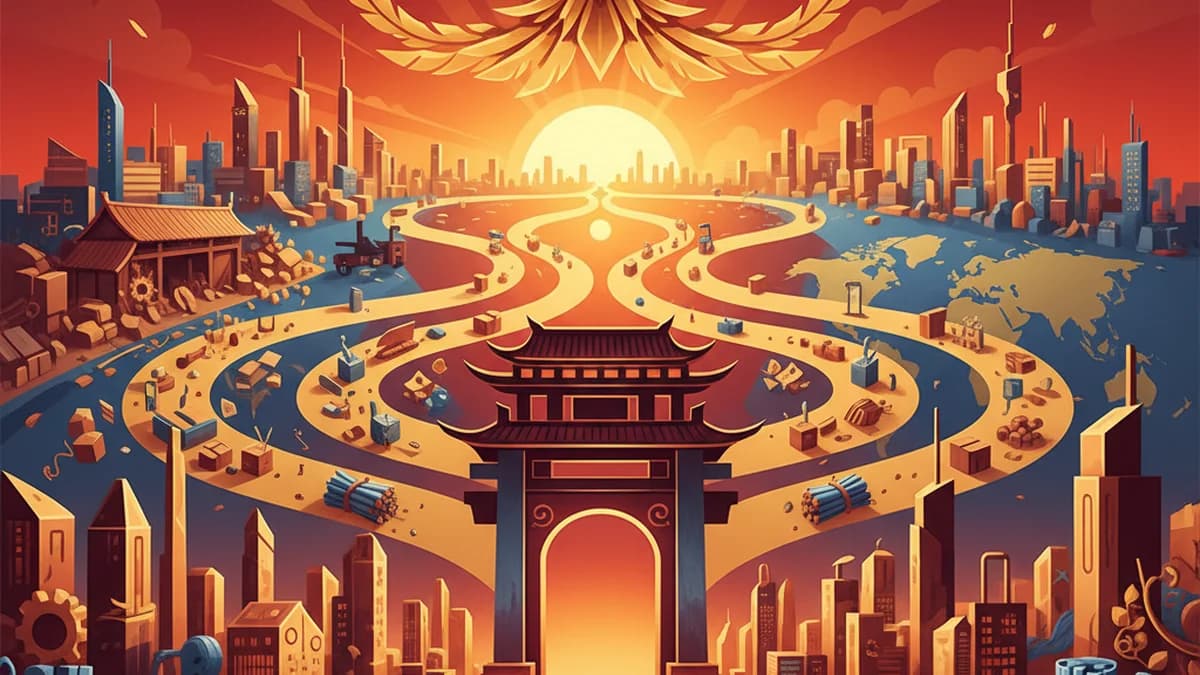
The global recycling landscape is undergoing a dramatic transformation following China's decisive move to cease importing foreign waste. This unprecedented China waste ban, implemented recently, has sent shockwaves through international waste management systems, compelling nations to re-evaluate their domestic processing capabilities.
Impact on Western Cities Like Portland
Cities in the United States, particularly those on the West Coast, are feeling the immediate effects. Portland, Oregon, for instance, now faces a significant challenge in managing its recyclable materials that once found a destination in China.
Local authorities and waste management companies are scrambling to find alternative solutions for plastics, paper, and other materials previously exported. This shift necessitates urgent investment in domestic recycling infrastructure and new processing methods.
Rethinking Global Waste Management
The China waste ban serves as a critical turning point for global environmental policy. It highlights the long-standing reliance of many developed nations on exporting their waste, rather than processing it internally.
Experts suggest this policy will drive innovation in waste reduction, reuse, and domestic recycling technologies worldwide. Countries are now under pressure to develop sustainable, self-sufficient waste management strategies.
Ultimately, this development compels a fundamental reassessment of consumer habits and industrial production practices. The era of simply shipping waste overseas appears to be drawing to a close.
Reference: chinadaily.com.cn









Responses (0)