



Global airlines are currently grappling with significant airspace restrictions over Iran and the Gulf region. Recent missile strikes have prompted carriers to implement urgent rerouting strategies, prioritizing passenger and crew safety above all else.
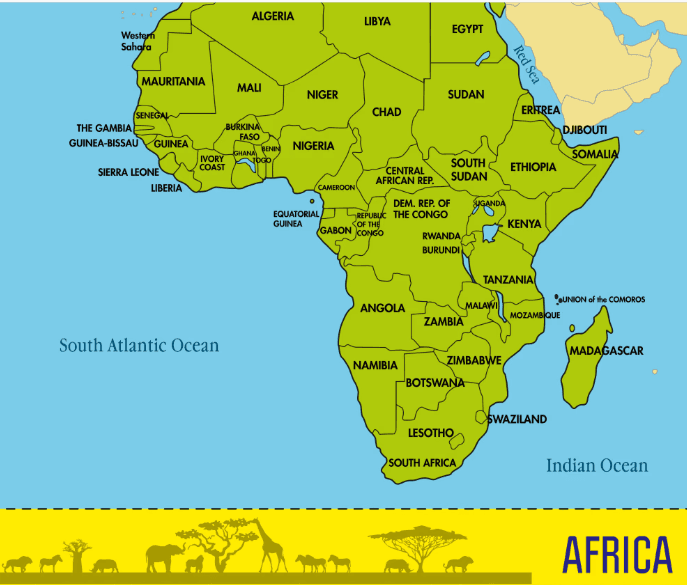
This rapidly evolving situation is forcing major adjustments to international flight paths, particularly those connecting Europe, Asia, and Africa. Airlines are closely monitoring geopolitical developments to ensure operational integrity.
Navigating Complex Airspace Restrictions
The immediate consequence for international flights involves extensive rerouting. Aircraft are now avoiding key corridors over Iran and parts of the Gulf, leading to longer flight durations for many routes.
These diversions translate directly into higher operational costs for airlines. Increased fuel consumption and extended crew duty times are significant factors impacting profitability during this period of heightened regional instability.
Ensuring Passenger Safety Amidst Tensions
Aviation authorities and individual airlines continuously monitor geopolitical developments. Decisions to alter flight paths are made in real-time, based on intelligence from governments and international aviation bodies.
Safety remains the paramount concern for all operators. Protocols are rigorously followed to ensure that no aircraft enters a declared danger zone, even if it means substantial alterations to scheduled services.
As the situation in the Middle East remains fluid, airlines are preparing for prolonged adjustments to their flight networks. Passengers are advised to check with their carriers for the latest updates regarding specific routes and potential delays.
Source: BBC News









Responses (0)