


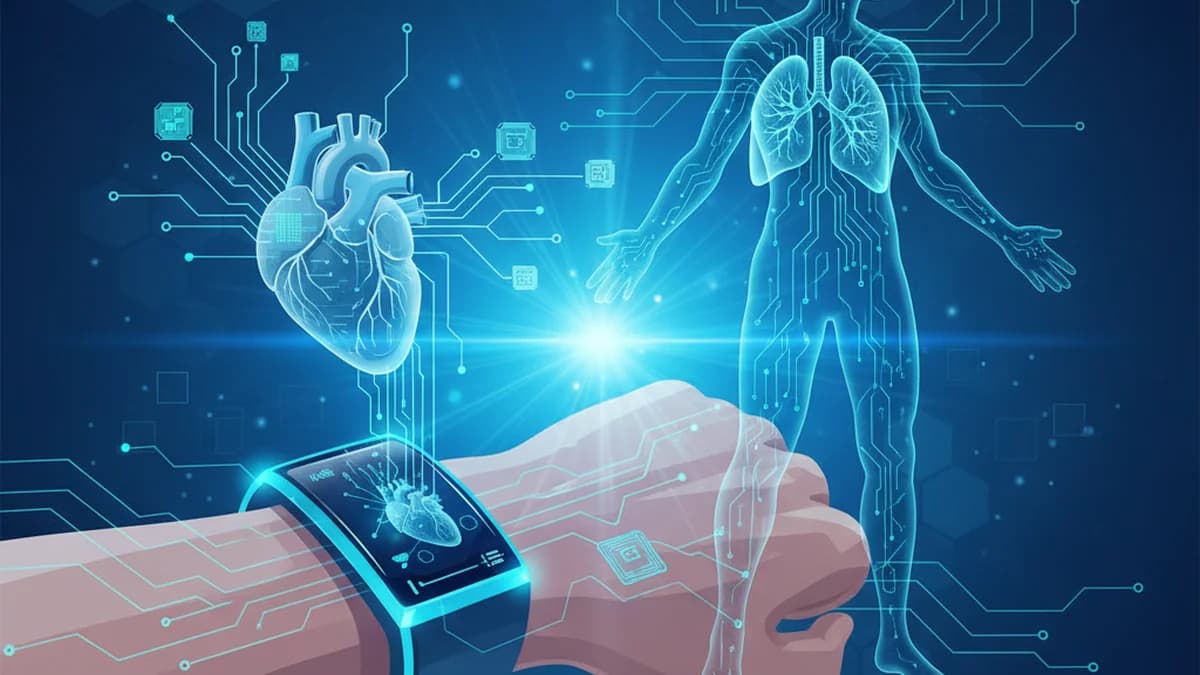
For individuals navigating daily health challenges, the fitness tracker chronic illness connection is proving to be a game-changer. These wearable devices are emerging as vital tools, offering unprecedented insights into bodily responses and helping users proactively manage their conditions. They provide crucial data points that empower individuals to understand their limits and prevent debilitating episodes.
Leveraging Data for Chronic Illness Management
Traditional approaches to chronic illness often rely on subjective feelings, which can be misleading. Fitness trackers bridge this gap by objectively monitoring heart rate, activity levels, sleep patterns, and other physiological metrics. This objective data allows users to identify triggers and patterns that might otherwise go unnoticed.
One common scenario involves individuals unknowingly pushing past their physical thresholds. For example, a seemingly manageable activity, like an extended period of exertion, can lead to severe post-exertional malaise if not carefully monitored. The data from a fitness tracker can highlight when the body is under strain, even before overt symptoms appear.
Empowering Self-Advocacy and Prevention
Beyond simple tracking, these devices empower users with the knowledge to advocate for their own health. By presenting clear, quantifiable data to healthcare providers, patients can better articulate their experiences and collaborate on more effective treatment plans. This shift from reactive to proactive health management is transformative.
The ability to observe trends over time is particularly valuable. Users can see how different activities, stress levels, or even dietary changes impact their physiological markers. This personalized feedback loop is essential for refining daily routines and minimizing the risk of adverse health events, fostering a greater sense of control and well-being.
As technology advances, the role of fitness trackers in supporting individuals with chronic illnesses will only grow. They represent a significant step forward in personalized health, offering hope and practical solutions for a better quality of life.
Reference: The Verge













Responses (0)