


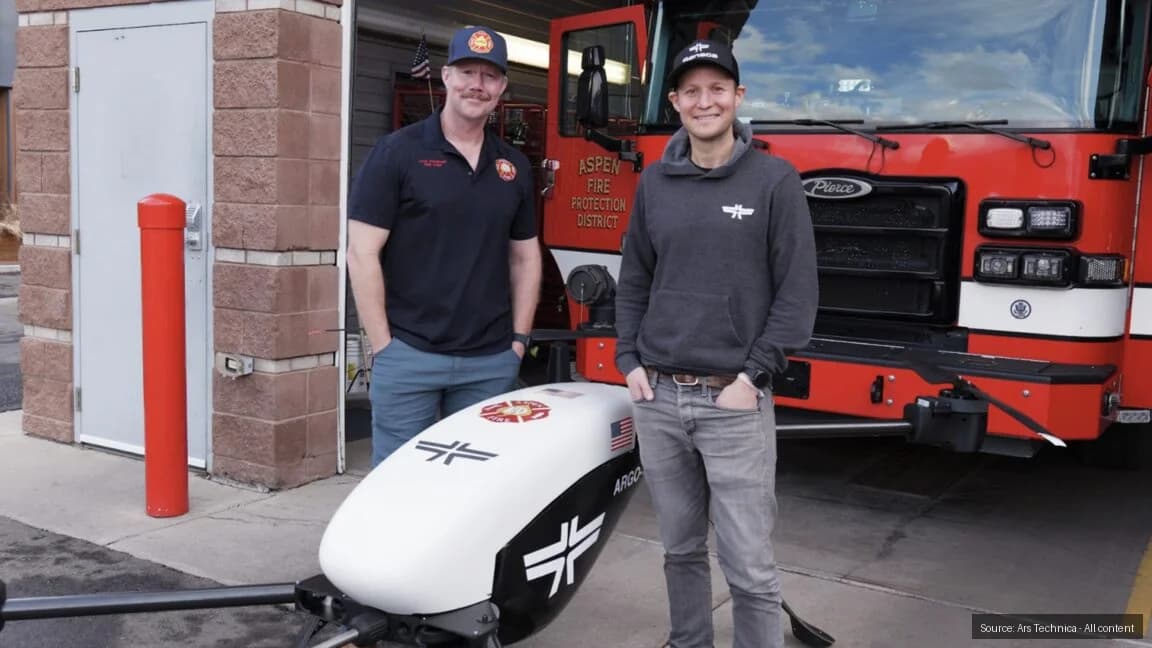
Aspen, Colorado, is set to become a testing ground for a groundbreaking approach to wildfire management as advanced firefighting drones from Seneca prepare for deployment. These innovative unmanned aerial vehicles offer a new frontier in initial attack capabilities, aiming to suppress blazes with unparalleled speed and efficiency.
The initiative focuses on leveraging drone technology to combat nascent wildfires, potentially changing how emergency services respond to these destructive events. The core question is whether these systems can effectively contain fires before they escalate.
The Technology Behind Rapid Firefighting Drones
Seneca's firefighting drones are engineered with critical features designed for rapid, effective intervention. Equipped to carry specialized fire retardant foam, they can deliver targeted suppression directly to a blaze, enhancing precision over traditional methods.
Crucially, these drones possess the capability to operate during nighttime hours, a period when traditional aerial firefighting efforts are often grounded due to safety concerns. This extends the window for crucial initial attack, allowing continuous suppression efforts.
Furthermore, the systems function without requiring an on-site pilot, enabling remote control and deployment from a safe distance. This enhances safety for personnel while allowing quick response in hazardous or inaccessible conditions.
A New Strategy for Wildfire Containment with Drones
The deployment to Aspen represents a strategic shift towards proactive wildfire containment, focusing on early intervention. The central objective is to determine if these firefighting drones can effectively suppress nascent fires before they escalate into major incidents requiring extensive human resources.
By addressing fires in their earliest stages, these autonomous systems could significantly reduce the destructive potential of wildfires. Their ability to reach remote or dangerous areas quickly offers a vital advantage in rugged terrain.
This initiative could redefine rapid response protocols, potentially safeguarding communities and natural landscapes more effectively. The outcomes observed in Aspen will be closely watched by emergency services and environmental agencies worldwide as they seek innovative solutions to a growing global challenge.
Reference: Ars Technica - All content











Responses (0)