
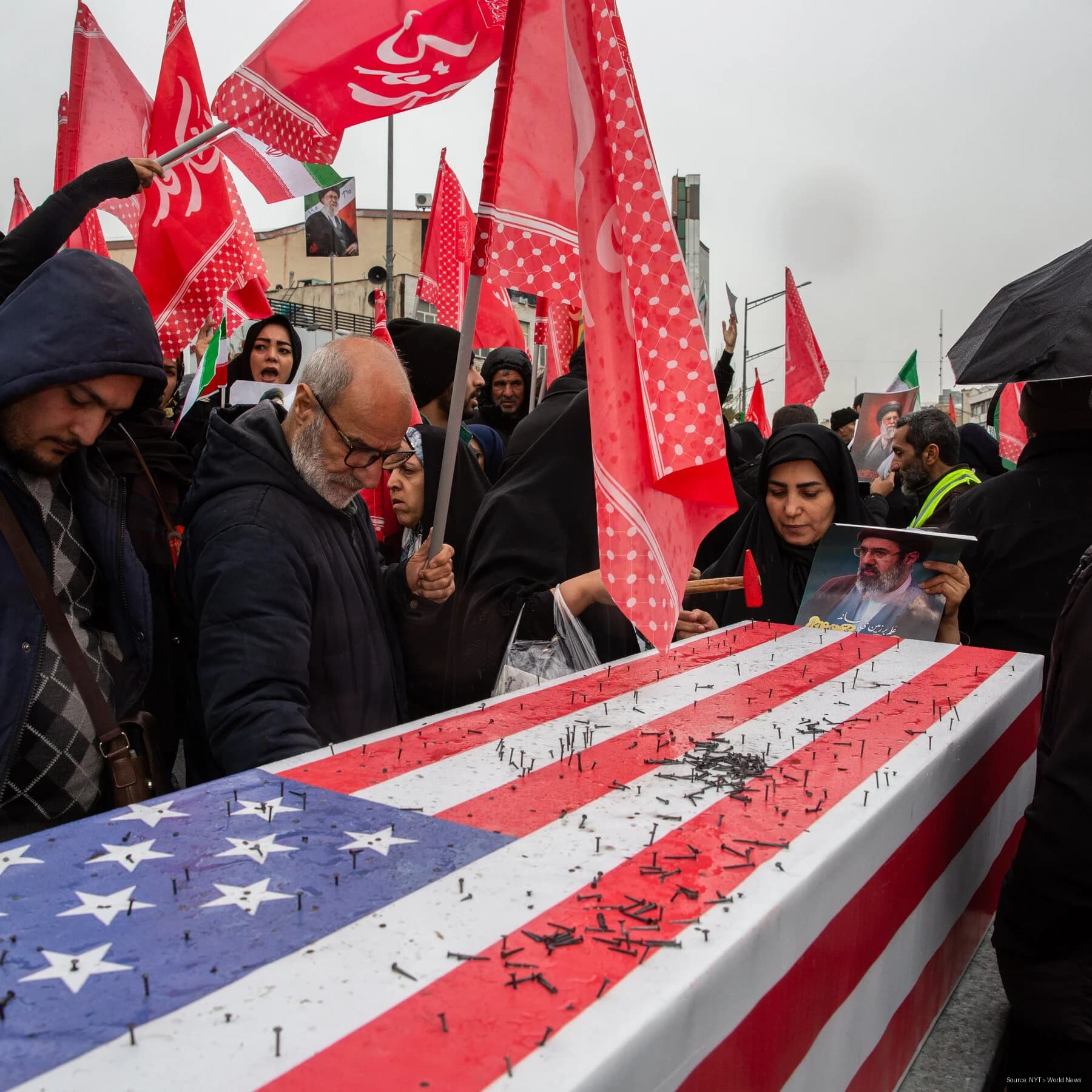
The complex and often volatile nature of US-Iran relations continues to shape geopolitical dynamics in the Middle East. Decades of mistrust, political upheaval, and strategic competition define a relationship marked by periods of intense confrontation and fleeting diplomatic efforts.
The Deep Roots of US-Iran Relations: From Alliance to Animosity
The foundation of modern discord often traces back to 1953, when a U.S.-backed coup d'état overthrew Iran's democratically elected Prime Minister Mohammad Mossadegh. This intervention installed the Shah, Mohammad Reza Pahlavi, solidifying American influence but also sowing deep-seated resentment among many Iranians.
Iran's 1979 Islamic Revolution fundamentally reshaped bilateral ties, transforming the pro-Western monarchy into an anti-American Islamic republic. The subsequent hostage crisis at the U.S. Embassy in Tehran, lasting 444 days, cemented a new era of animosity that persists today.
Escalating Tensions and the Nuclear Standoff
Throughout the 1980s, the U.S. initially provided support to Iraq during its devastating war with Iran, further deepening Iranian distrust. By the early 2000s, concerns over Iran's burgeoning nuclear program became a primary flashpoint, leading to international sanctions and heightened diplomatic pressure.
A brief period of de-escalation arrived with the 2015 Joint Comprehensive Plan of Action (JCPOA), a landmark nuclear deal between Iran and world powers, including the U.S. This agreement aimed to curb Iran's nuclear ambitions in exchange for sanctions relief.
However, the U.S. unilaterally withdrew from the JCPOA in 2018, reimposing stringent sanctions and reigniting tensions. Today, US-Iran relations remain fraught, characterized by proxy conflicts, naval incidents, and a constant threat of wider regional instability. Both nations continue to navigate a delicate balance, with the future of their interaction uncertain.
Reference: NYT > World News







Responses (0)