




Yemen's Houthi rebels have initiated direct assaults against Israel, marking a significant expansion of the ongoing regional conflict. These unprecedented actions immediately raise concerns regarding a heightened Red Sea shipping risk and the stability of critical maritime routes.
This new front in the month-long hostilities introduces a complex challenge for regional security. The Houthi movement's involvement signals a broadening scope for the conflict, impacting international trade and geopolitical dynamics.
Houthi Actions Escalate Red Sea Shipping Risk
Multiple reports confirm that the Houthi movement, based in Yemen, has launched drones and missiles aimed at Israeli territory. This marks their first direct engagement in the current Middle East crisis.
The group has publicly stated its intention to target Israel, citing solidarity with Palestinians and opposition to Israeli operations in Gaza. Their involvement introduces a new, unpredictable dimension to the already volatile situation. (according to Reuters)
Maritime Security and Global Trade Face New Red Sea Shipping Risk
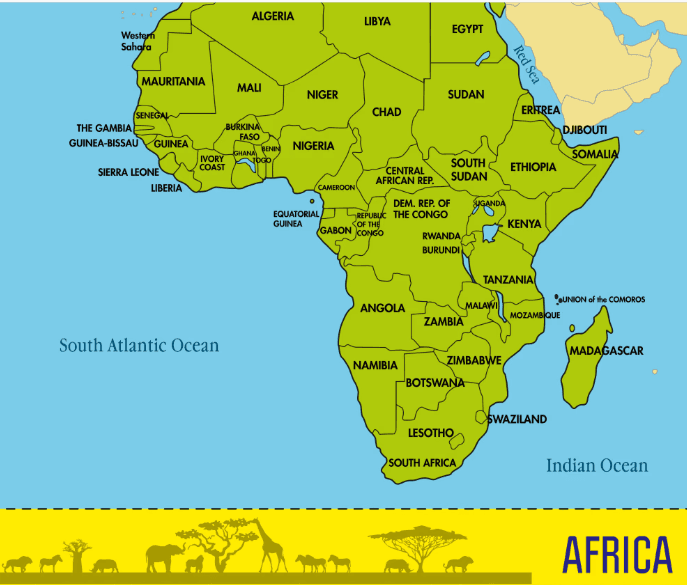
The Bab el-Mandeb Strait, a narrow chokepoint connecting the Red Sea to the Gulf of Aden, is vital for global commerce. Any disruption here could severely impact international trade flows, particularly oil and gas shipments. (according to BBC News)
While direct attacks on commercial vessels have not yet been reported in this specific context, the presence of Houthi weaponry in the region inherently poses a substantial Red Sea shipping risk. Shipping companies and naval forces are closely monitoring the situation for potential threats to maritime security.
Analysts suggest that these developments could force shipping lines to reconsider established routes, potentially leading to longer transit times and increased costs. The broader economic repercussions remain a significant concern for international markets and global supply chains.
Reference: Al Jazeera – Breaking News, World News and Video from Al Jazeera













Responses (0)