



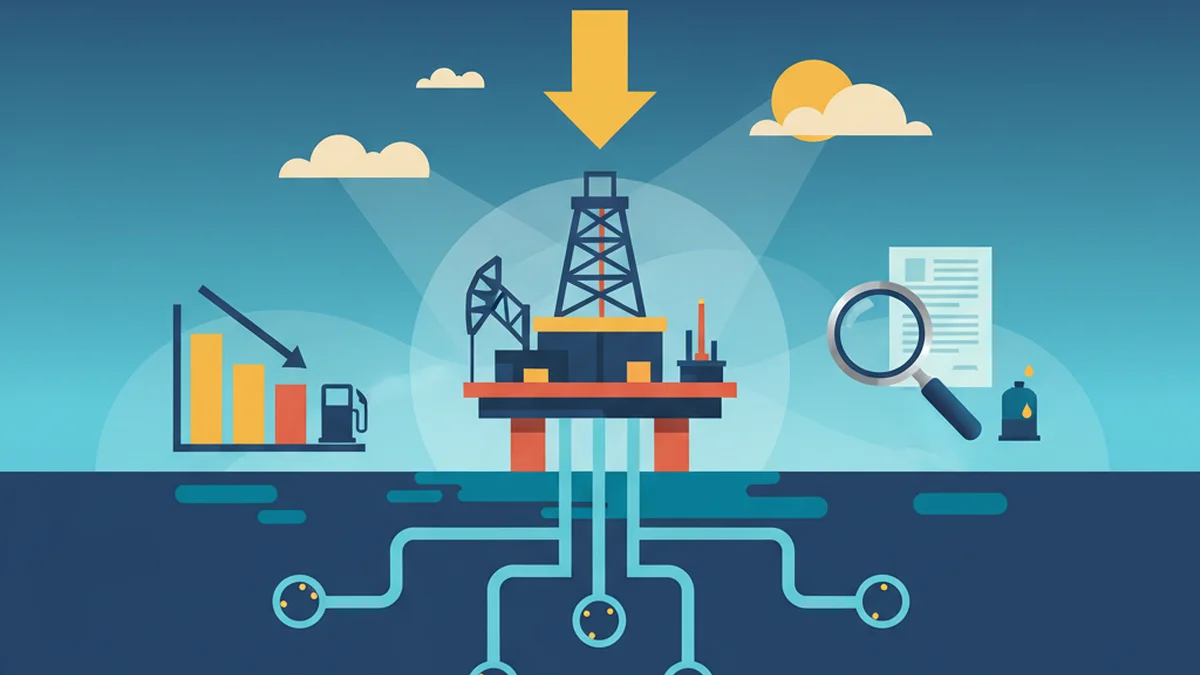
Hundreds of North Sea gas licenses awarded by the Conservative government since 2010 have generated a mere 36 days' worth of gas, according to a recent analysis. This finding casts significant doubt on previous claims that expanded drilling would bolster energy security and reduce household bills.
Questioning Energy Security Claims
The new research directly challenges the government's assertions that issuing more licenses for oil and gas extraction in the North Sea would significantly contribute to the nation's energy independence. Critics argue the output from these new projects has been negligible, failing to deliver on promised benefits.
The minimal production figures suggest that the long-term impact on domestic energy supply and consumer costs remains largely unfulfilled. This raises important questions about the effectiveness of the strategy and its alignment with climate goals. (according to Reuters)
The Analysis Behind the Figures
Research conducted by energy consultancy Voar, in collaboration with the campaign group Uplift, meticulously examined the output from licenses granted between 2010 and 2024. During this 14-year period, the government approved hundreds of new oil and gas licenses across seven distinct licensing rounds. (according to BBC News)
Despite the substantial number of new permits issued, the cumulative gas production from these specific projects amounts to only 36 days of the UK's overall gas consumption. This highlights a significant disparity between the number of licenses granted and the actual energy yield.
Reference: World news | The Guardian















Responses (0)