By: ABID SIDDIQUE CHAUDHRY
TWA
______
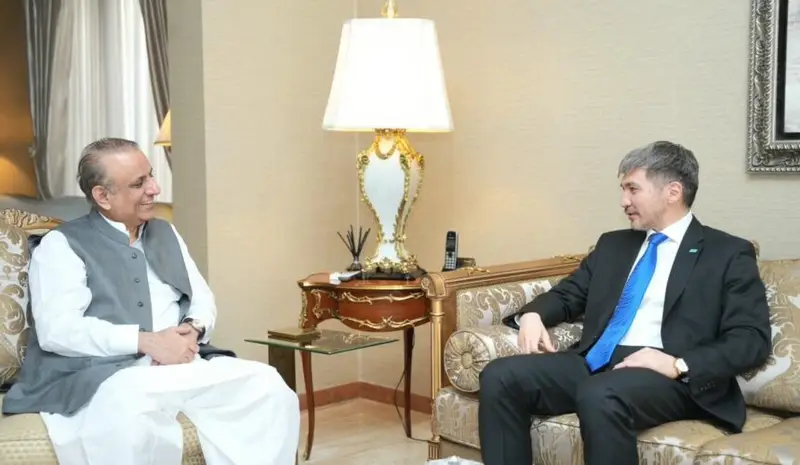
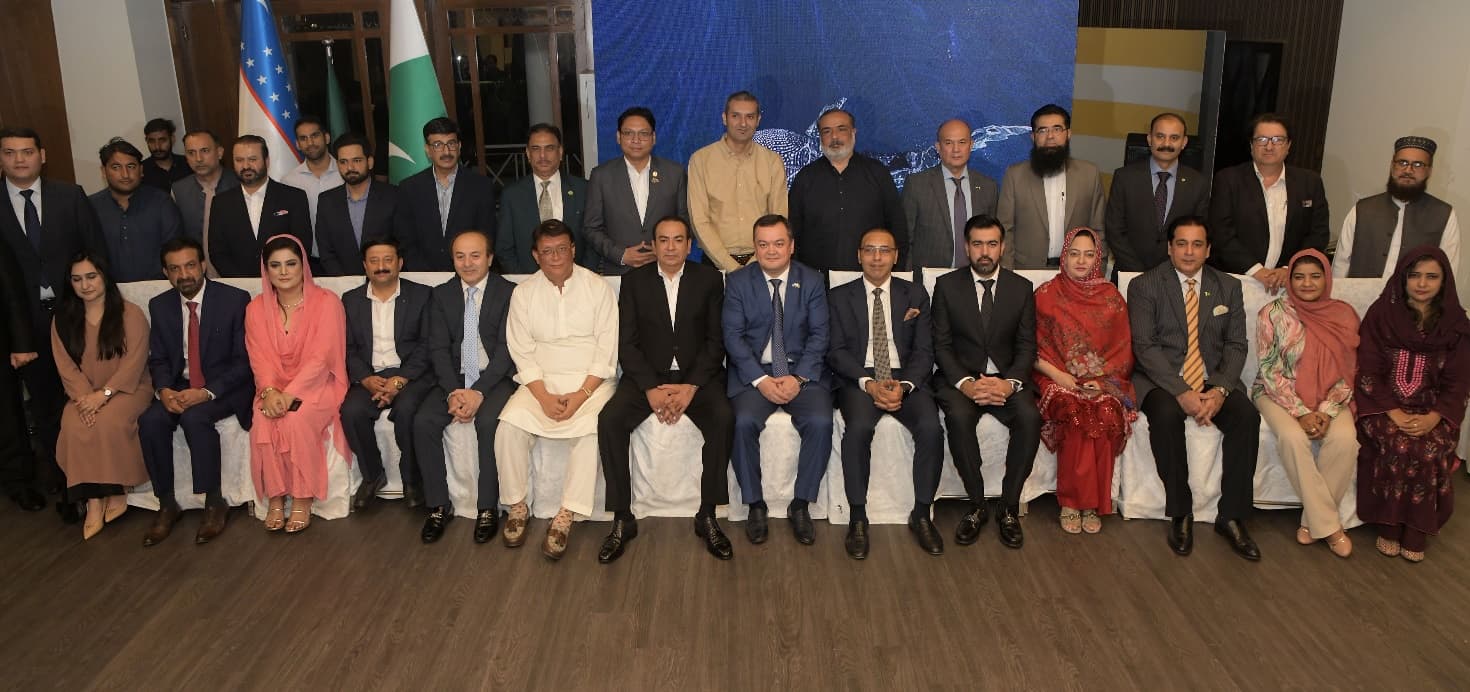
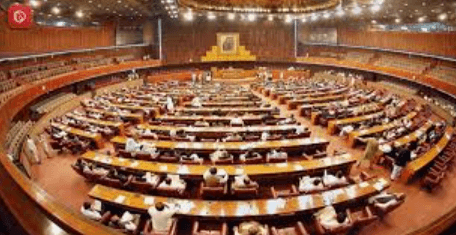
ISLAMABAD: In a pivotal meeting today at Pakistan’s Parliament House in Islamabad, Ms. Misbah Khar, Advisor to the Chairman Senate and Ambassador for the Inter-Parliamentary Speakers’ Conference (ISC), held a detailed discussion with Senator Husan Ermatov of the Senate of Uzbekistan. The dialogue focused on the growing diplomatic and economic cooperation between the two countries, with both sides expressing their strong commitment to furthering Pakistan-Uzbekistan relations.
Ms. Khar underscored Pakistan’s strong and enduring ties with Uzbekistan, emphasizing their shared cultural, religious, and historical bonds. She highlighted the positive trajectory of bilateral engagement, noting the importance of recent diplomatic milestones, particularly the visit of Prime Minister Muhammad Shehbaz Sharif to Tashkent. This visit opened new avenues of collaboration and resulted in the signing of multiple Memoranda of Understanding, the establishment of a High-Level Strategic Cooperation Council, and the adoption of a comprehensive roadmap with clear timelines for cooperation.
Parliamentary Cooperation as a Key Pillar
One of the focal points of the meeting was parliamentary cooperation. Ms. Khar highlighted that after the successful ISC hosted in Islamabad under the leadership of Chairman Senate Syed Yousaf Raza Gilani, parliamentary exchanges between the two nations have gained fresh momentum. Both sides recognized the importance of parliamentary engagement in fostering mutual understanding, institutional linkages, and capacity building, which are essential for strengthening the diplomatic relationship.
Expanding Trade and Economic Engagement
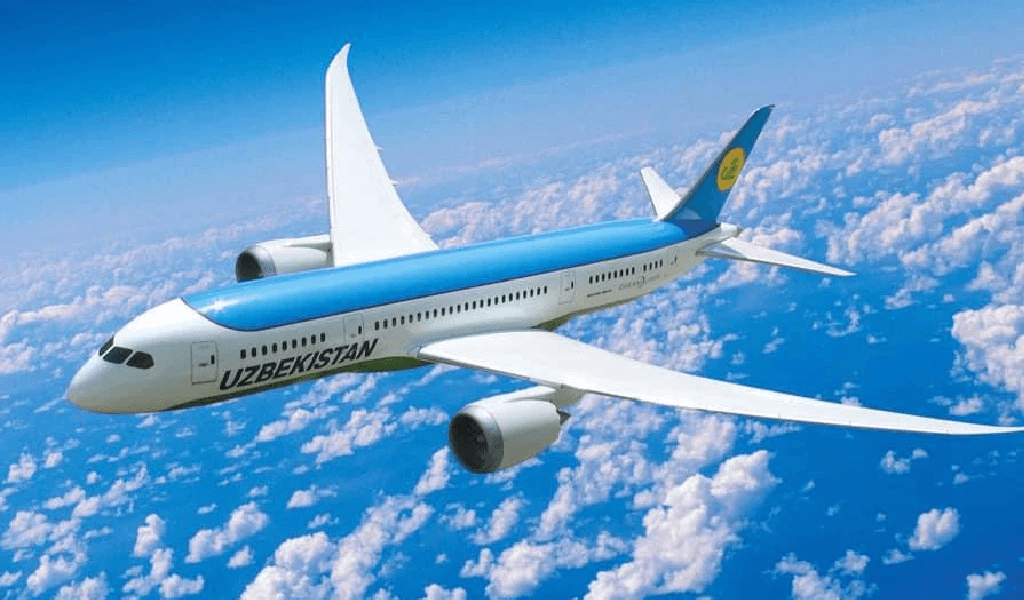
On the economic front, the two countries acknowledged the untapped potential for enhancing trade and investment. Ms. Khar pointed out that Pakistan’s youthful population, which constitutes nearly 60% of the country’s total population, presents a valuable asset for regional cooperation, including with Uzbekistan. Both parties expressed their shared goal of enhancing bilateral trade to $2 billion in the coming years, supported by improved air connectivity, including the resumption of direct flights. This connectivity is expected to catalyze stronger people-to-people and business-to-business links.
Additionally, regional connectivity initiatives such as the Trans-Afghan Railway Project and other multimodal transport corridors were underscored as critical to enhancing integration and shared prosperity within the region.
Both Ms. Khar and Senator Ermatov reiterated their commitment to continuing close collaboration across all sectors, from trade to regional integration. Both countries are determined to unlock the full potential of their bilateral relationship and build upon the progress already made in diplomatic, economic, and parliamentary cooperation.
Senator Ermatov also took the opportunity to congratulate Pakistan for the successful organization of the Inter-Parliamentary Speakers’ Conference and emphasized the significance of further strengthening bilateral ties. He conveyed the best wishes of the President of Uzbekistan to Chairman Senate Syed Yousaf Raza Gilani and the people of Pakistan.
Pakistan’s Role in Global Diplomacy and Regional Cooperation
Pakistan’s foreign policy emphasizes strong relationships with neighboring countries and global partners. The country plays a vital role in international organizations like the UN, OIC, and FAO, contributing to regional stability and global diplomacy. Pakistan’s active engagement with Uzbekistan is part of a broader strategy to enhance regional cooperation, focusing on trade, connectivity, and cultural exchange.
Pakistan and Uzbekistan?
Looking ahead, the Pakistan-Uzbekistan relationship is poised for continued growth. With both nations committing to expanding their cooperation, future diplomatic visits, enhanced trade deals, and the realization of regional projects like the Trans-Afghan Railway will be key to driving the relationship forward. The bilateral partnership holds significant promise for regional integration and long-term prosperity.