
ABID SIDDIQUE CHAUDHRY·
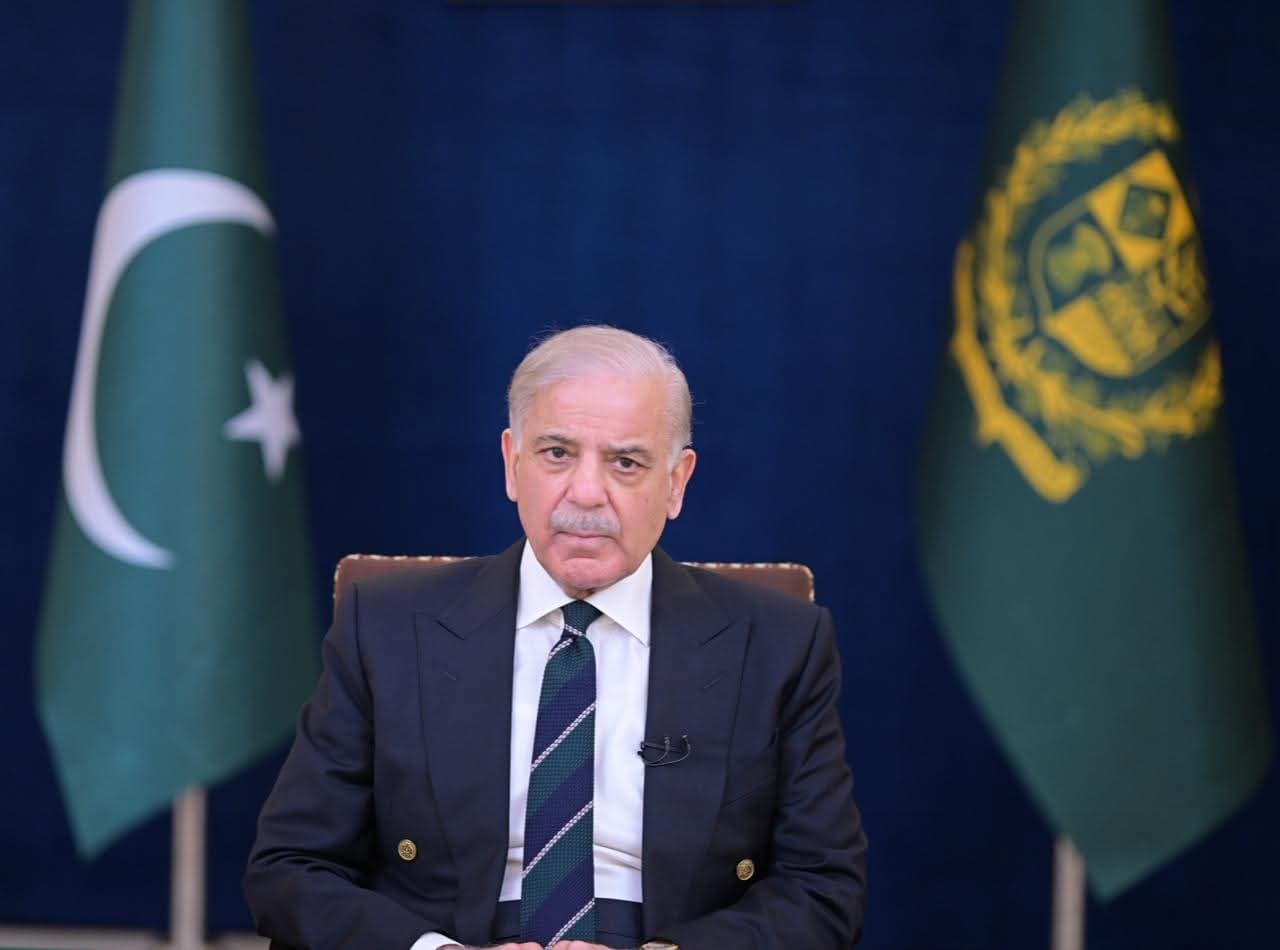
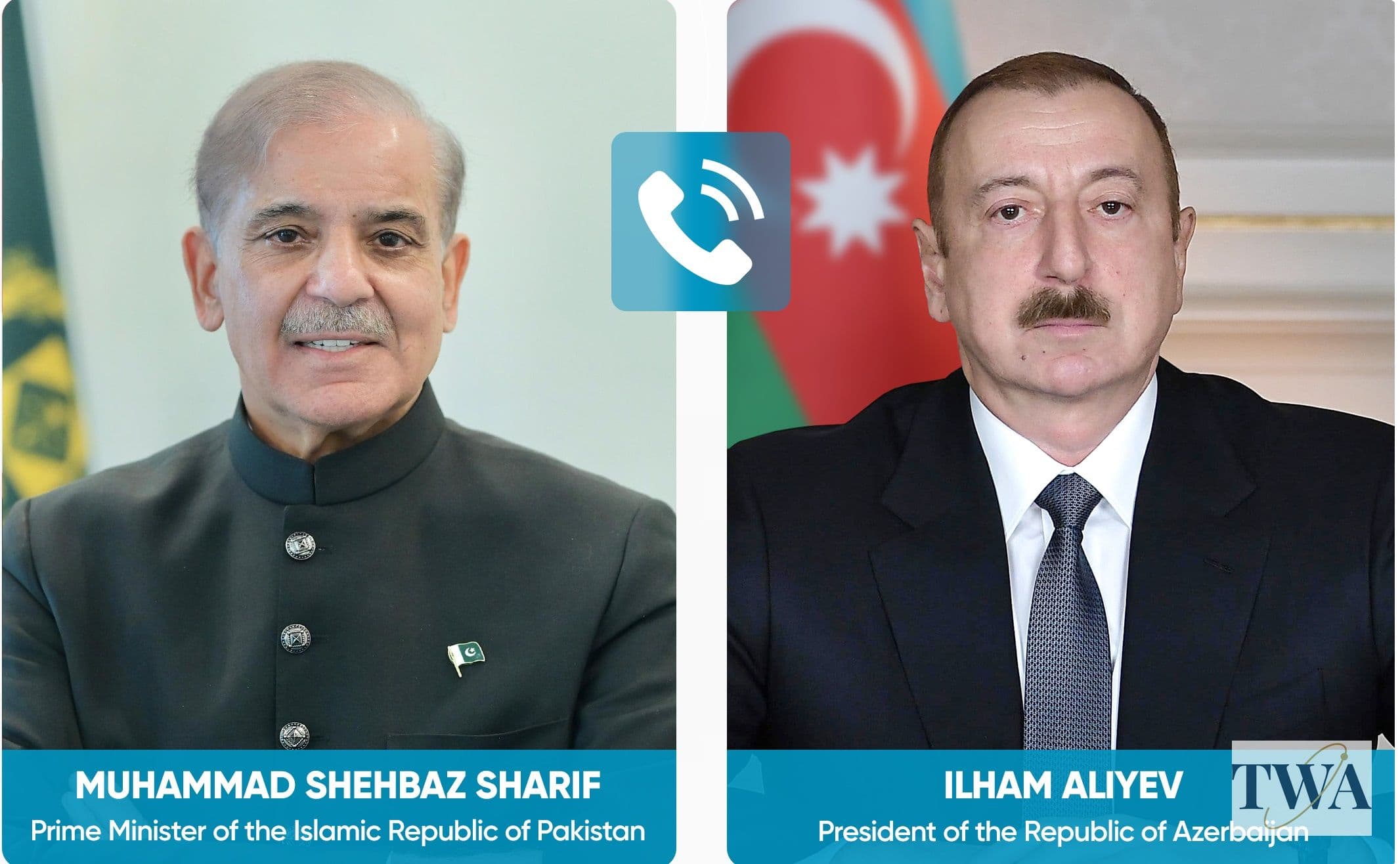
1 min readPrime Minister Shehbaz Sharif announces sweeping austerity and fuel-saving measures, including school closures, salary cuts for officials, and reduced government spending amid regional tensions.
Prime Minister Shehbaz Sharif announces sweeping austerity and fuel-saving measures, including school closures, salary cuts for officials, and reduced government spending amid regional tensions.



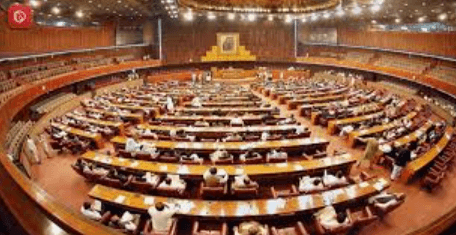
According to an official statement, Syed Yousaf Raza Gillani, Chairman of the Senate of Pakistan, held a telephone conversation with Sahiba Gafarova, Speaker of the National Assembly of Azerbaijan. During the call, the Azerbaijani side expressed sincere gratitude to the Pakistani Senate Chairman for conveying concern over the reported drone attacks on Nakhchivan Autonomous Republic.
UAE Ambassador Salem Mohammed Al Zaabi and Minister Attaullah Tarar celebrate the conclusion of the UAE Ramadan Football Cup in Islamabad.
UAE Ambassador Salem Mohammed Al Zaabi and Minister Attaullah Tarar celebrate the conclusion of the UAE Ramadan Football Cup in Islamabad.
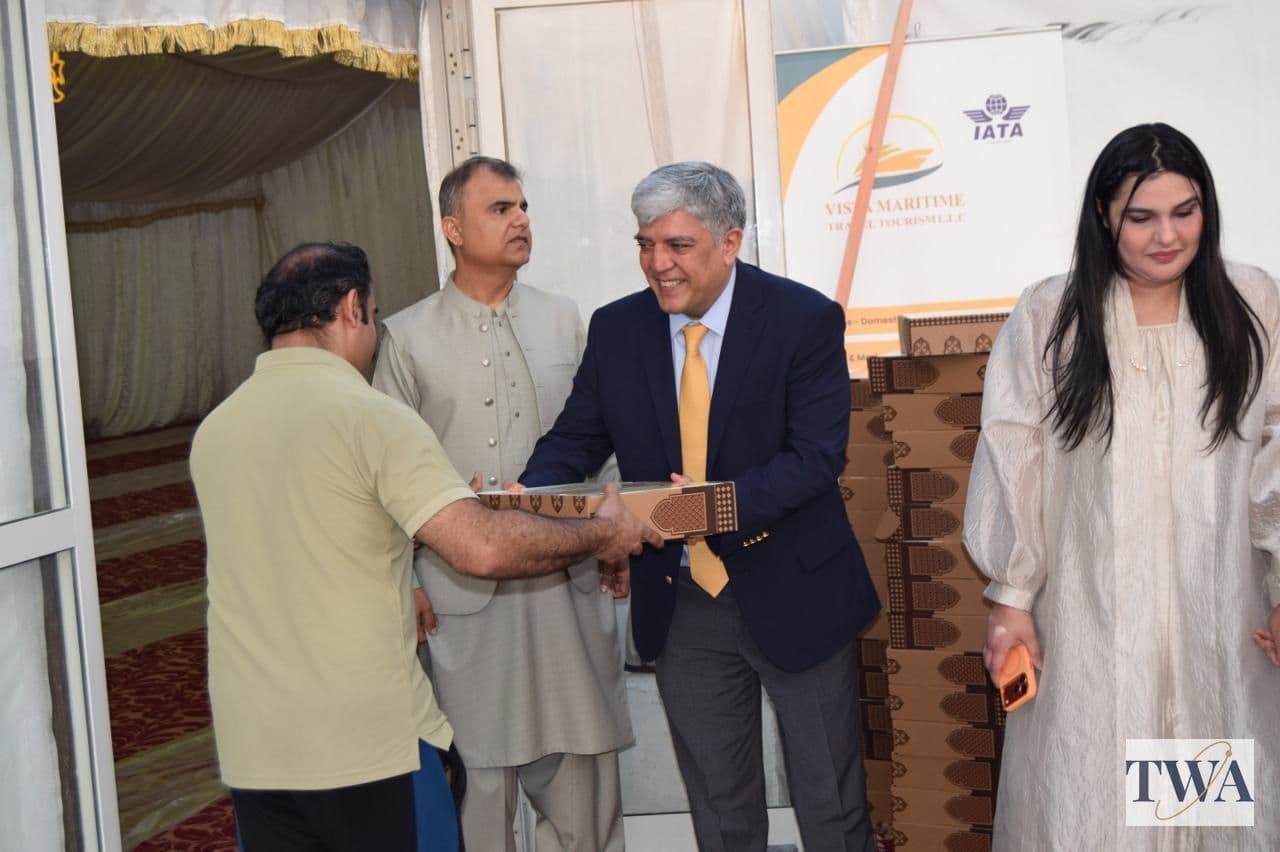
Ambassador Shafqat Ali Khan visits Vista Maritime's Ramadan Iftar tent at Port Rashid, Dubai, highlighting community welfare and Pakistani business contributions.
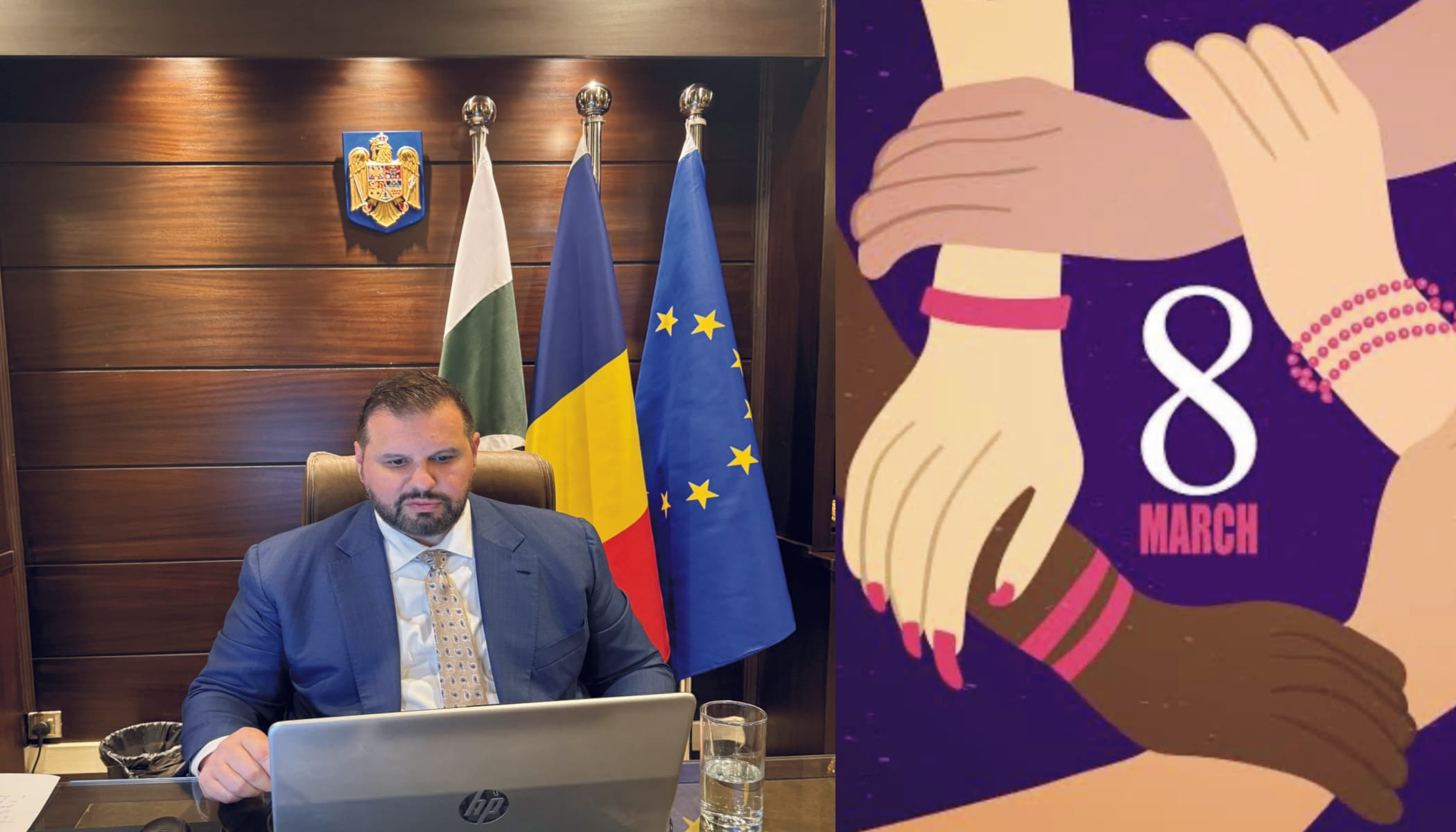
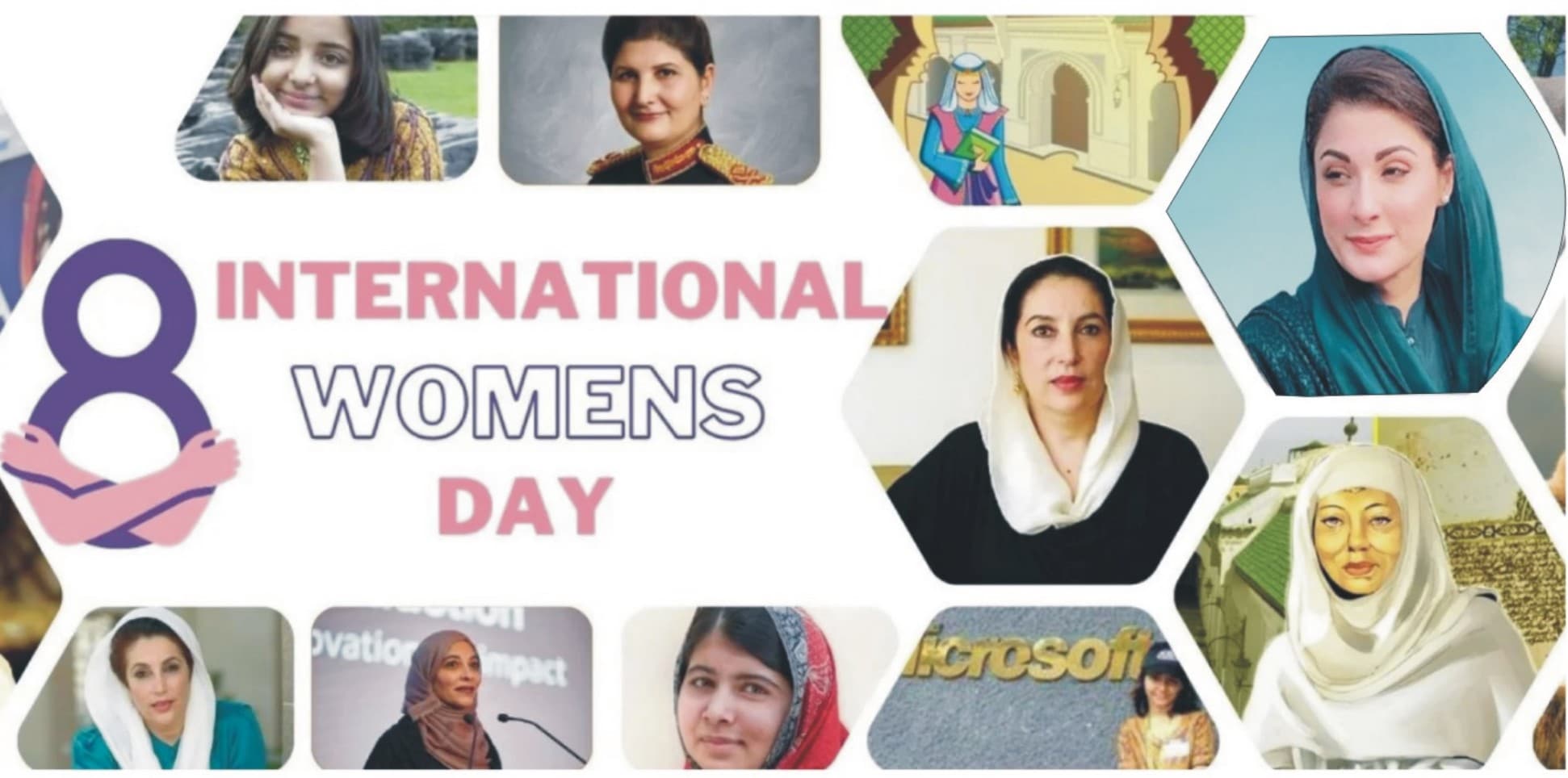
In a special message, Romania’s Ambassador to Pakistan, Dan Stoenescu, expressed his heartfelt admiration for Pakistani women and their remarkable role in shaping the country’s future. He noted that from the bustling streets of Karachi and Lahore to the serene valleys of northern Pakistan, women continue to inspire with their courage, resilience, and unwavering determination.
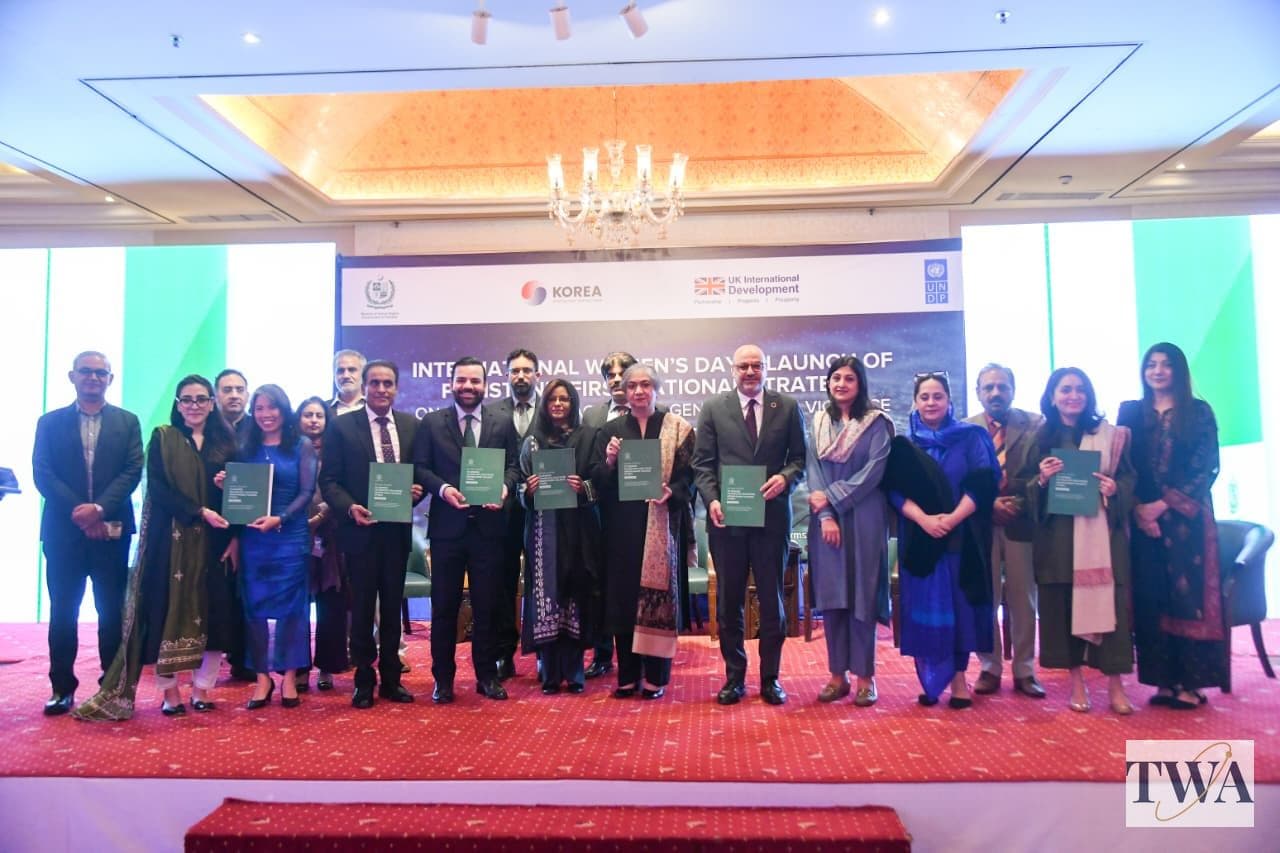
Ministry of Human Rights Pakistan, in collaboration with the United Nations Development Programme, has launched Pakistan’s first National Strategy on Technology-Facilitated Gender-Based Violence (TFGBV) during a ceremony in Islamabad. The initiative marks a major step toward building a coordinated, survivor-centred and rights-based response to online abuse targeting women and girls.