

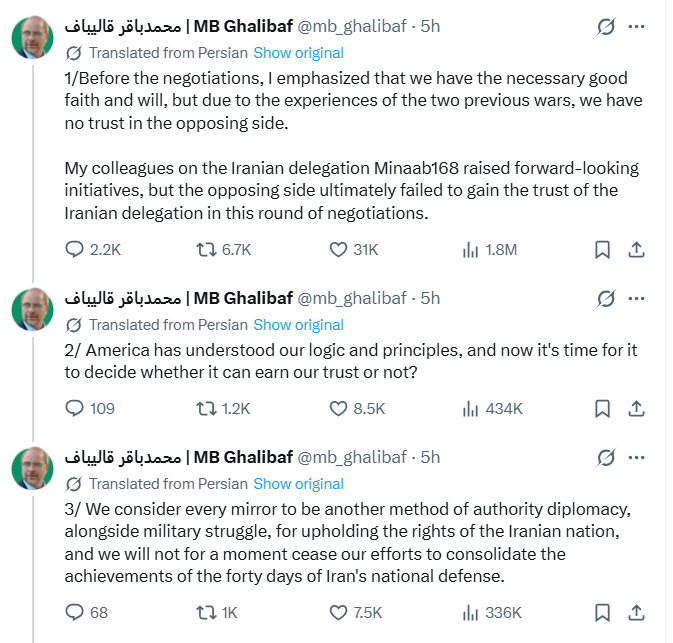
ISLAMABAD — Following intense diplomatic sessions in the Pakistani capital, the Iranian delegation has signaled a significant trust deficit regarding the United States. Iranian officials emphasized that while they entered the Islamabad negotiations with "good faith and will," the shadows of two previous conflicts have left Tehran skeptical of American commitments.
The statement, issued on the heels of the latest round of mediation, underscores the fragile nature of the current peace process. Despite forward-looking initiatives presented by the Iranian team, including those from the Minaab168 delegation, the opposing side has reportedly failed to bridge the gap of mistrust.
Authority Diplomacy and National Defense
Tehran has framed its approach as "authority diplomacy," a strategy that mirrors its military strength. Officials made it clear that diplomatic engagement is not a sign of weakness but a method to uphold the rights of the Iranian nation.
Key pillars of Iran’s current stance include:
Consolidation of Gains: A refusal to compromise on the achievements made during the recent forty days of national defense.
Dual-Track Strategy: Maintaining military readiness alongside active diplomatic struggle.
Sovereignty: Ensuring that any agreement aligns with the logic and principles understood by Washington during the talks.
The Role of Pakistan and the Path Forward
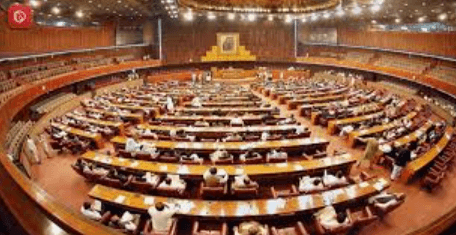
The Iranian leadership expressed deep gratitude toward Pakistan for its role as a "friendly and brotherly country" in facilitating the dialogue. By hosting these talks, Islamabad has positioned itself as a central mediator in the escalating Middle East crisis.
However, the ball remains in Washington's court. "America has understood our logic," the Iranian statement noted, "and now it's time for it to decide whether it can earn our trust or not." Without a clear signal from the United States, the momentum gained in Islamabad remains at risk of stalling.










جوابات (0)