


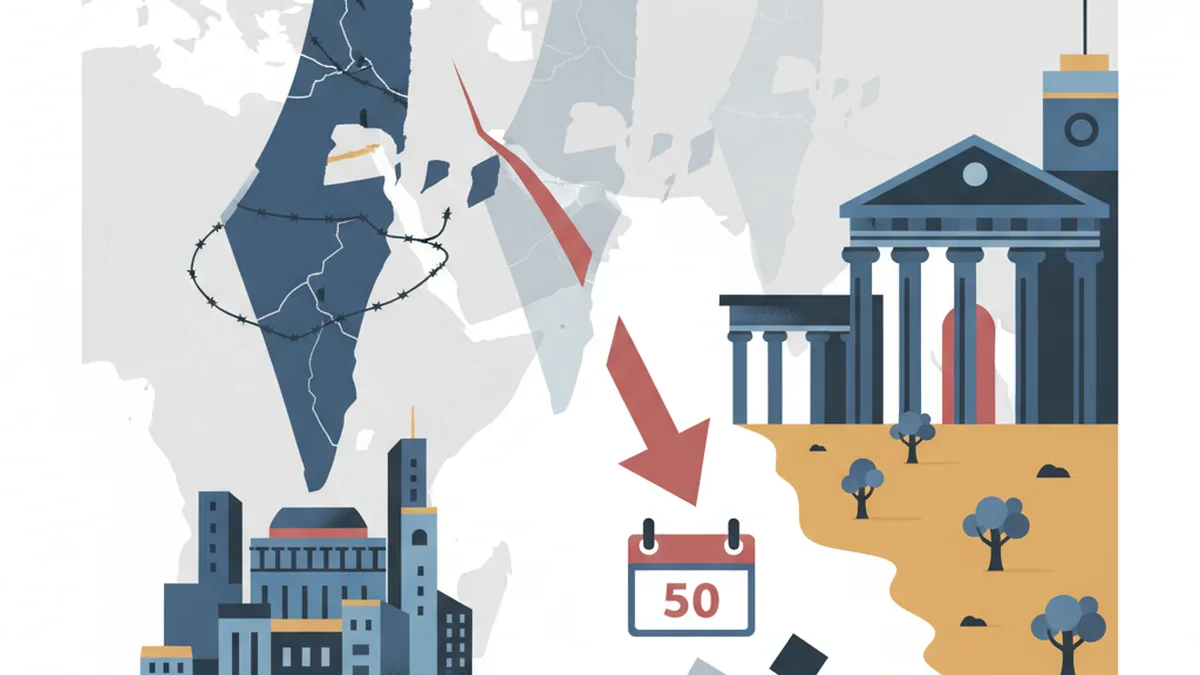
Fifty years after the original Land Day protests, communities across the region continue to grapple with extensive Palestinian land loss. This enduring challenge is characterized by a persistent pattern of illegal settlement expansion, direct land seizures, and severe restrictions on access to traditional territories.
Understanding the Dynamics of Palestinian Land Loss
Illegal Israeli settlement expansions represent a primary factor in the ongoing reduction of Palestinian-owned areas. These developments frequently encroach upon private and communal lands, fundamentally altering the demographic and geographic landscape of the West Bank and East Jerusalem.
Beyond the growth of settlements, outright land confiscations are also common. These actions, often coupled with a complex array of administrative and military restrictions, severely limit the ability of Palestinian farmers and residents to reach, cultivate, or develop their own properties.
Impact on Communities and Livelihoods
The cumulative effect of these policies profoundly impacts Palestinian communities, leading to significant socio-economic hardship. Families face displacement, a loss of agricultural resources, and a diminished capacity to sustain traditional livelihoods that are deeply tied to the land. (according to Politico)
Access restrictions, including checkpoints, permit requirements, and segregated road networks, further fragment communities. This isolation makes daily life challenging, hindering access to essential services, markets, and agricultural holdings, thereby exacerbating the impact of Palestinian land loss. (according to BBC News)
As the 50th anniversary of Land Day is observed, the international community frequently highlights the humanitarian and political ramifications of these ongoing actions. Calls persist for a resolution that upholds international law and respects the fundamental rights of Palestinians to their land.
Reference: Al Jazeera – Breaking News, World News and Video from Al Jazeera














جوابات (0)