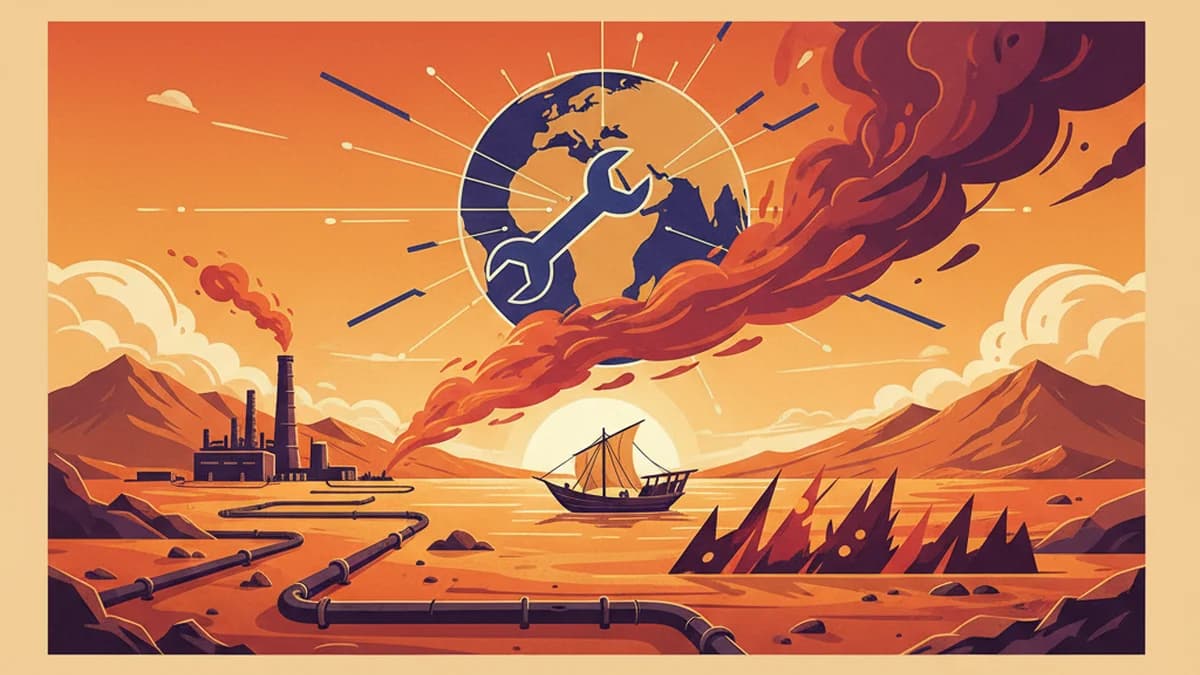
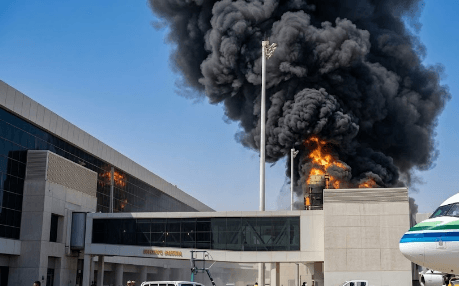
An Iranian military action targeting Qatar’s vital Ras Laffan gas facility is poised to significantly disrupt global energy markets, directly impacting Qatar gas supply. This strike is projected to reduce Qatar’s Liquefied Natural Gas (LNG) exports by approximately 17%, with the tensions" title="Markets Brace for Global Supply Disruption Amid Iran Tensions">disruption anticipated to last between three and five years.
Significant Impact on Global Energy Markets
The targeted Ras Laffan facility stands as a cornerstone of Qatar's extensive energy infrastructure, responsible for a substantial portion of its LNG production. A 17% reduction in output from this key hub will inevitably send ripples through international energy exchanges, raising concerns about the stability of the global energy landscape.
Analysts anticipate that the prolonged disruption, projected for three to five years, will create sustained pressure on global natural gas prices. Nations heavily reliant on Qatari LNG will likely seek alternative sources, potentially straining an already volatile market and driving up costs for consumers worldwide. (according to Lonely Planet)
Geopolitical Ramifications and Future Outlook
Qatar holds a position as one of the world's leading exporters of Liquefied Natural Gas, playing a critical role in meeting global energy demands. This direct attack by Iran introduces a new layer of geopolitical instability to the crucial Middle Eastern energy corridor, exacerbating existing tensions. (according to National Geographic Travel)
The incident raises serious questions about the security of critical energy infrastructure in the region, prompting calls for heightened international oversight. International bodies are expected to monitor the situation closely as the long-term consequences for Qatar gas supply and overall global energy security unfold.
Reference: Al Jazeera – Breaking News, World News and Video from Al Jazeera











جوابات (0)